pump selection

Pumps

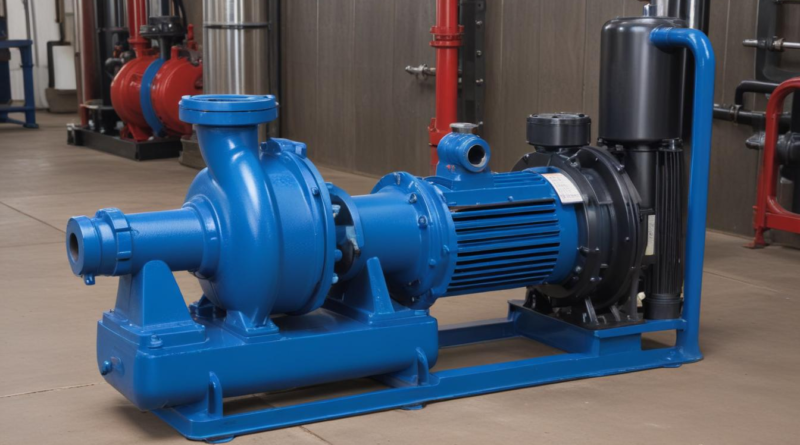
how to choose a pump based on flow variability

Flow variability—the fluctuation in fluid movement rates within a system—is pivotal in selecting the right pump. Different pump types are engineered to handle varying flow conditions with distinct levels of efficiency and reliability. By analyzing factors such as operational demand, supply variations, and system design, professionals can ensure optimal pump performance and system longevity. Understanding flow variability is essential for enhancing efficiency and maintaining stability in diverse operational environments.

Read More
Pumps

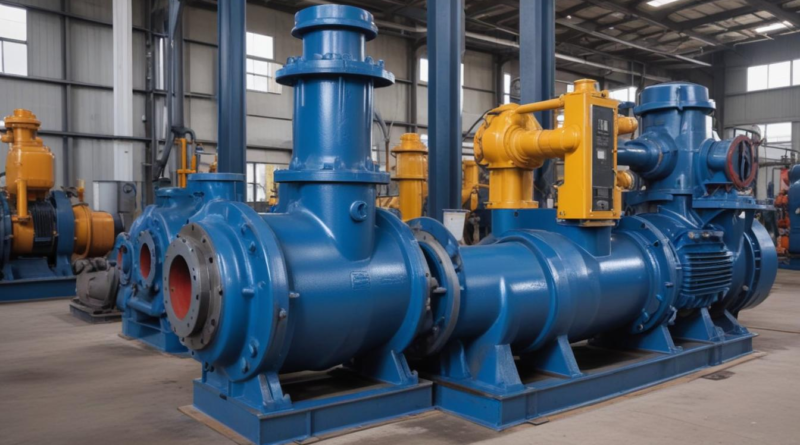
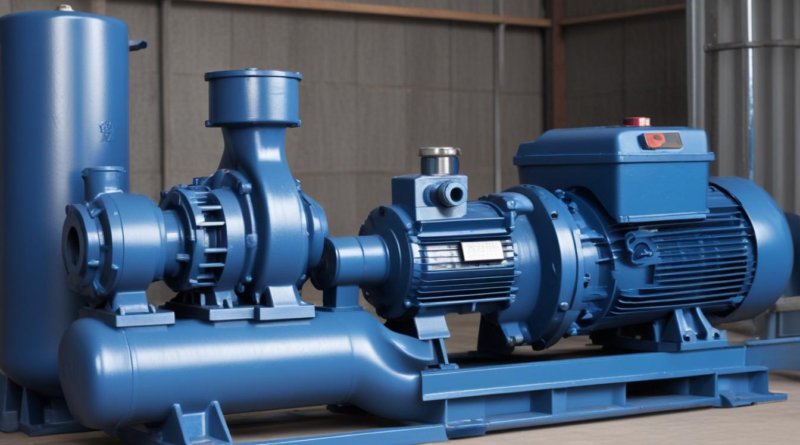
how to choose a pump based on installation space

Selecting the right pump starts with a comprehensive evaluation of the installation space. Key factors include physical dimensions, clearance, accessibility, environmental conditions, and utility connections. Assessing these elements ensures the pump fits seamlessly, operates efficiently, and allows for easy maintenance. Additionally, choosing the appropriate mounting options and pump type based on space and operational requirements enhances performance and reliability. This meticulous approach optimizes both functionality and spatial utilization for any project.

Read More
Pumps

how to select a pump based on total dynamic head

Total Dynamic Head (TDH) is essential for determining a pump’s performance and suitability in various applications. It quantifies the energy required to move fluids by accounting for static lift, friction losses, and pressure head. Accurate TDH calculation ensures optimal pump selection, enhancing efficiency and reducing energy consumption. Understanding factors like elevation difference, pipe characteristics, and fluid properties is crucial for matching the right pump type to specific system requirements. Mastering TDH principles leads to reliable and efficient pumping solutions tailored to diverse operational needs.

Read More
Pumps

how to choose a pump based on installation ease

Selecting the optimal pump requires a thorough evaluation of installation requirements to ensure ease and efficiency. Key factors include assessing space availability, environmental conditions, and load capacity to match operational needs. Compatibility with existing plumbing and electrical systems is crucial, alongside adherence to regulatory standards for safety and compliance. Accessibility for maintenance, including clear access paths and modular designs, enhances long-term reliability and reduces downtime. By systematically addressing these criteria, the pump selection process becomes streamlined, facilitating seamless integration and sustained performance of the pumping system.

Read More
Pumps

how to choose a pump based on control options

Choosing the right pump controls and types is essential for optimal performance and energy efficiency. Explore various control options like On/Off, Variable Frequency Drives, and Pressure Control, and discover how different pump types—such as centrifugal, positive displacement, and submersible—align with specific system requirements. Assess key criteria including flow rate, pressure, fluid characteristics, and energy consumption to enhance system reliability and sustainability.

Read More
Pumps

how to choose a pump based on fluid properties

Choosing the right pump depends on understanding key fluid properties like viscosity, density, temperature, corrosiveness, and solid content. These factors influence pump efficiency, material selection, and design requirements, ensuring optimal performance and reliability. Different pump types, such as positive displacement and centrifugal pumps, are tailored to handle specific fluid conditions, enhancing operational efficiency and longevity across various industrial applications. Proper pump selection maximizes energy efficiency and minimizes maintenance needs by aligning pump capabilities with the unique demands of each fluid handling scenario.

Read More
Pumps

how to choose a pump based on environmental factors

Selecting the right pump requires a comprehensive evaluation of environmental conditions to ensure optimal performance and longevity. Key factors include temperature ranges, humidity levels, exposure to corrosive substances, altitude, and noise considerations. Additionally, choosing appropriate materials, enhancing energy efficiency, determining optimal installation locations, and implementing effective maintenance strategies are crucial for reliable and efficient pump operation in diverse settings.

Read More
Pumps

choosing the right pump for your needs

Selecting the ideal pump involves exploring various types—centrifugal, submersible, diaphragm, jet, and gear—and their distinct applications. Essential factors include flow rate, total dynamic head, energy efficiency, durability, maintenance, and cost. Mastering these aspects ensures efficient, reliable performance tailored to specific needs and environments.

Read More
Pumps

how to choose a pump based on reliability and uptime

Pump reliability is essential for maintaining operational efficiency and minimizing downtime. Key factors include mean time between failures, build quality, design specifications, and manufacturer reputation. Aligning uptime requirements with specific application needs and selecting the appropriate pump technology further ensure sustained performance. Additionally, effective maintenance strategies and choosing a dependable vendor are crucial for system reliability and operational continuity. Understanding these critical criteria supports informed pump selection and fosters long-term operational success.

Read More
Pumps

how to choose a pump based on power consumption

Selecting the appropriate pump hinges on understanding key requirements such as flow rate, head pressure, fluid properties, and the operational environment. Evaluating factors like duty cycle and energy efficiency ensures optimal performance and cost-effectiveness. Different pump types, including centrifugal, positive displacement, and submersible, offer unique advantages tailored to various applications. Additionally, assessing power consumption and efficiency can lead to significant energy savings and sustainable operations. A comprehensive approach to pump selection balances technical needs with economic considerations, fostering long-term reliability and efficiency in pumping systems.

Read More