
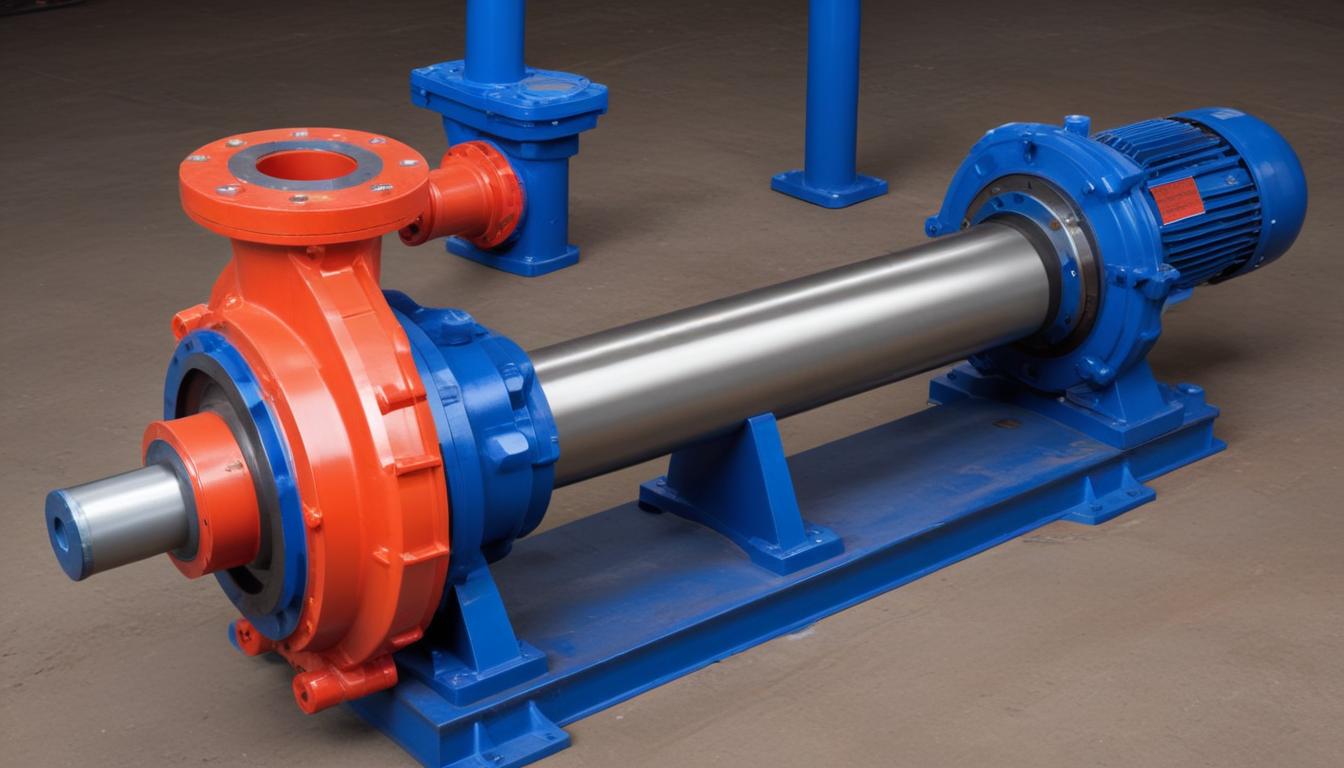
Importance of alignment in progressive cavity pump installation
Achieving proper alignment during the installation of progressive cavity pumps is critical to the optimal performance and longevity of the equipment. Misalignment can lead to various operational issues, including increased wear and tear, reduced efficiency, and potential failures. The significance of alignment cannot be overstated, as even small misalignments can have detrimental effects on the pump’s operation.
The primary purpose of alignment in progressive cavity pump installation is to ensure that the pump shaft and the driver shaft are perfectly aligned. This precision prevents vibrations, which can compromise the integrity of the pump and the entire system. In addition, proper alignment minimizes the risk of mechanical seal failures and extends the overall service life of the pump components.
Furthermore, correct alignment aids in maintaining the designed flow rate and pressure, ensuring that the pump operates efficiently. Unaligned pumps may require more energy to function, leading to unnecessary costs and energy waste. By ensuring proper installation alignment, operators can thus enhance operational efficiency, saving on energy bills and prolonging service intervals.
To summarize, the significance of alignment in progressive cavity pump installation is profound, influencing both performance and reliability. A commitment to achieving precise alignment should be a foundational practice for engineers and pump users involved in the installation and maintenance of these systems.
Effects of Misalignment on Pump Performance
Misalignment in progressive cavity pumps can have severe consequences that directly affect operational performance and efficiency. When the pump and driver shafts are not aligned properly, multiple issues may arise, leading to reduced reliability and unexpected operational disturbances.
One of the most immediate effects of misalignment is increased wear on essential components. As the pump operates under misaligned conditions, it creates uneven stress on the rotor and stator, resulting in accelerated wear. This can lead to premature failure of these critical parts, necessitating more frequent repairs and replacements, which can be costly and time-consuming.
Misalignment can also cause a significant uptick in energy consumption. An unaligned pump often requires greater torque from the driver to maintain the desired flow rate, which translates to higher energy bills. In industrial settings where many pumps operate simultaneously, this inefficiency can lead to substantial operational costs over time.
Additionally, vibrations resulting from misalignment can cause mechanical instability. Regular exposure to excessive vibrations can damage nearby equipment, leading to a cascading effect of failures throughout the system. This situation often manifests as noise issues, which can be a clear indicator of underlying alignment problems.
Another critical aspect of misalignment is its impact on the pump’s performance metrics, such as flow rate and pressure. Inconsistent alignment can disrupt the pump’s hydraulic performance, leading to fluctuations in output that hinder the overall efficiency of the system. Operators may find it difficult to maintain the designed flow rates, ultimately affecting production processes.
The following table summarizes the effects of misalignment on pump performance:
| Effect | Description |
|---|---|
| Increased Wear | Accelerated degradation of rotor and stator due to uneven stress. |
| Higher Energy Consumption | Greater torque requirement leads to increased operational costs. |
| Vibration Issues | Leads to structural damage to the pump and surrounding equipment. |
| Performance Fluctuations | Inconsistent output can disrupt production and efficiency. |
The effects of misalignment in progressive cavity pump installation extend beyond immediate inconvenience, leading to long-term operational inefficiencies, increased costs, and reduced system reliability. Addressing alignment issues proactively is essential for sustaining optimal performance and ensuring the longevity of pump installations.
Best Practices for Achieving Proper Alignment
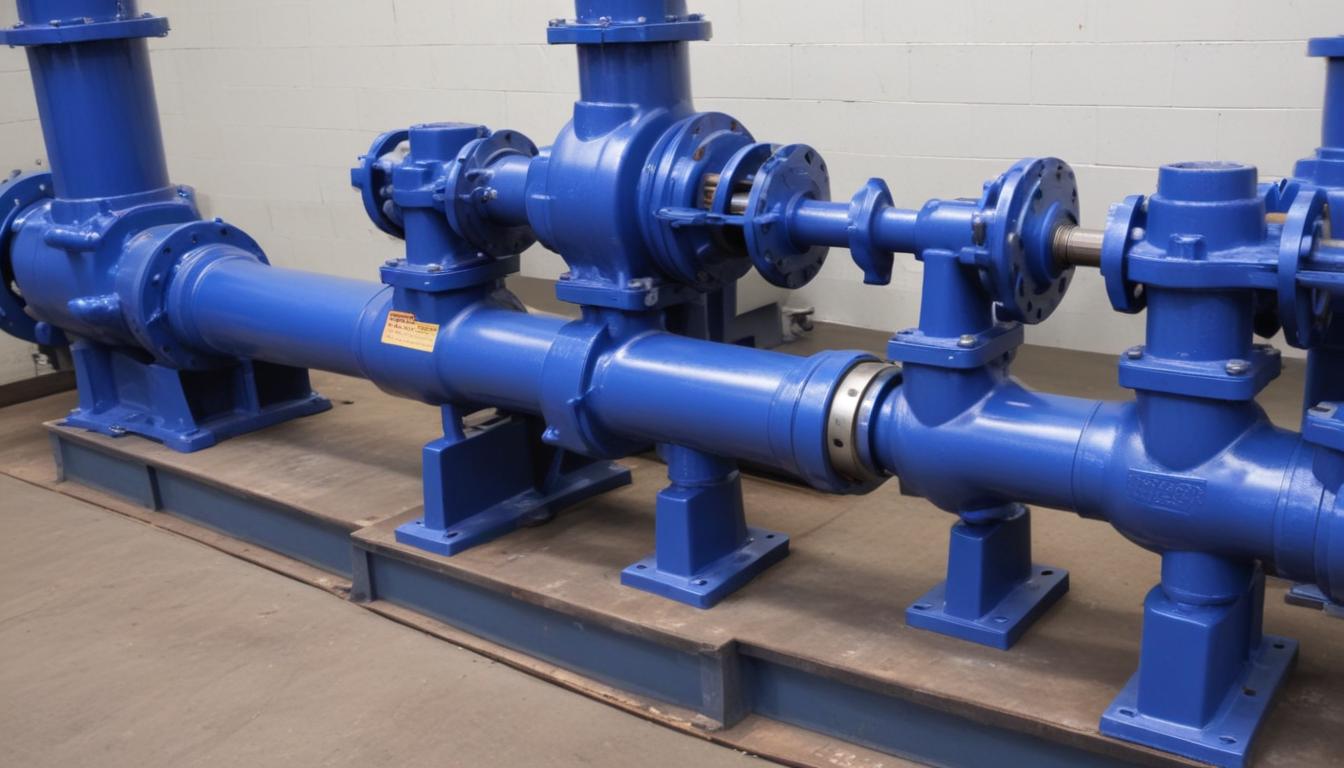
To achieve proper alignment during the installation of progressive cavity pumps, several best practices should be employed to ensure that the pump operates efficiently and reliably over its intended lifespan. These practices focus on meticulous planning, precise measurements, and adherence to industry standards to guarantee that the alignment is optimal from the outset.
First and foremost, it is essential to establish a solid and level foundation for both the pump and its driver. This involves ensuring that the mounting surfaces are flat and free from debris, which can obstruct proper contact. Every installation should begin with a thorough examination of the baseplate and any mounting brackets, confirming that they are secure and aligned. A misaligned base can cause significant issues downstream, so addressing this step is vital.
Next, utilizing high-quality alignment tools is crucial. Employing instruments such as laser alignment systems or dial indicators can increase accuracy significantly over manual methods. Laser systems, in particular, allow for real-time data collection and visualization, making them a popular choice among engineers. The precision offered by these tools minimizes the risk of human error and enhances the overall alignment accuracy.
It’s also important to carry out multiple measurements from different angles to verify the alignment. Taking measurements at various points can help identify any misalignment that may not be evident from a single point of analysis. This step ensures that the alignment is verified comprehensively, reducing the likelihood of overlooking subtle discrepancies that could affect the pump’s performance.
During the alignment process, care must be taken to adjust the pump and motor in small increments. Operators should perform shimming or adjusting the height of the equipment gradually to avoid shocking the system. It is advisable to work within a tolerance level that aligns with the manufacturer’s specifications, typically within a few thousandths of an inch, to prevent undue stress on components.
Furthermore, once alignment is completed, it is essential to conduct a dynamic check while the pump is operating. This assessment helps to identify any changes that may occur during the operational phase, ensuring that the alignment remains within specified limits. Regular dynamic checks are part of best practices for ongoing maintenance and can help preemptively address any emerging issues.
Lastly, keeping detailed records of the alignment results and any adjustments made can greatly benefit future maintenance and troubleshooting efforts. Creating a log that includes alignment measurements, tools used, and any issues encountered provides a valuable reference for ongoing service and can assist in resolving similar issues in subsequent installations.
In summary, employing these best practices during the installation of progressive cavity pumps plays a significant role in achieving proper alignment. It ensures efficiency, reduces wear, enhances performance, and extends the overall service life of the equipment. By prioritizing these methods, engineers and pump users alike can maximize the reliability and effectiveness of their pumping systems.
Tools and Techniques for Alignment Measurement
Accurate measurement of alignment is paramount in the successful installation of progressive cavity pumps. Utilizing the right tools and techniques can greatly enhance the precision of alignment, ultimately leading to improved pump performance and a reduction in maintenance requirements. The following techniques are widely recognized for their effectiveness in achieving and verifying alignment.
Laser Alignment Systems are considered the gold standard for measuring alignment in rotating equipment. These systems employ laser beams to obtain precise measurements of the shaft positions, allowing for quick adjustments without the need for multiple iterations. Laser alignment systems provide real-time feedback, enabling engineers to visualize the alignment conditions and make necessary corrections on the fly. This technology significantly decreases the margin for error compared to traditional methods.
Dial Indicators present another reliable option for alignment measurement. These mechanical devices can accurately gauge the distance between various points on the pump and driver shafts. By rotating the shafts and noting the indicator readings, technicians can determine any misalignment present and adjust accordingly. While not as quick as laser systems, dial indicators are highly effective for specific situations where laser tools may not be practical.
Other useful tools include straight edges and feeler gauges. A straight edge can be placed across the shafts to visually assess alignment by observing light gaps formed between the straight edge and the shafts. Feeler gauges, on the other hand, can be used to measure gaps where the straight edge does not make contact, giving a more detailed insight into the extent of misalignment. Although these methods require more manual effort and may be less precise than advanced systems, they remain valuable in troubleshooting scenarios.
Measurement techniques should also incorporate a methodical approach by taking measurements at multiple points around the pump and motor. This practice ensures a comprehensive understanding of the alignment status and highlights any inconsistencies that may not be immediately apparent. Typically, measurements should be taken both vertically and horizontally to provide a complete profile of the alignment.
To facilitate a systematic alignment process, alignment software can be utilized. Many modern alignment systems come equipped with software that helps process and display measurement data, offering recommendations for adjustments based on the data collected. This function can simplify the decision-making process while ensuring that adjustments adhere to the specified tolerances of the progressive cavity pump.
Regular monitoring and adjustment of alignment should not be overlooked. Implementing a routine inspection schedule can help catch alignment deviations before they lead to significant issues. Integrating these measurement techniques with regular maintenance checks is vital for sustaining optimal operation over the lifecycle of the installation.
In conclusion, employing a variety of effective tools and techniques enhances the reliability of alignment measurement during the installation of progressive cavity pumps. By ensuring accurate alignment, users can prevent many common issues associated with misalignment, ultimately leading to improved efficiency and longevity of the pumping system.
Common Alignment Mistakes to Avoid
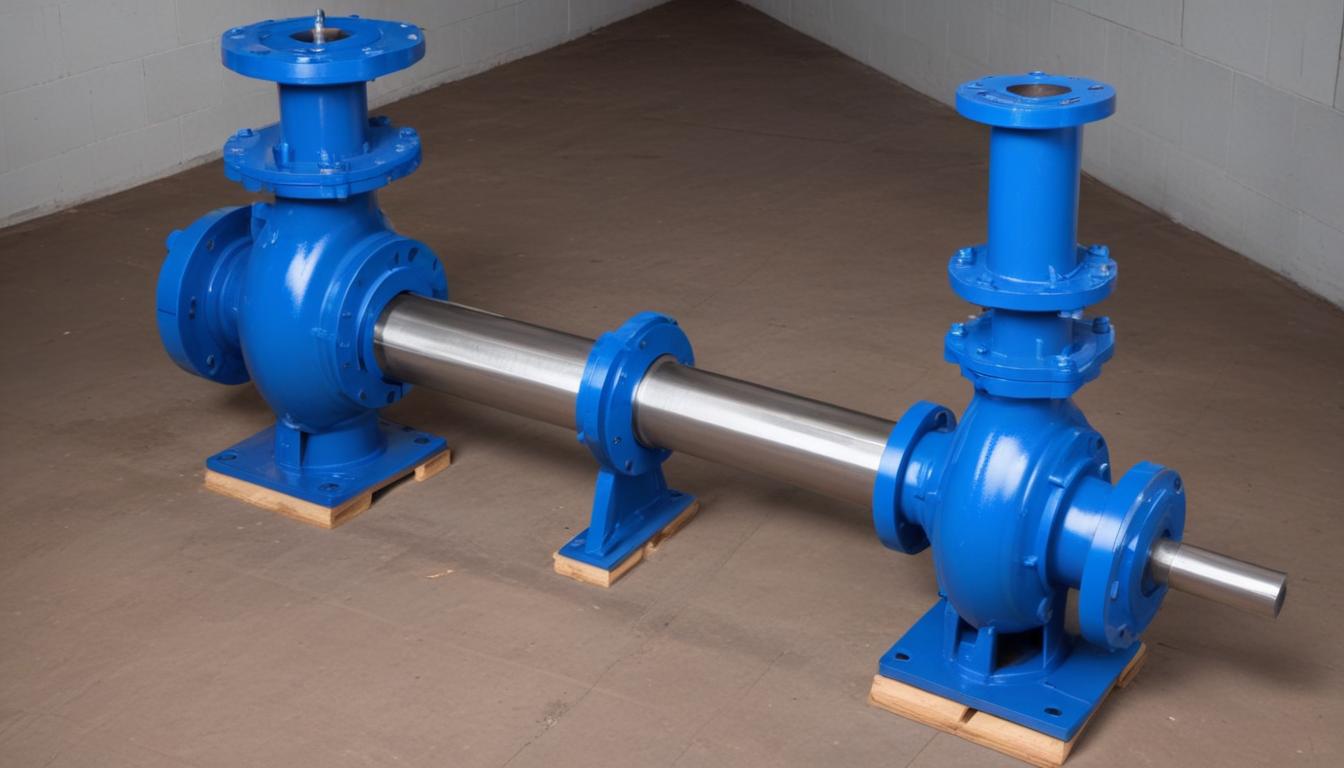
In the pursuit of optimal performance in progressive cavity pump installation, awareness of common alignment mistakes is crucial. Engineers and pump users need to be vigilant regarding specific missteps that can compromise the integrity and efficiency of the system. By identifying and avoiding these common pitfalls, teams can reduce the likelihood of misalignment and ensure the longevity of the pump’s operation.
One prevalent mistake is neglecting the preparation of the foundation and surrounding structures. An unstable or improperly leveled base can lead to significant alignment issues. Failing to ensure that both the pump and driver are mounted on a flat, secure surface can introduce stresses that misalign the shafts as the system operates. It is vital to start with a well-prepared foundation that has been thoroughly inspected prior to installation.
Another common error is the lack of proper measurement protocols. Many technicians may take shortcuts or rely on their instincts rather than utilizing precise measurement tools. This can result in inaccurate alignments that lead to premature wear and other operational inefficiencies. Engineers should employ reliable tools such as laser alignment systems or dial indicators and consistently follow established measurement techniques to avoid discrepancies in alignment data.
- Overlooking Multiple Measurement Points: Focusing on single measurement points and ignoring others can miss misalignment issues that only become apparent when viewed from various angles. Taking readings from multiple locations is essential for a comprehensive understanding of the alignment status.
- Rushing the Adjustment Process: Engineers sometimes rush adjustments in an effort to expedite the installation process. This can lead to oversights that create misalignment. Each adjustment should be carried out methodically, with careful consideration given to the manufacturer’s specifications.
- Ignoring Thermal Expansion: Some operators may neglect the effects of thermal expansion, particularly in high-temperature applications. Failure to account for thermal variations can result in incorrect spacing between shafts once the system reaches operating temperatures. It’s essential to factor in expected thermal expansion during installation to maintain alignment.
- Neglecting Vibration Analysis: After alignment, skipping vibration analysis can result in overlooking potential misalignment issues. Regular monitoring for vibration patterns can help identify underlying problems that might develop post-installation.
Additionally, insufficient documentation can hinder future maintenance efforts. Failing to keep detailed records of measurements and adjustments may lead to confusion during subsequent inspections or realignments. Establishing a comprehensive log with this information will streamline future maintenance, enable quick references, and aid in identifying any reoccurring issues.
In maintaining alignment, some operators may overlook the importance of rechecking the alignment after the system has been in operation. Changes may occur due to normal wear, settlement of the foundation, or even environmental factors. Implementing a routine schedule for alignment checks can prevent minor misalignments from escalating into significant problems over time.
By recognizing and avoiding these common mistakes, pump users and engineers can foster a more reliable installation and operation of progressive cavity pumps. Implementing rigorous alignment protocols and maintaining due diligence during installation processes is imperative to achieving optimal pumping performance and longevity.
Maintenance and Realignment Strategies
Implementing effective maintenance and realignment strategies is essential for ensuring the long-term performance and reliability of progressive cavity pumps. Regular maintenance not only helps address any alignment deviations that may arise during operation but also extends the service life of the pump and its components. A proactive approach to maintenance can prevent costly repairs and unwanted downtime.
One key strategy involves establishing a routine inspection schedule. Regular checks of the alignment status should be carried out at defined intervals based on the operating conditions and historical performance of the pump. These inspections should include visual assessments for any signs of wear or misalignment, as well as vibration analysis. This monitoring can help identify potential issues before they escalate, enabling timely interventions to maintain alignment.
In addition to routine inspections, it is advisable to integrate dynamic alignment checks after the pump has been in service. Operating conditions can lead to changes in alignment due to thermal expansion, wear, or environmental influences. By conducting dynamic checks while the pump is operational, operators can determine if the alignment remains within acceptable tolerances and make necessary adjustments as needed.
The use of predictive maintenance techniques can further enhance alignment management. Predictive maintenance utilizes condition-monitoring tools, such as vibration analysis and temperature tracking, to forecast potential alignment issues. By analyzing the collected data, maintenance teams can predict when realignment may be required and schedule it during planned maintenance activities. This strategy reduces unplanned downtime and prolongs the life of the pump.
- Documenting Alignment Changes: Keeping detailed records of alignment measurements, adjustments made, and any observed changes is crucial for effective maintenance. These logs provide valuable insights for future maintenance, allowing teams to note patterns and identify recurring alignment issues.
- Engaging Experienced Personnel: Ensuring that qualified technicians perform alignment checks and adjustments is vital. Experienced personnel can detect subtle misalignments that less experienced operators might overlook, leading to better maintenance outcomes.
- Training and Education: Ongoing training for maintenance staff regarding alignment best practices and the use of alignment tools can enhance operational efficiency. Empowering personnel with knowledge simplifies the process of identifying and addressing alignment issues proactively.
When realigning progressive cavity pumps, it is important to follow specific techniques to achieve optimal results. The realignment process should start with an analysis of the initial alignment measurements. Where misalignment is detected, adjustments should be made in small increments, constantly rechecking measurements to achieve the desired alignment. This meticulous approach ensures that the pump is centered properly and reduces the likelihood of overshooting the alignment target.
Finally, environmental factors should also be considered during maintenance and realignment efforts. Changes in temperature, humidity, and external vibrations can affect the alignment status of the pump system. Operators should incorporate environmental assessments into their maintenance routines, adapting realignment strategies to account for these external influences when necessary.
By adopting these maintenance and realignment strategies, operators can significantly enhance the reliability and efficiency of progressive cavity pumps. A commitment to regular monitoring and proactive adjustment not only optimizes performance but also plays a crucial role in extending the operational lifespan of the pump and its associated components.