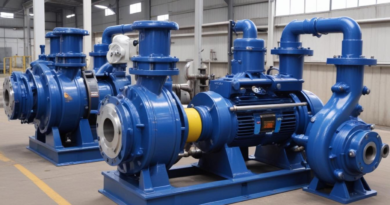
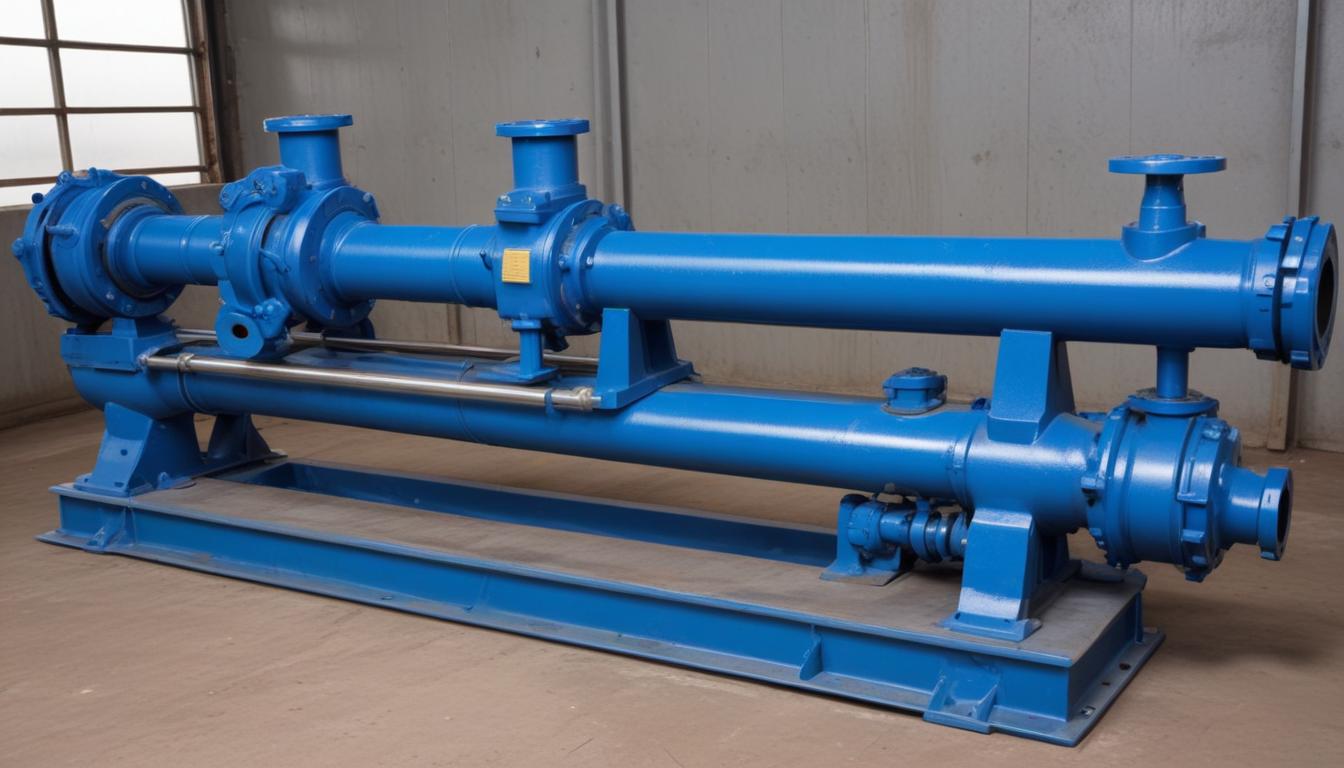
Exploring the challenges in maintaining progressive cavity pumps
Progressive cavity pumps are a type of positive displacement pump commonly used for transferring viscous fluids. These pumps operate through the rotational movement of a helical rotor within a fixed stator, creating cavities that progressively move fluid through the pump. This design allows for consistent flow rates and the ability to handle a variety of fluid types, from thin liquids to thick slurries, making them a versatile solution in various industrial applications.
One of the distinct challenges faced by engineers and maintenance personnel when working with progressive cavity pumps is ensuring optimal performance over time. The nature of these pumps means that they can be susceptible to wear and tear, especially under heavy operational conditions. Key factors influencing the longevity of progressive cavity pumps include:
- Fluid Characteristics: The viscosity and abrasive properties of the fluid being pumped can significantly impact the wear on the rotor and stator.
- Operating Conditions: Factors such as temperature fluctuations, pressure spikes, and the presence of solids in the fluid can create additional stress on pump components.
- Installation Errors: Proper installation is critical; misalignment can lead to premature failure of the pump.
Understanding these among other maintenance challenges is essential to ensure reliability and efficiency in the operation of progressive cavity pumps. Essential components must be regularly inspected for signs of wear, and timely replacements are crucial in maintaining pump functionality.
Additionally, it is vital to establish a maintenance schedule that takes into account the specific operational demands of the pump system. This proactive approach helps in mitigating the risks associated with unexpected failures and extends the lifespan of progressive cavity pumps.
Common Maintenance Challenges
Several maintenance challenges are commonly encountered in the operational lifecycle of progressive cavity pumps, which can hinder their efficiency and longevity. Identifying these challenges is critical for engineers and maintenance personnel tasked with ensuring optimal pump functionality. Some of the prevalent issues include:
- Wear and Tear: Over time, the continuous motion of the rotor against the stator leads to friction, resulting in material degradation. This is especially pronounced when pumping abrasive fluids, which may accelerate wear on pump components.
- Seal Failures: The seals within the pump are vital for preventing leaks. Exposure to extremes in temperature and pressure may cause these seals to fail, leading to fluid leakage and potential operational downtime.
- Clogging: The presence of solid particles in the fluid can lead to blockages, significantly impacting the pump’s ability to maintain flow rates. Regular monitoring is essential to ensure that the fluid being pumped does not lead to build-up in the system.
- Fluid Compatibility: Using fluids that are incompatible with the pump materials can lead to chemical reactions, resulting in component breakdown and requiring costly replacements.
- Overloading: Operating the pump beyond its designed capacity can result in overheating and increased mechanical stress, leading to premature failures.
To mitigate these challenges, a robust maintenance strategy should be implemented, which includes:
- Regular Inspections: Conduct thorough regular inspections to detect early signs of wear, seal integrity, and fluid conditions.
- Monitoring Performance: Utilize performance monitoring tools to track flow rates, pressure variations, and overall pump health.
- Training Personnel: Ensure that operational and maintenance staff are adequately trained to recognize issues and understand the proper procedures to maintain and troubleshoot progressive cavity pumps.
- Scheduled Maintenance: Develop and strictly adhere to a scheduled maintenance program that incorporates component replacements and system assessments at regular intervals.
Addressing these maintenance challenges not only improves the overall performance of progressive cavity pumps but also minimizes unexpected failures, enhancing operational reliability and efficiency across various applications.
Impact of Environmental Factors
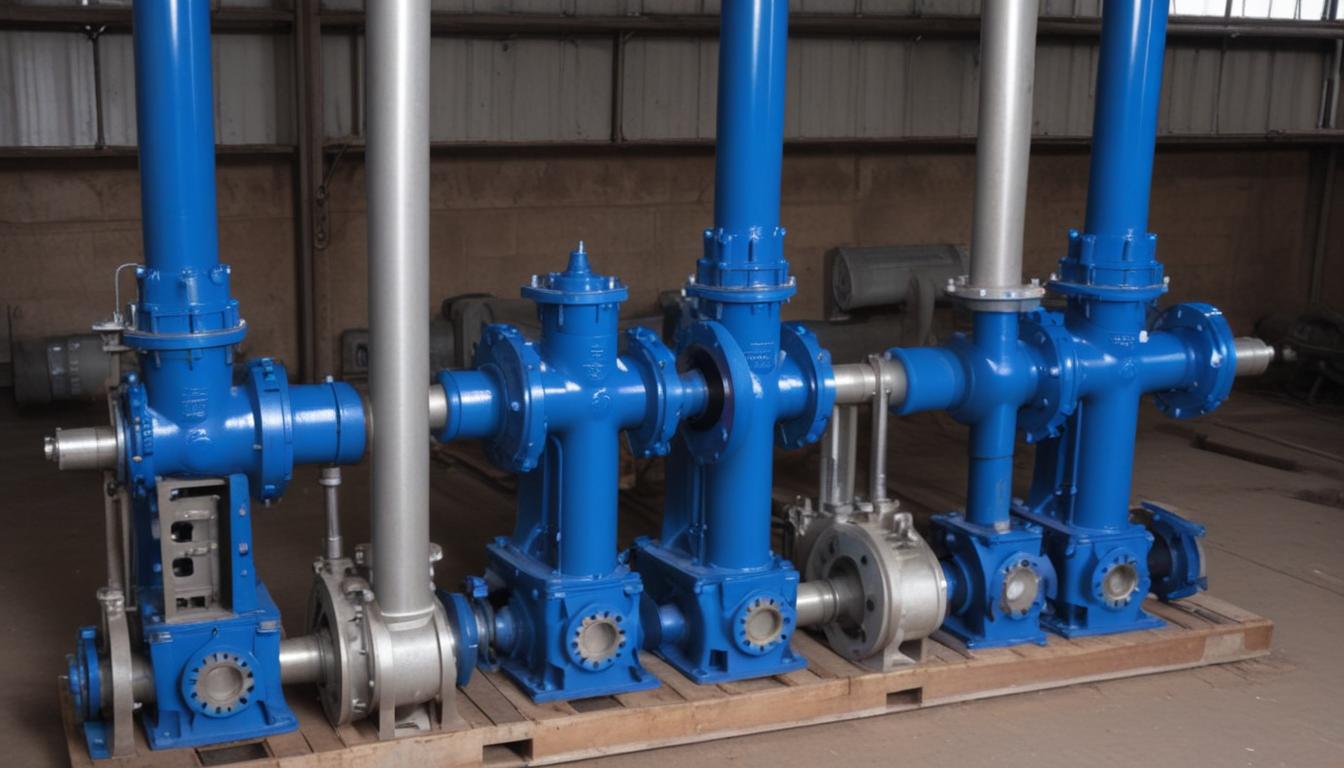
The performance and reliability of progressive cavity pumps are significantly influenced by various environmental factors that can alter their operational dynamics. Understanding these factors is crucial for engineers and pump users to effectively address the challenges that arise from their interactions with the pump system. Key environmental considerations include:
- Temperature Extremes: Sudden temperature fluctuations can impact the viscosity of the fluids being pumped. High temperatures may lower the viscosity, leading to inefficient pumping, while low temperatures can cause increased viscosity, straining the pump and potentially resulting in mechanical failures.
- Humidity Levels: Excess humidity can lead to moisture ingress in electrical control systems, potentially causing malfunctions that can disrupt pump operation. Furthermore, moisture can contribute to the corrosion of metal components within the pump.
- Dust and Contaminants: Environments with high levels of dust and particulate matter can lead to abrasion and wear on pump components, particularly affecting seals and bearings. Keeping the pump area clean is vital to minimize these risks.
- Corrosive Environments: In applications where fluids may contain corrosive substances, the material selection for the pump is paramount. Inadequate materials can lead to rapid deterioration, causing leaks and mechanical failures if not properly matched to the application.
- Vibration and Noise: External vibrations from nearby equipment can affect the operation of progressive cavity pumps. Excessive vibrations can lead to misalignments and increased wear on critical components, prompting unexpected maintenance needs.
To combat these environmental challenges, integrating the following best practices into maintenance protocols can prove beneficial:
- Environment Monitoring: Implement environmental sensors to monitor temperature, humidity, and vibration levels, enabling prompt action when set thresholds are exceeded.
- Corrosion Resistance: Select materials that are resistant to corrosion and erosion for components in contact with harsh environments, ensuring longer service life and reduced maintenance frequency.
- Regular Cleaning Protocols: Establish consistent cleaning schedules to remove dust and debris from the pump area, ensuring no foreign materials hinder pump performance.
- Vibration Dampening Solutions: Explore installation of vibration dampening equipment to minimize the effects of external mechanical stressors on the pump.
By acknowledging and addressing these environmental factors, engineers and maintenance teams can significantly enhance the operational efficiency and reliability of progressive cavity pumps while minimizing the impact of associated maintenance challenges.
Best Practices for Maintenance
Implementing effective maintenance practices for progressive cavity pumps is crucial for maximizing their operational efficiency and minimizing downtime. A proactive maintenance strategy should encompass various activities aimed at ensuring that each component of the pump system operates optimally. Here are key best practices that engineers and maintenance personnel should prioritize:
- Develop a Comprehensive Maintenance Schedule: Create a detailed schedule that delineates specific maintenance tasks, such as inspections, component replacements, and performance testing, based on the unique operating conditions and manufacturer’s recommendations.
- Utilize Predictive Maintenance Technologies: Leverage advanced technologies such as vibration analysis, thermal imaging, and acoustic monitoring to detect early signs of wear and anomalies. These tools help in anticipating maintenance needs before failures occur, thereby enhancing pump reliability.
- Conduct Regular Performance Evaluations: Implement routine performance evaluations to assess flow rates, pressure levels, and power consumption. This data assists in identifying deviations from baseline performance, allowing for timely interventions to prevent potential maintenance challenges.
Additionally, maintenance staff should be trained continuously to stay current with best practices, ensuring they possess the necessary skills to manage progressive cavity pumps effectively. This training should cover:
- Fluid Handling Procedures: Understanding the importance of handling the pumped fluids correctly to prevent contamination and compatibility issues that could lead to rapid wear.
- Component Inspection Techniques: Knowing how to identify early signs of degradation in critical components, including seals and rotors, can save time and costs associated with extensive maintenance challenges.
- Emergency Response Protocols: Preparing maintenance personnel to respond swiftly to any unexpected pump failures or operational issues helps mitigate downtime and ensures the continuity of processes.
Another essential aspect is ensuring adequate lubrication of pump components. Proper lubrication reduces friction and wear, extending the service life of progressive cavity pumps. Implement the following lubrication practices:
- Select Appropriate Lubricants: Choose lubricants specifically designed for the operational demands of progressive cavity pumps, considering factors such as temperature range and chemical compatibility.
- Establish Lubrication Intervals: Create a lubricant application schedule based on usage hours and manufacturer’s specifications to prevent under- or over-lubrication, both of which can lead to maintenance challenges.
Incorporating these best practices not only streamlines the maintenance process for progressive cavity pumps but also fosters a culture of proactive monitoring and care, resulting in improved performance and reduced operational challenges.
Future Trends in Pump Technology
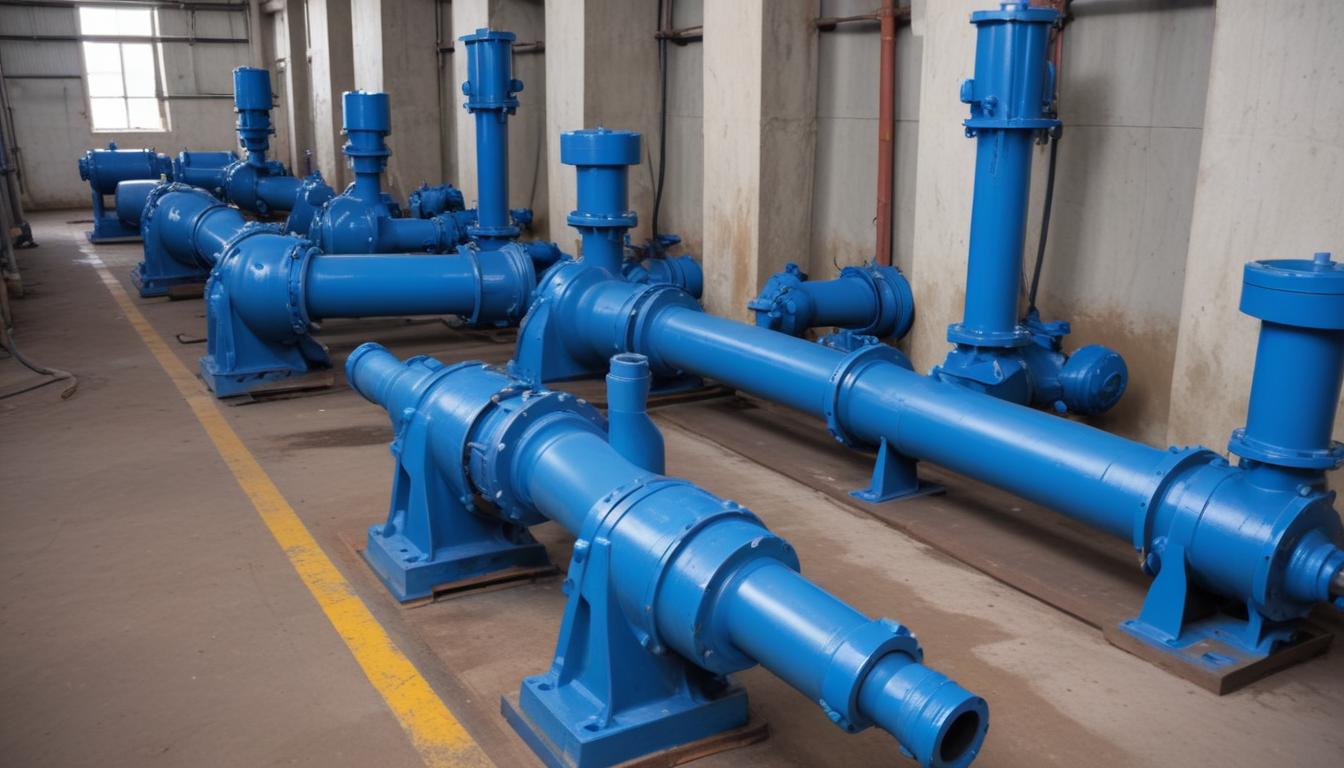
The future of progressive cavity pumps is poised to be shaped by technological advancements that address existing maintenance challenges while enhancing overall performance. Innovations in pump design and materials are critical in developing pumps that are more resilient, efficient, and easier to maintain. Significant trends that are anticipated to influence the evolution of progressive cavity pumps include:
- Smart Pump Technologies: The integration of IoT (Internet of Things) technology allows for real-time monitoring and remote control of pump operations. Sensors can relay performance data such as flow rates, pressure levels, and operational status, enabling predictive maintenance and minimizing downtime due to unexpected failures.
- Advanced Materials: Ongoing research into high-performance materials is yielding components that are more resistant to wear, corrosion, and thermal stress. Materials such as advanced polymers and composites can significantly enhance the lifespan of pump parts, particularly in harsh pumping environments.
- Improved Sealing Technologies: Innovations in sealing solutions can drastically reduce leaks and failure points in progressive cavity pumps. Enhanced designs that accommodate higher pressures and temperatures are being developed to ensure greater reliability and reduced maintenance needs.
- Energy Efficiency Improvements: As energy costs continue to rise, there is increasing pressure on manufacturers to produce pumps that consume less power without sacrificing performance. Future designs are likely to focus on optimizing rotor and stator configurations to improve hydrodynamic efficiency.
- Customization for Specific Applications: The trend towards tailored pump solutions is gaining momentum, as manufacturers offer pumps designed for specific fluids and conditions. This bespoke approach allows for more efficient operations and addresses unique maintenance challenges faced in specialized industries.
To capitalize on these future trends, engineers and pump users must remain engaged with ongoing developments in pump technology. Emphasizing the importance of regular training and knowledge sharing among maintenance teams will ensure they are equipped with the latest information and tools necessary to optimize the performance of progressive cavity pumps.
The continued innovation in progressive cavity pump technology promises to address many existing challenges, paving the way for more reliable and efficient pumping solutions in a variety of applications. By embracing these advancements, companies can not only enhance productivity but also significantly reduce the risks and costs associated with maintenance.