Corrosion-resistant materials for progressive cavity pumps
In the design and operation of progressive cavity pumps, the selection of appropriate corrosion-resistant materials is critical for enhancing the pump’s longevity and performance. These pumps, which are often utilized in challenging environments, are subjected to various corrosive substances that can lead to significant wear and degradation over time. The right materials not only minimize the risk of corrosion but also ensure optimal operation under varying conditions.
Commonly used corrosion-resistant materials for progressive cavity pumps include:
- Stainless Steel: Known for its excellent resistance to corrosion, stainless steel is often used in pump components that come into direct contact with fluids. Its durability and strength make it suitable for a wide range of applications.
- Alloy Cast Iron: This material incorporates various alloying elements, enhancing its resistance to abrasion and corrosion. It is particularly effective in handling abrasive fluids that could affect performance.
- Polymer-based Composites: These materials provide excellent chemical resistance and can be engineered to meet specific operational requirements. Their lightweight nature also contributes to reduced energy consumption during pump operation.
- Nickel-based Alloys: These alloys exhibit superior resistance to severe corrosion environments, making them ideal for pumps operating in highly corrosive fluids.
The selection of the appropriate materials must take into account factors such as the nature of the fluids being pumped, operational temperatures, and the potential for chemical attack. Engineers must carefully evaluate these factors to optimize the performance of progressive cavity pumps while minimizing maintenance costs and downtime. Ultimately, the correct choice in corrosion-resistant materials leads to enhanced durability and reliability, ensuring that pumps can operate efficiently in corrosive environments.
Types of corrosion encountered in pumping systems
Corrosion in pumping systems can manifest in several distinct forms, each posing unique challenges to the integrity and performance of progressive cavity pumps. Understanding the types of corrosion encountered is essential for selecting the right corrosion-resistant materials that will enhance the durability and longevity of these systems.
Some of the most common types of corrosion that can affect pumping systems include:
- Uniform Corrosion: This type occurs uniformly across the surface of the material, often due to prolonged exposure to corrosive fluids. It can lead to a gradual loss of material thickness, ultimately compromising pump function.
- Pitting Corrosion: Pitting is characterized by small, localized areas of corrosion that can quickly penetrate deep into the material. These pits can significantly reduce the structural integrity of components and are often caused by chloride ions in the fluid.
- Crevice Corrosion: This form of corrosion happens in confined spaces where stagnant conditions exist, leading to differential aeration concerns. It commonly occurs in flange joints and gasket areas, making detailed inspections crucial to maintaining pump performance.
- Galvanic Corrosion: This involves the electrochemical reaction that occurs when two different metals are in contact with an electrolyte. If dissimilar metals are used in the pump system, this can lead to one metal corroding preferentially, creating an imbalance in durability.
- Stress Corrosion Cracking (SCC): SCC is a result of the combined effects of tensile stress and a corrosive environment, which can lead to catastrophic failure. Materials susceptible to SCC must be carefully monitored and replaced when necessary.
Progressive cavity pumps often operate in environments that expose them to various corrosive agents, such as acids, alkalis, and saltwater. As such, it’s vital to utilize materials that are specifically engineered to resist these different types of corrosion. Selecting the correct corrosion-resistant materials helps mitigate the risks associated with these corrosive interactions, ensuring reliable operation.
The effective management and selection of materials based on the corrosion types present not only extend the lifespan of the pump but also significantly reduce the risks of unplanned maintenance and failure. Engineers must evaluate the specific corrosive conditions and select materials that are suitable to withstand these challenges, ultimately leading to enhanced operational efficiency.
Material selection criteria for pump components
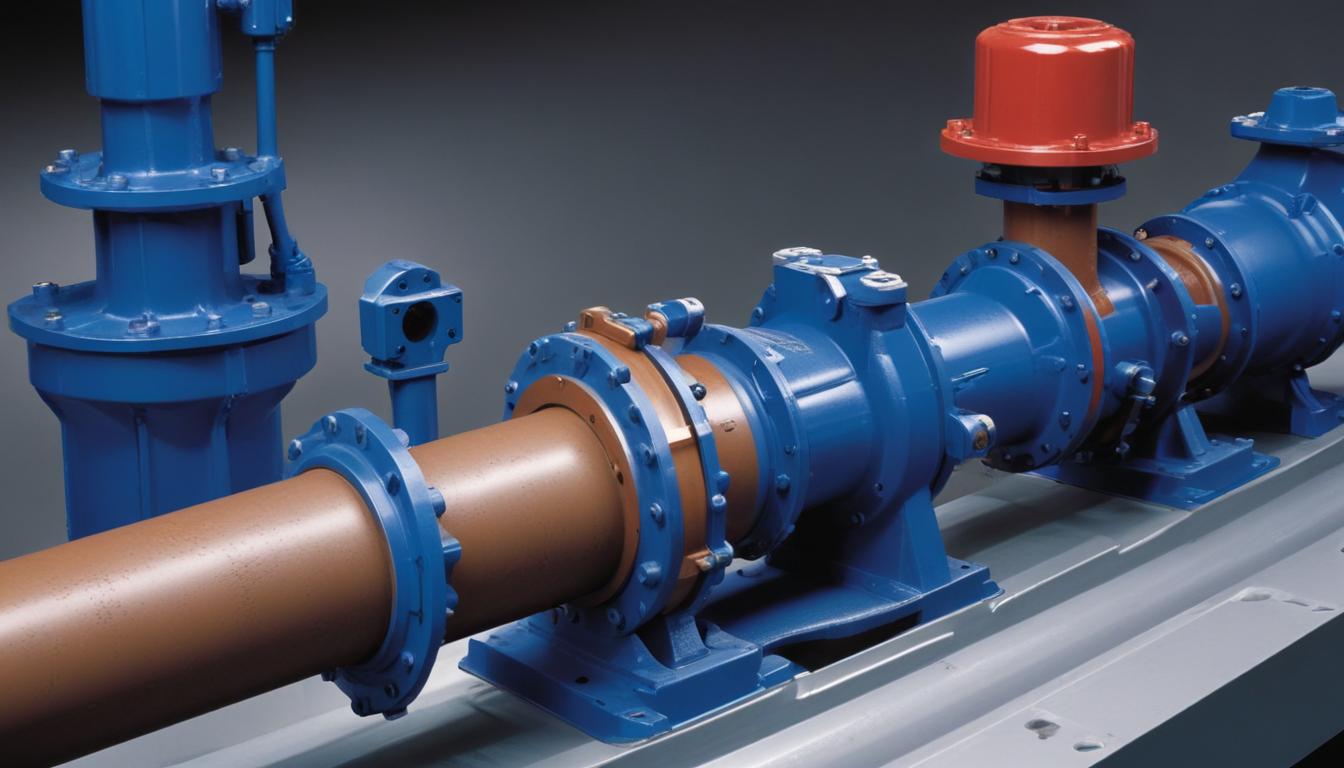
The process of selecting the appropriate materials for progressive cavity pump components is intricate and requires a comprehensive understanding of various factors that influence performance and durability in corrosive environments. Key criteria to consider include:
- Fluid Compatibility: It is crucial to assess the chemical composition of the fluids being pumped. Compatibility with the pump materials helps prevent chemical reactions that can lead to corrosion or degradation. Various testing methods, such as immersion testing and chemical compatibility charts, can guide this assessment.
- Temperature and Pressure Ratings: The operational environment’s temperature and pressure conditions must align with the material specifications. High temperatures can accelerate corrosion processes, while pressure fluctuations can induce stress, requiring materials that maintain integrity under these conditions.
- Mechanical Properties: Materials should possess sufficient strength, hardness, and toughness to endure the mechanical stresses imparted during operation. Evaluating yield strength, tensile strength, and fatigue resistance is essential to ensure that the pump components can withstand operational demands.
- Ease of Fabrication and Maintenance: Materials should be easy to machine and assemble, enabling efficient manufacturing processes. Additionally, materials that require minimal maintenance or provide ease of access for repairs can significantly reduce downtime and operational costs.
- Cost-Effectiveness: While investing in corrosion-resistant materials may incur higher initial costs, the long-term benefits associated with reduced maintenance and increased longevity must be considered. A thorough cost-benefit analysis can help to justify the selection of high-performance materials.
Furthermore, it is important to evaluate the potential for corrosion mechanisms specific to the materials chosen. For instance, materials that are more resistant to pitting or galvanic corrosion may be preferable in environments with a high risk of chlorides or mixed metal applications. Advanced testing methodologies, such as electrochemical testing and accelerated aging tests, can provide insights into material performance in real-world applications.
Finally, collaboration with material suppliers who specialize in corrosion-resistant materials can aid engineers in making informed decisions. Suppliers often provide valuable data, including performance metrics and application-specific recommendations, to ensure that the selected materials will meet the rigors of the intended operational environment. By adhering to these selection criteria, engineers can enhance the reliability and efficiency of progressive cavity pumps, leading to improved overall system performance.
Innovative coatings and treatments for enhanced durability
Incorporating innovative coatings and treatments into the design of progressive cavity pumps plays a crucial role in enhancing their durability and performance in corrosive environments. These advanced surface modifications not only provide an extra layer of protection against various forms of corrosion but also contribute to improved wear resistance and overall longevity of pump components.
Among the most effective coatings and treatments are:
- Hard Anodizing: This electrochemical process enhances the corrosion resistance and surface hardness of aluminum components. By creating a thick layer of aluminum oxide, hard anodizing provides exceptional wear and fatigue resistance, making it suitable for components that experience high friction and abrasive conditions.
- PTFE (Polytetrafluoroethylene) Coatings: Known for their outstanding chemical resistance, PTFE coatings provide a low-friction surface that minimizes wear and fouling. These coatings are particularly effective in environments with aggressive chemicals, enabling pumps to operate smoothly even in harsh conditions.
- Epoxy Resins: Epoxy coatings are widely used for their excellent adhesion and resistance to a broad range of chemical attacks. These coatings can be custom-formulated to meet specific chemical requirements, making them ideal for diverse pumping applications while providing a durable barrier against corrosive elements.
- Ceramic Coatings: These coatings offer exceptional hardness and thermal resistance, making them suitable for components subjected to abrasive materials and high temperatures. Their non-porous nature also enhances resistance to corrosion, ensuring prolonged service life.
Engineers must consider several factors when implementing these innovative coatings and treatments:
- Compatibility: The coating must be compatible with the base material of the pump components. Incompatible coatings can lead to delamination and failure, thus undermining the intended benefits.
- Application Method: The method of applying the coating can influence its effectiveness. Techniques such as spraying, dipping, or electroplating should be chosen based on the component’s geometry and operational requirements.
- Environmental Resistance: Different coatings may perform better under specific environmental conditions. Understanding the pump’s operational environment is vital for selecting the appropriate coating to ensure optimal performance.
- Cost vs. Performance: While higher-performing coatings may come at a premium, the long-term benefits of reduced maintenance and extended pump life must be weighed against initial costs.
Moreover, ongoing advancements in coatings technology continue to yield products designed for even more demanding applications. Engineers can leverage these innovations to optimize corrosion-resistant materials and finishes, addressing specific challenges encountered in various pumping environments. By adopting these innovative solutions, progressive cavity pumps can achieve enhanced durability, reliability, and efficiency, ultimately benefiting users through reduced downtime and maintenance costs.
Case studies of successful applications and performance assessments
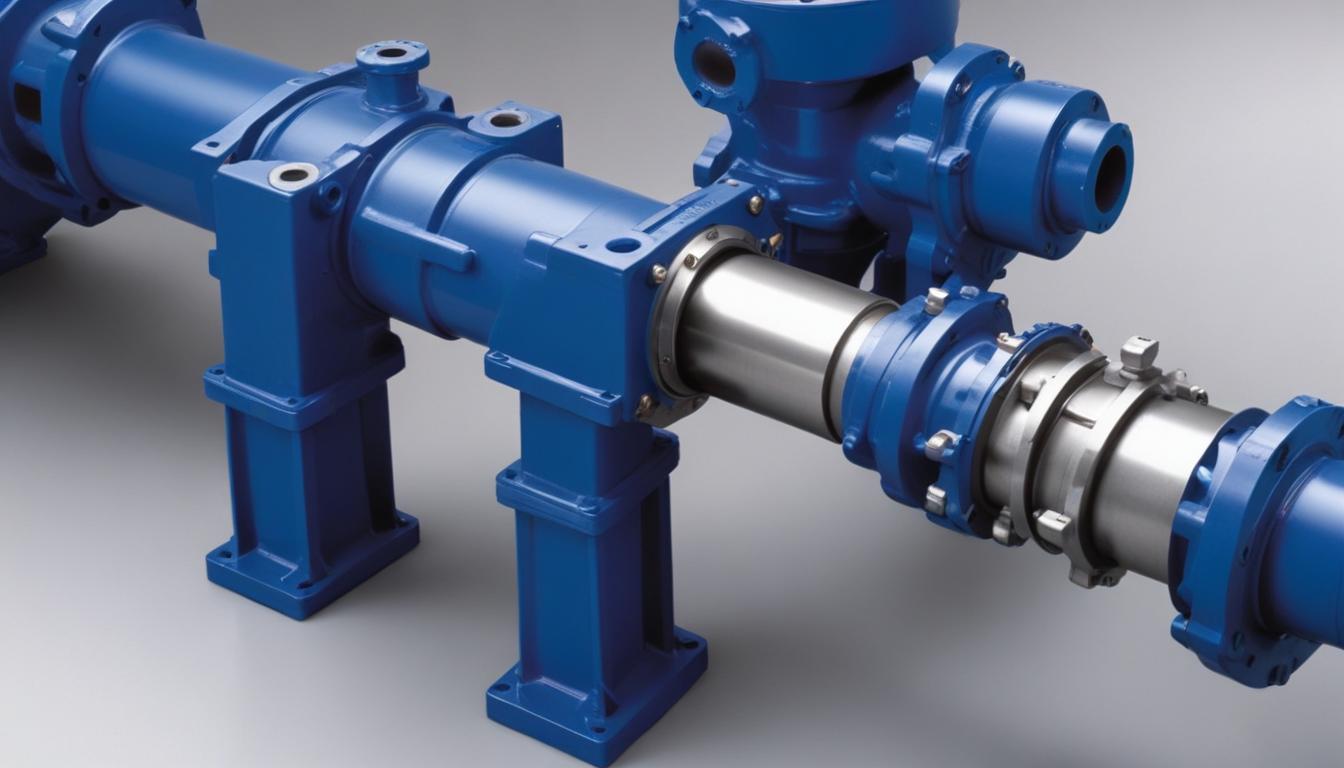
Case studies illustrating successful applications of corrosion-resistant materials in progressive cavity pumps have provided valuable insights into their effectiveness and performance in real-world settings. These examples highlight the importance of material selection and innovative treatment approaches that can significantly enhance pump longevity and reduce maintenance costs.
One notable case study involves the use of stainless steel components in a progressive cavity pump operating in a wastewater treatment facility. The facility experienced issues with traditional materials succumbing to severe corrosive agents present in the effluent. By switching to a high-grade stainless steel, the facility reported a dramatic reduction in pump failures and maintenance downtime, allowing for consistent operation and energy savings. Performance assessments indicated that the stainless steel components maintained integrity even after prolonged exposure to corrosive agents, thus demonstrating the importance of material compatibility with aggressive environments.
Another example can be seen in the oil and gas industry, where a progressive cavity pump was required to handle highly viscous fluids containing corrosive elements such as hydrogen sulfide (H2S). The introduction of nickel-based alloys in the pump construction brought about significant improvements in resistance to stress corrosion cracking (SCC) and pitting corrosion. Following the implementation of these materials, the pump showcased an extended operational life exceeding three years without significant wear, compared to previous installations that required replacement every six months.
In the food processing sector, a facility dealing with acidic fluids used a progressive cavity pump equipped with PTFE (Polytetrafluoroethylene) coatings on the internal surfaces. The application of these high-performance coatings resulted in enhanced chemical resilience and reduced friction, which enabled smoother operation and easier cleaning. Performance assessments confirmed that the coated components extended service life and reduced the frequency of maintenance interventions, illustrating the effectiveness of innovative surface treatments in preserving pump functionality.
The use of epoxy resins has also been documented in a mining operation where abrasive slurries cause accelerated component wear. The introduction of epoxy-coated impellers improved abrasion resistance, providing a longer service life compared to uncoated alternatives. Analytical data post-application showed a notable decrease in wear rates and a corresponding increase in operational uptime, showcasing the benefits of integrating advanced materials and coatings in demanding environments.
As these case studies demonstrate, the strategic selection of corrosion-resistant materials and innovative treatments can lead to substantial improvements in the performance and longevity of progressive cavity pumps. Engineers and pump users must analyze these successful applications to inform their material choices and optimize the integrity and durability of their pumping systems.