
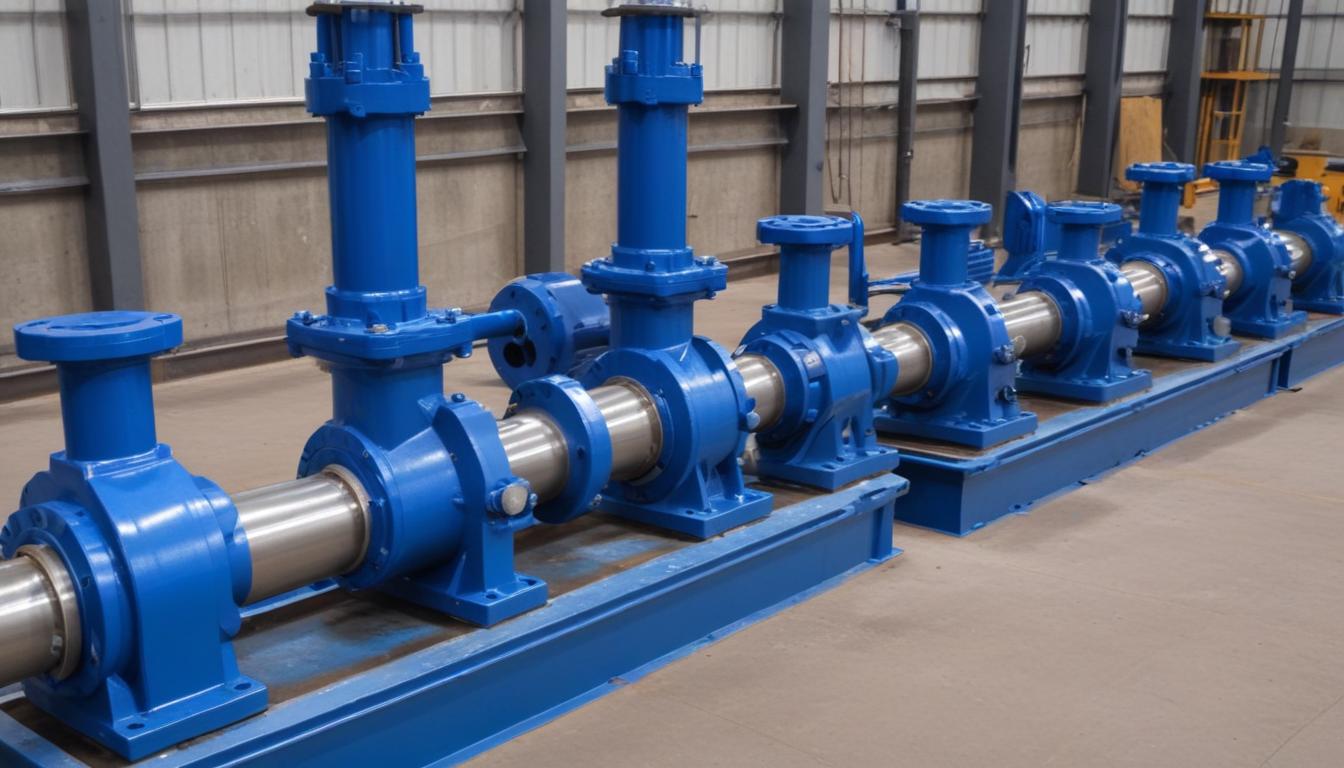
Case studies: progressive cavity pumps in manufacturing
The utilization of progressive cavity pumps in various manufacturing processes has been documented through numerous case studies, showcasing their efficiency, reliability, and versatility. In one notable case study within the food manufacturing sector, a leading company encountered challenges with their existing pump systems, which struggled with the handling of viscous materials. By integrating progressive cavity pumps, they were able to achieve a consistent flow rate with minimal shear, preserving the integrity of sensitive ingredients.
Similarly, in the chemical manufacturing industry, another case study highlighted the application of progressive cavity pumps for the transfer of abrasive slurries. The pump’s design enabled it to withstand wear while maintaining a steady output, thus minimizing downtime for maintenance. As a result, operational efficiency was significantly improved, leading to higher productivity levels.
Furthermore, a case study in the oil and gas sector illustrated how progressive cavity pumps are capable of managing varying viscosities and flow rates encountered during production processes. The pumps adapted seamlessly to changes in fluid properties, thereby enhancing overall system performance and reliability.
Case studies consistently demonstrate that progressive cavity pumps are not only effective in handling challenging materials but also contribute to cost savings through reduced energy consumption and lower maintenance requirements. The data from these implementations provide valuable insights for engineers and industry professionals, underscoring the importance of selecting the appropriate pump technology for specific manufacturing applications.
- Case Study 1: Food Manufacturing – Improved flow consistency and ingredient integrity.
- Case Study 2: Chemical Industry – Enhanced performance with abrasive slurries.
- Case Study 3: Oil and Gas – Adaptability to varying fluid properties.
These examples reflect the transformative impact of progressive cavity pumps in enhancing manufacturing operations, addressing specific challenges, and driving efficiency across multiple sectors.
Applications of progressive cavity pumps
In the realm of manufacturing, progressive cavity pumps find applications across a diverse array of industries. Their unique design enables them to handle a wide variety of materials, making them a versatile choice for engineers seeking reliable pumping solutions. Below are some notable applications:
- Food Industry: These pumps are instrumental in the handling of viscous ingredients such as oils, sauces, and other food products. They maintain a delicate balance of flow with minimal shear, ensuring that the product’s characteristics remain intact.
- Chemical Processing: In this sector, progressive cavity pumps excel in transferring reactive and abrasive fluids. Their ability to withstand wear and corrosion ensures a longer lifespan while promoting consistent flow rates, critical for batching and blending operations.
- Pharmaceutical Manufacturing: The stringent standards in pharmaceuticals require pumps that can deliver precise dosing and maintain sterility. Progressive cavity pumps meet these standards, providing accurate and gentle handling of viscous and shear-sensitive substances.
- Wastewater Management: In wastewater treatment, these pumps are utilized for the transport of sludge and slurry due to their capability to manage high solids content without losing efficiency.
- Oil and Gas: As these industries deal with a variety of viscosities in crude oil and refined products, progressive cavity pumps adapt easily to changing fluid conditions, ensuring stable operations.
Additionally, the flexibility of progressive cavity pumps extends to their configurations and adaptations. For instance, they can be tailored with various materials for specific applications, such as stainless steel for corrosive environments or elastomers for food-safe operations. Their modular design allows easy replacement of components, further enhancing their application versatility.
Engineers recognize the effectiveness of progressive cavity pumps not only in handling challenging materials but also in driving operational efficiency. By implementing these pumps in manufacturing processes, companies can significantly improve their throughput and reliability while reducing operational costs.
With proven results across numerous case studies, progressive cavity pumps continue to solidify their position as a go-to solution for a multitude of manufacturing applications, highlighting their crucial role in enhancing productivity and meeting industry standards.
Advantages of using progressive cavity pumps
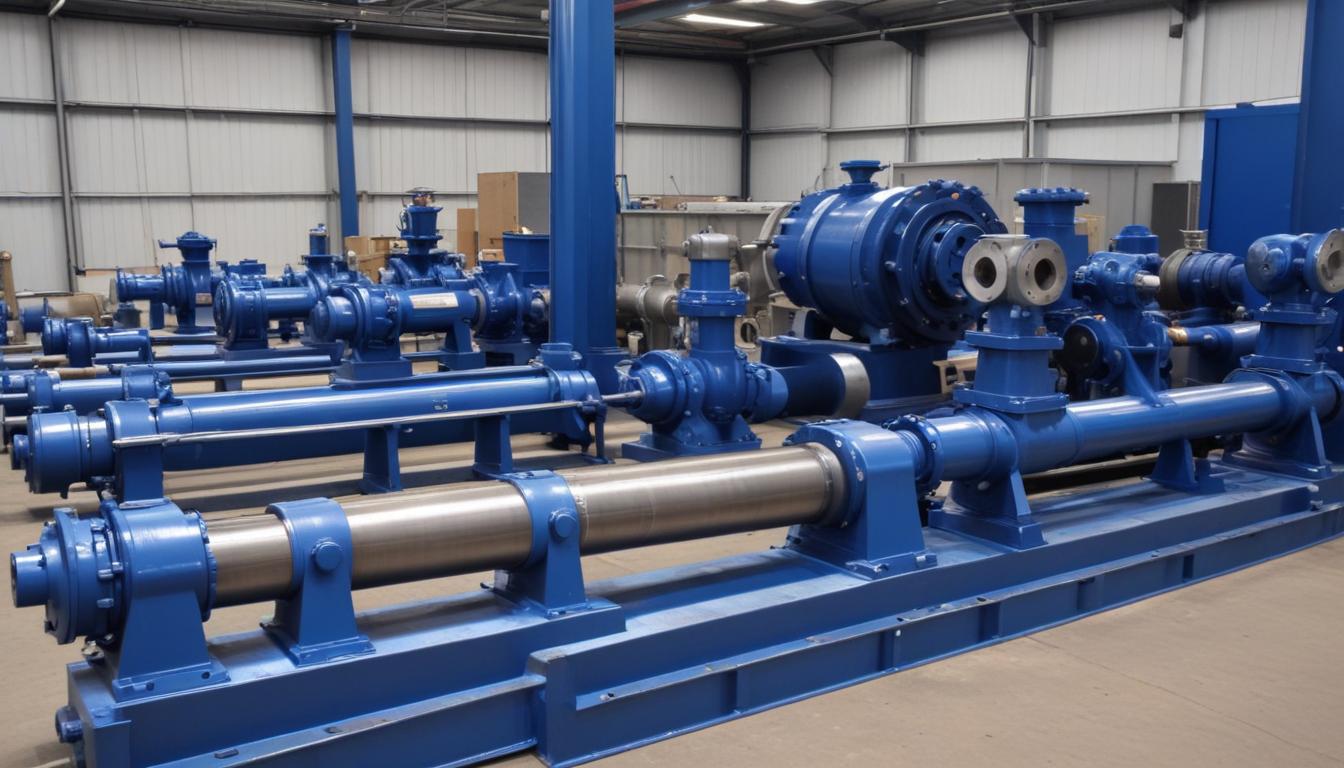
The advantages of utilizing progressive cavity pumps in manufacturing processes are numerous, making them a preferred choice for many industries. One of the primary benefits is their ability to handle a wide range of fluid types, including highly viscous, corrosive, and shear-sensitive substances. This flexibility allows manufacturers to achieve optimal performance in diverse applications.
Notably, progressive cavity pumps provide consistent flow rates even with fluctuating viscosities, which is critical in maintaining production efficiency. Their unique operational mechanism reduces pulsation, ensuring a steady and uniform output that is essential for precise dosing applications and blending processes.
Another significant advantage is energy efficiency. These pumps are designed to deliver high output with lower energy consumption compared to traditional pumping solutions. This reduction in energy usage contributes to lower operational costs and minimizes the environmental impact of manufacturing processes.
Additionally, the maintenance requirements for progressive cavity pumps are relatively low. Their simple design reduces the number of wear parts and allows for easy access during servicing. This translates to less downtime for maintenance and repairs, enhancing overall productivity.
From a resource management perspective, these pumps are highly durable, built to withstand the rigors of continuous operation in demanding environments. Their construction materials can be customized to mitigate issues such as abrasion or chemical erosion, further extending their service life.
- Versatility: Ability to pump a wide range of viscosities and fluid types.
- Consistent Flow: Delivers steady output, essential for various applications.
- Energy Efficiency: Significant reduction in energy consumption.
- Low Maintenance: Fewer wear parts and easy serviceability.
- Durability: Customizable materials for extended service life.
Moreover, progressive cavity pumps excel in handling abrasive and viscous materials, which are commonly encountered in manufacturing environments. This capability allows them to outperform other pump types, particularly in applications such as chemical processing and food manufacturing where product integrity is paramount.
As evidenced by various case studies, the implementation of progressive cavity pumps has led to substantial improvements in efficiency, cost-effectiveness, and operational reliability. Their advantages are clearly aligned with the demands of modern manufacturing, making them a strategic asset for companies focused on growth and sustainability.
Challenges and solutions in implementation
Implementing progressive cavity pumps in manufacturing processes can present various challenges, which are critical for engineers and decision-makers to understand in order to achieve optimal performance and reliability. One of the primary challenges is dealing with the complexity of fluid characteristics, such as varying viscosities or the presence of abrasive particles. The variability can lead to inconsistent pump performance, which undermines manufacturing efficiency.
To address this challenge, detailed analysis and selection of pump specifications are necessary. Conducting fluid characterization tests before installation can aid in determining the appropriate pump size, material, and operational settings. Incorporating software solutions for dynamic modeling can simulate various scenarios, allowing engineers to predict performance outcomes and make informed choices about pump configuration.
Another notable challenge is the potential for wear and tear due to the abrasive nature of some materials being pumped. This can result in increased maintenance costs and unplanned downtimes. However, engineers can greatly mitigate this issue by selecting pumps with enhanced material options, such as hardened elastomers or wear-resistant coatings. Regular maintenance checks combined with the use of predictive maintenance technologies can also enhance longevity and ensure that pumps perform within optimal parameters.
Integration with existing systems can pose additional challenges, especially in older manufacturing facilities where retrofitting is required. Engineers must ensure that the progressive cavity pumps are compatible with existing pipeline systems and that proper adjustments are made to accommodate different operating pressures and flow characteristics. Utilizing modular pump designs can simplify integration, allowing for seamless connections and easier adjustments when needed.
Operator training is essential after installation, as improper handling can lead to operational inefficiencies. Developing training programs that focus on the unique operational characteristics of progressive cavity pumps will empower operators to manage the equipment effectively. Furthermore, documenting operational best practices can enhance workforce knowledge and reduce errors during operation.
Despite these challenges, several solutions exist to optimize the implementation of progressive cavity pumps:
- Fluid Characterization: Conducting tests to understand material properties and selecting the right pump specifications.
- Material Selection: Choosing enhanced materials to resist wear from abrasive substances.
- Predictive Maintenance: Using technology to monitor pump performance and schedule maintenance proactively.
- Modular Design: Ensuring easy integration into existing systems with the capability to adapt to different requirements.
- Comprehensive Training: Providing operator training on best practices for efficient and correct pump handling.
By addressing these challenges with structured solutions, manufacturers can maximize the benefits of progressive cavity pumps. This proactive approach ensures that these pumps deliver the reliability and efficiency needed in today’s competitive manufacturing environment.
Performance analysis and results
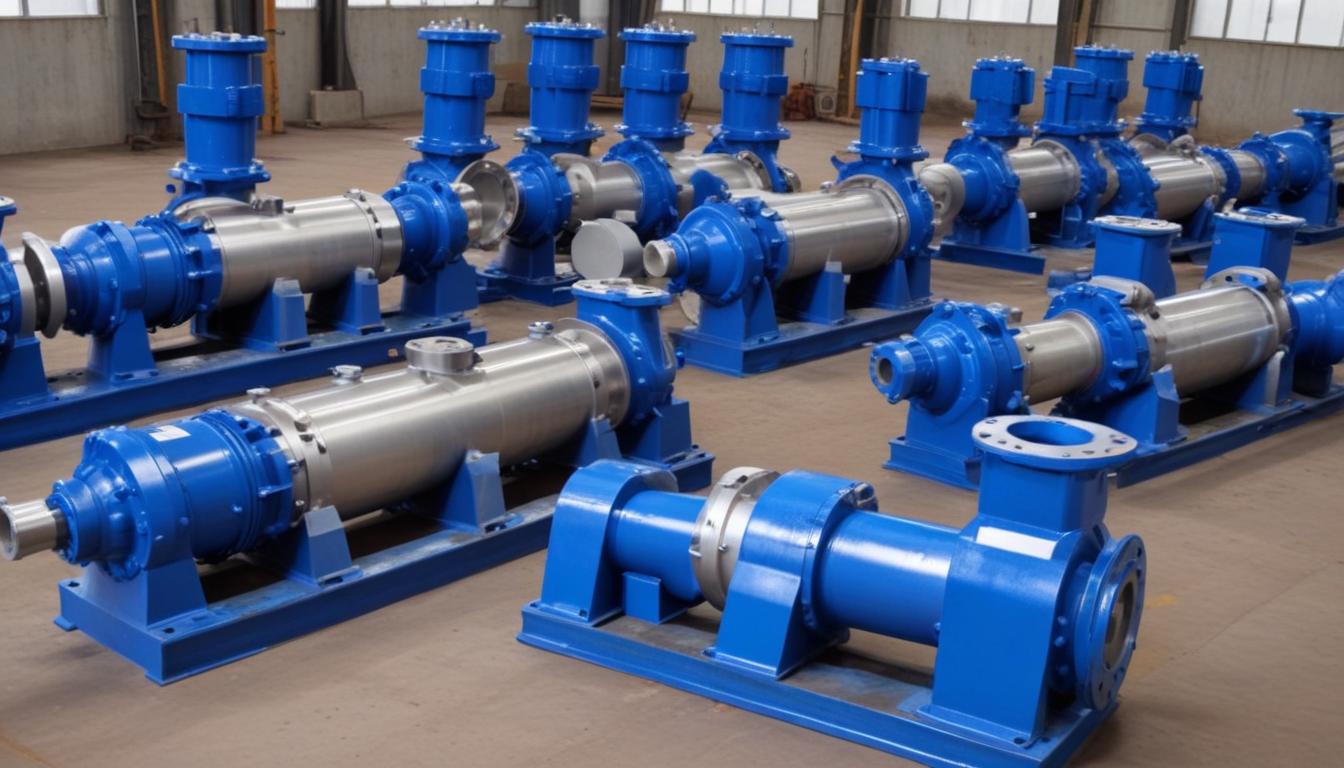
Performance analysis of progressive cavity pumps in manufacturing is essential to understanding their operational efficacy and reliability. Various metrics are analyzed to evaluate how these pumps perform under different conditions, including flow rate consistency, energy efficiency, and maintenance needs. Case studies highlight numerous benefits through quantitative data that reinforces their significance in driving manufacturing efficiency.
In several case studies, the flow rate stability of progressive cavity pumps has been a focal point. For example, a chemical manufacturing facility reported an average flow rate deviation of less than 2% post-implementation, which allowed for precise batching of materials. This consistency is vital in applications where exact dosages are necessary, such as in pharmaceuticals and food processing where ingredient integrity must be maintained.
Another important performance metric is energy consumption. Numerous installations have demonstrated that progressive cavity pumps consume up to 30% less energy compared to traditional pumps when moving the same volume of viscous fluids. This reduction not only lowers operating costs but also lessens the environmental footprint of the manufacturing process.
Moreover, maintenance frequency and downtime were significantly reduced in case studies where progressive cavity pumps were integrated. In one instance, a food processing plant reported a 50% decrease in maintenance-related downtime after switching to progressive cavity pumps. This was attributed to their robust design and lower maintenance requirements, leading to increased overall productivity and operational reliability.
| Performance Metric | Percentage Improvement | Case Study Reference |
|---|---|---|
| Flow Rate Consistency | Less than 2% deviation | Chemical Manufacturing |
| Energy Consumption | Up to 30% reduction | Oil and Gas Sector |
| Maintenance Downtime | 50% decrease | Food Processing |
Furthermore, a notable aspect of performance analysis is the adaptability of these pumps to various operational conditions. In a series of tests conducted across different manufacturing processes, progressive cavity pumps demonstrated the capability to handle fluid viscosity changes seamlessly, maintaining performance levels even as conditions fluctuated. This adaptability is particularly crucial in industries like oil and gas, where variations in crude oil properties are common.
Through a combination of detailed performance metrics and reliability observations from extensive case studies, it is clear that progressive cavity pumps provide substantial enhancements in manufacturing processes. They not only meet but often exceed the operational demands placed upon them, making them an invaluable asset in modern manufacturing environments.
Future trends in progressive cavity pump technology
As the manufacturing industry continues to evolve, the future of progressive cavity pumps looks promising with advancing technology and innovative designs. Key trends are shaping how these pumps are optimized for even greater efficiency, reliability, and versatility in various applications.
One prominent trend is the integration of IoT (Internet of Things) technology into pump systems. Smart sensors embedded within progressive cavity pumps can monitor performance parameters in real-time, facilitating data-driven decisions and predictive maintenance. This allows for early detection of potential issues, reducing unplanned downtimes and enhancing operational efficiency. For instance, a facility implementing IoT technology reported a significant decrease in maintenance costs while increasing overall equipment effectiveness.
Another trend is the focus on sustainability and energy efficiency. As industries strive to reduce their environmental impact, manufacturers are increasingly seeking pumps that operate efficiently while consuming less energy. Progressive cavity pumps are being designed with features that enhance their energy efficiency, leading to lower operational costs and a smaller carbon footprint. Initiatives such as these align with global efforts toward more sustainable manufacturing practices.
Additionally, advancements in material science are contributing to the future of progressive cavity pumps. The development of more resilient materials enhances the durability of pumps, allowing them to withstand harsher operating conditions and greater wear from abrasive substances. These materials not only prolong the lifespan of the pumps but also reduce maintenance frequency, aligning with the industry’s quest for durability and reliability.
The growth of automation in manufacturing is also impacting progressive cavity pump technologies. Automated systems can optimize pump operations by adjusting flow rates dynamically based on real-time feedback from production processes. This adaptability is essential for modern manufacturing environments where demand fluctuations are common. With better control over operational parameters, manufacturers can achieve improved product quality and consistency.
Furthermore, the exploration of advanced pump designs, such as modular and customizable systems, is set to enhance the adaptability of progressive cavity pumps. These designs allow for easier integration with existing manufacturing setups and provide flexibility to modify pump configurations based on specific application needs. Engineers are keenly interested in modular designs as they simplify upgrades and maintenance, making facilities more agile in their operations.
Moreover, the rise of digital twins—virtual models that simulate real-world operations—offers a valuable tool for engineers utilizing progressive cavity pumps. By creating a digital counterpart of the pump system, manufacturers can experiment with different configurations, analyze performance metrics, and predict outcomes without the risks associated with physical trials. This technology not only promotes innovation but also ensures that manufacturers can make informed decisions that enhance overall efficiency.
The landscape of progressive cavity pumps in manufacturing is undergoing transformational changes driven by advancements in technology, materials, and product design. These emerging trends promise to elevate the performance of progressive cavity pumps, ensuring they remain a vital component in achieving operational excellence across diverse manufacturing sectors.
