
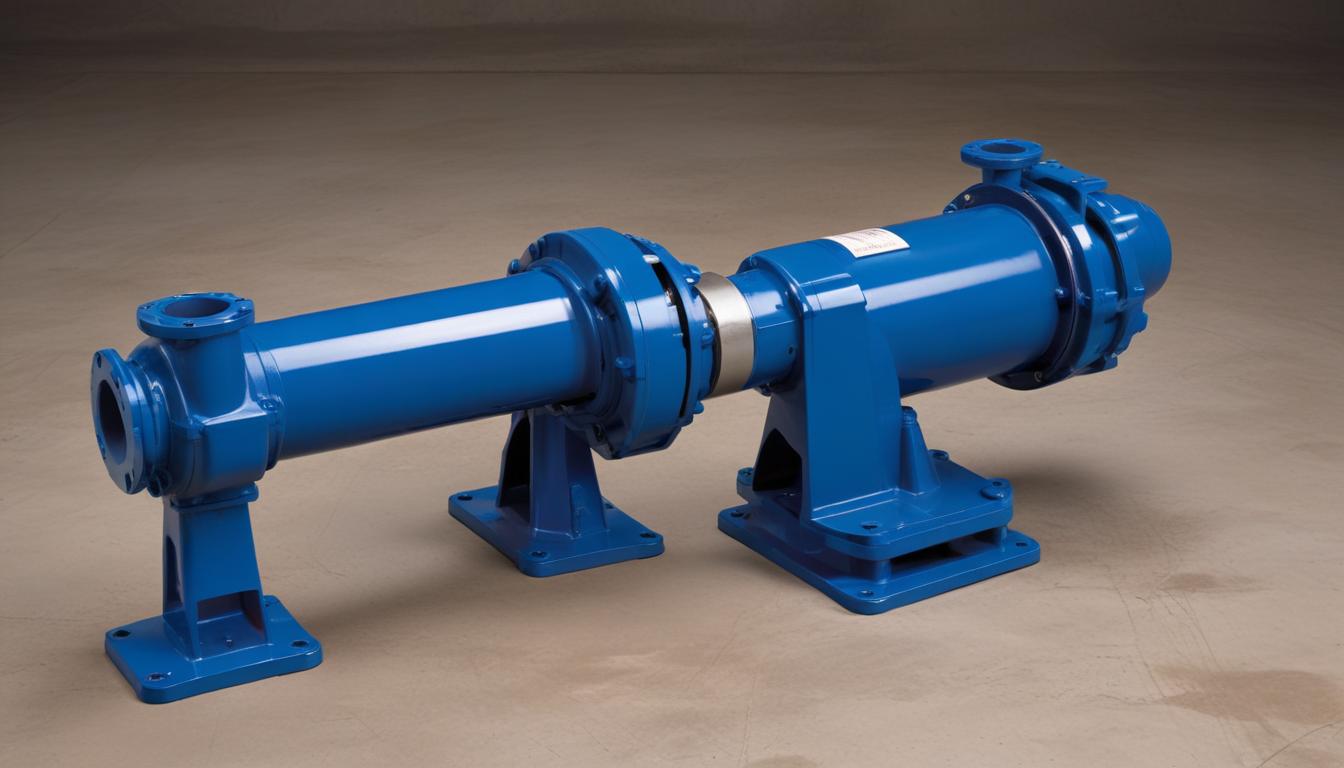
Retrofitting options for older models of progressive cavity pumps
Retrofitting older progressive cavity pumps involves several critical steps to enhance their efficiency and extend their operational lifespan. As many industries rely on these pumps for various applications, the importance of keeping them updated with modern technology cannot be overstated. The process begins with a comprehensive assessment of the existing pump to identify any inefficiencies or wear that may be impacting performance. This evaluation typically includes flow rate measurements, pressure readings, and vibration analysis to determine the operational condition of the pump.
Once performance metrics have been gathered, engineers can explore various retrofitting options tailored to the specific configuration of the older models. Typical upgrades include the implementation of advanced sealing technologies, wear-resistant materials, and energy-efficient motors. These enhancements not only improve the overall efficiency of the pump but also address common issues such as fluid leakage and power consumption.
Retrofitting can also integrate sophisticated monitoring systems that provide real-time data and predictive maintenance alerts, ensuring the longevity of the pump while minimizing unplanned downtimes. By carefully considering the specific needs of their operations, users can make informed decisions on which retrofitting solutions will provide the most significant benefits.
Ultimately, the decision to retrofit older progressive cavity pumps can lead to substantial improvements in performance and reliability, making it a worthwhile investment for many organizations in pursuit of operational excellence.
Evaluation of existing pump performance
The evaluation of existing pump performance is a vital step in the retrofitting process for older progressive cavity pumps. This assessment provides a clear picture of the pump’s operational efficiency and helps identify areas that require improvement. Key parameters to analyze include flow rate, pressure, temperature, and vibration levels. Each of these factors contributes to a comprehensive performance profile that can direct subsequent retrofitting efforts.
To measure the flow rate, engineers typically employ a flow meter to ascertain how much fluid the pump is handling over a specified period. This data helps to evaluate if the flow meets the designated requirements for operational tasks. For pressure readings, gauges installed on the discharge and suction sides of the pump can indicate whether the system is working efficiently or if there are blockages or leaks affecting performance.
- Flow Rate: Ensures the pump meets required operational specifications.
- Pressure Readings: Detects issues that could indicate system inefficiencies.
- Temperature Analysis: Monitors the heat generation within the pump, which could lead to failure.
- Vibration Analysis: Identifies mechanical issues such as misalignment or imbalance.
Vibration analysis is another critical aspect, as it can uncover underlying mechanical issues that are not immediately visible. In some cases, a standard vibration meter can provide enough data, but more advanced methodologies such as frequency analysis can reveal specific faults that may require action. A well-conducted vibration analysis will compare current readings with baseline measurements to reveal changes that need to be addressed.
After the initial performance evaluation, engineers can compile a detailed report which highlights any deficiencies in the pump’s operation. This report will serve as a foundation for determining which retrofitting options are most appropriate. It is important for users to understand that the evaluation must take into account the unique operational environment of the pumps, including the type of fluids being handled and the specific application requirements. By tailoring the retrofitting process to the results of this evaluation, organizations can maximize the potential for enhancing the performance and lifespan of their older models of progressive cavity pumps.
Technological advancements in retrofitting
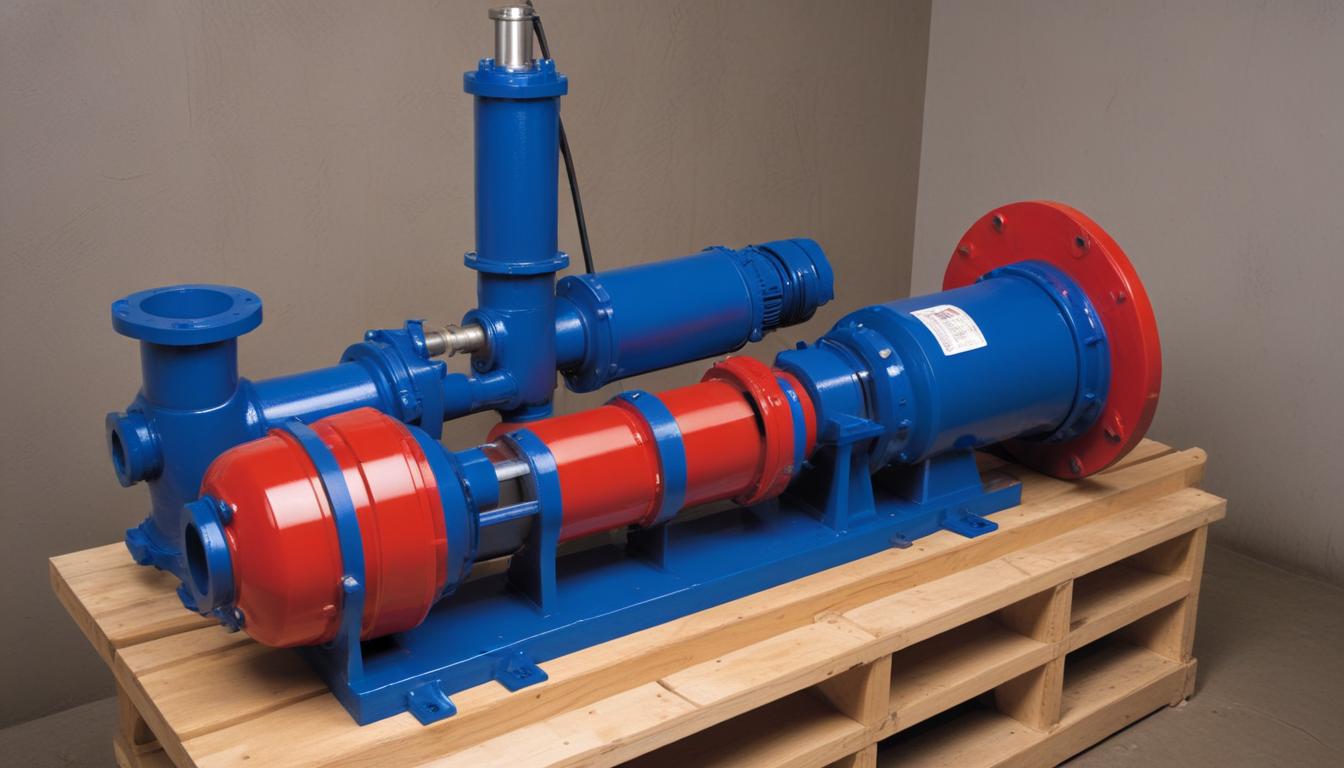
Recent advancements in retrofitting technology have transformed the potential for upgrading older models of progressive cavity pumps. Innovative solutions are now available to enhance performance, efficiency, and reliability, enabling these pumps to meet the evolving demands of various industrial applications. Among the significant technological improvements are smart monitoring systems, advanced sealing solutions, and data analytics, which allow for real-time performance tracking and predictive maintenance.
Smart monitoring systems are instrumental in retrofitting efforts, providing continuous assessment of pump conditions. By integrating sensors that monitor parameters such as flow rate, pressure, temperature, and vibration, operators can receive alerts regarding deviations from optimal performance. This level of monitoring assists in identifying potential issues before they escalate, ultimately reducing downtime and maintenance costs.
Moreover, upgrading to advanced sealing solutions can significantly reduce leakage, a common issue in older progressive cavity pumps. Materials such as modern elastomers, PTFE, and composite materials are being utilized to enhance the durability and effectiveness of seals. These improvements not only extend the life of the pump components but also contribute to a healthier operational environment by minimizing fluid loss.
Another promising trend in retrofitting older models is the incorporation of data analytics. Through the use of machine learning algorithms, engineers can analyze historical and real-time data to optimize pump operations. This can lead to a predictive maintenance schedule that aligns with the pump’s specific performance history, allowing users to perform maintenance during planned outages rather than spontaneous stops, which can disrupt production.
In addition to these advancements, customizability has become a focal point in retrofitting. Modular components that can be easily integrated with existing systems provide flexibility in addressing specific operational challenges. For instance, changing impeller designs or adapting the rotor geometry allows for tailored solutions that can improve flow characteristics for different fluids.
- Smart Monitoring Systems: Enhanced real-time tracking of pump conditions.
- Advanced Sealing Solutions: Minimization of leakage with durable materials.
- Data Analytics: Optimized operations through predictive maintenance models.
- Modular Components: Flexibility in customizing upgrades to suit unique requirements.
The integration of these technological advancements into the retrofitting process not only enhances the performance of older progressive cavity pumps but also ensures that they remain competitive in today’s demanding operational environments. By adopting these innovations, users can achieve significant improvements in pump reliability and efficiency, leading to reduced operational costs and increased productivity.
Materials and components for upgrades
When considering retrofitting older models of progressive cavity pumps, choosing the right materials and components is crucial for achieving optimal performance and longevity. Upgrades can include a variety of innovative solutions aimed at addressing common issues encountered in these pumps over time. The selection of high-quality materials not only enhances the pump’s efficiency but also ensures reliable operation under demanding conditions.
One key area of focus in retrofitting is the implementation of wear-resistant materials. Progressive cavity pumps often face significant wear due to abrasive substances and harsh operating environments. Materials such as wrought alloys, ceramic coatings, and high-density polyethylene can improve the durability of critical components like the stator and rotor. These materials resist abrasion and prolong the lifespan of the pump, resulting in decreased maintenance costs and downtime.
Furthermore, advanced sealing technologies play an essential role in enhancing the performance of older pumps. Upgrading to dynamic seals made from advanced elastomers and non-contact seals can significantly reduce leakage, which is a prevalent concern in aged models. The use of PTFE seals, for example, offers a chemical-resistant solution that provides superior performance in a wide range of environmental conditions.
| Component | Material Options | Benefits |
|---|---|---|
| Stator | Wrought Alloys, Ceramic Coatings | Increased wear resistance, longer lifespan |
| Rotor | High-Density Polyethylene, PTFE | Improved chemical resistance, reduced leakage |
| Seals | Advanced Elastomers, Non-Contact Seals | Lower environmental impact, enhanced sealing efficiency |
Another innovative upgrade involves replacing existing motors with energy-efficient drive systems. Older models may utilize outdated motor technology that results in higher energy consumption. By retrofitting to modern, variable frequency drive (VFD) systems, users can optimize energy usage while ensuring precise control of flow rates and pressures. This not only supports sustainability initiatives but also helps reduce operational costs significantly.
- Energy-efficient Drives: Reduce power consumption and costs.
- Wear-resistant Materials: Prolong component life and decrease maintenance frequency.
- Advanced Sealing Technologies: Minimize leakage and improve operational reliability.
Lastly, incorporating smart technology into retrofitting projects can significantly enhance pump operations. Sensors and monitoring devices that provide real-time data on performance parameters allow for proactive maintenance. By utilizing this data, users can identify potential issues before they impact production, resulting in improved operational efficiency. The integration of such technology can thereby transform older pumps into highly efficient and reliable machinery suitable for modern industrial applications.
Selecting the right materials and components for retrofitting older progressive cavity pumps is essential for maximizing efficiency and operational lifespan. Through the use of advanced materials, innovative sealing technologies, energy-efficient motors, and intelligent monitoring systems, users can effectively upgrade their pumps to meet current industry demands and standards.
Case studies of successful retrofitting implementations
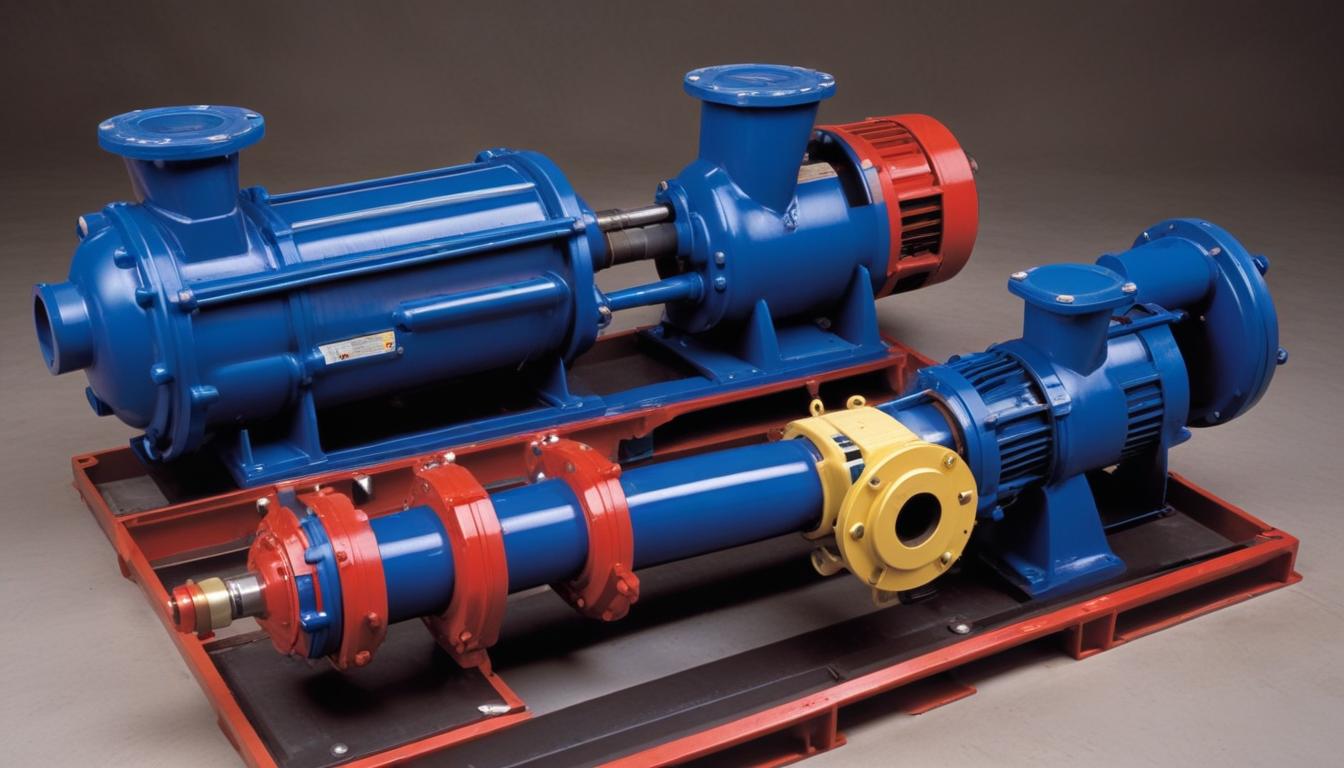
Successful retrofitting implementations for older models of progressive cavity pumps demonstrate the effectiveness of integrating modern solutions into traditional systems, resulting in enhanced operational performance and reliability. Several case studies highlight how various industries have benefited from targeted upgrades, addressing specific challenges faced by outdated pump models.
One notable example comes from the wastewater management sector, where an aging fleet of progressive cavity pumps was frequently experiencing performance inefficiencies and increased maintenance costs. After a thorough evaluation, engineers identified wear and leakage issues primarily caused by outdated sealing technologies. The retrofit involved upgrading to advanced elastomer seals and implementing smart monitoring systems that track real-time performance metrics.
The results were significant. The incorporation of these new seals reduced leakage by over 30%, while the monitoring systems alerted operators to potential issues before they became serious problems. This proactive approach decreased unplanned downtime and extended the operational life of the pumps by an estimated 20%. The energy savings from reduced leaks and improved efficiency led to a cost reduction of approximately 15% in annual operational expenses.
A case study from the food processing industry also illustrates the benefits of retrofitting older models. A facility utilizing progressive cavity pumps for handling viscous materials faced frequent breakdowns and contamination risks. By retrofitting with high-density polyethylene rotors and advanced sealing solutions, the risk of wear and material breakdown was significantly minimized. The retrofit enhanced the chemical resistance of the pumps, reducing maintenance frequency and ensuring compliance with stringent hygiene standards.
- Decreased Maintenance Costs: Upgrading to new materials ensured pumps operated longer between maintenance intervals.
- Improved Compliance: Enhanced seals minimized contamination risks, ensuring adherence to food safety regulations.
This facility noted a 40% reduction in downtime, translated into improved production capacity and product quality. Continuous monitoring systems were also installed, allowing operators to adjust parameters dynamically, further optimizing the pump performance according to real-time operational demands.
In the oil and gas industry, another compelling case involved a series of progressive cavity pumps that were over a decade old and failing to meet current efficiency standards. Engineers performed a comprehensive performance evaluation and discovered that outdated motor technology was significantly impacting power consumption. The retrofitting process included replacing these motors with energy-efficient VFD systems and retrofitting wear-resistant materials on critical components.
| Industry | Challenges | Retrofit Solutions | Results |
|---|---|---|---|
| Wastewater Management | Leakage, Maintenance Costs | Advanced Sealing Technologies, Smart Monitoring | 30% Leakage Reduction, 15% Cost Savings |
| Food Processing | Breakdowns, Contamination | High-Density Rotors, Advanced Seals | 40% Downtime Reduction, Compliance Improved |
| Oil and Gas | Power Consumption | Energy-Efficient Motors, Wear-Resistant Materials | Increased Efficiency, Longer Lifespan |
As a result of these upgrades, the oil and gas facility reported an impressive increase in overall pump efficiency, along with a significant reduction in energy consumption by up to 25%. The durability of the retrofitted components extended the operational life of the pumps, ensuring they remained productive in a demanding environment.
Collectively, these case studies reflect the potential of retrofitting as a strategic investment in extending the life and enhancing the performance of older progressive cavity pumps. By leveraging modern technology and innovative materials, organizations across various industries are achieving improved operational efficiency, significant cost savings, and enhanced reliability, ultimately leading to a robust return on investment.
Cost-benefit analysis of retrofitting options
The cost-benefit analysis of retrofitting options for older progressive cavity pumps is a crucial element in determining the financial viability and overall value derived from such investments. The analysis not only aids in understanding the upfront costs associated with retrofitting but also highlights the long-term savings and efficiency gains that can be achieved. A thorough examination requires careful consideration of various factors, including initial expenses, potential savings, and return on investment (ROI).
To begin with, the initial investment for retrofitting includes costs associated with technology upgrades, component replacement, and potential installation fees. These expenses can vary significantly based on the current state of the pump and the specific retrofitting solutions implemented. For example, upgrading to energy-efficient motors or implementing smart monitoring systems may require a higher capital outlay initially but can result in substantial savings through reduced energy consumption and maintenance needs over time.
- Initial Costs: Include technology upgrades, new components, and installation fees.
- Long-term Impact: Analyzing the relationship between initial investment and operational efficiency gains.
- Component Replacement: Upgrading to durable materials impacts upfront costs but enhances lifespan.
Next, the operating cost savings must be calculated. Retrofitting can lead to improved efficiency, which translates into lowered energy bills, reduced maintenance costs, and fewer production interruptions. For instance, replacing outdated components or enhancing sealing systems can decrease leakage rates and improve pump performance, resulting in an estimated cost reduction of 10% to 30% in annual operating expenses. Additionally, advanced data analytics may assist in predicting maintenance needs, which further enables organizations to allocate resources more effectively and minimize unexpected downtimes.
| Cost Factor | Before Retrofitting | After Retrofitting | Annual Savings |
|---|---|---|---|
| Energy Consumption | $20,000 | $15,000 | $5,000 |
| Maintenance | $10,000 | $7,000 | $3,000 |
| Total | $30,000 | $22,000 | $8,000 |
The potential for increased productivity also plays a significant role in the cost-benefit analysis. By minimizing downtime and improving the reliability of the pumps, organizations can enhance overall production capabilities. This aspect is essential in industries where time is critical, as it allows for more consistent output and less disruption to production schedules. For example, a facility implementing real-time monitoring techniques can make timely adjustments that lead to optimal flow rates, further maximizing productivity.
Finally, it is important to assess the return on investment (ROI). This metric should consider both tangible and intangible benefits derived from retrofitting efforts. A straightforward calculation can be performed by dividing the total annual savings by the total cost of the retrofit project. Organizations often see an ROI of 2 to 5 years depending on the scale of the retrofitting operations. Furthermore, less quantifiable benefits such as enhanced employee satisfaction due to reduced maintenance responsibilities and improved operational reliability should also be factored into the overall evaluation.
- Calculate Total Savings: Sum up all savings from reduced energy and maintenance costs.
- Assess ROI: Determine recovery time on the initial investment through calculated gains.
- Factor In Intangible Benefits: Include employee satisfaction and enhanced production capabilities.
The cost-benefit analysis of retrofitting older progressive cavity pumps requires a meticulous approach to understand the financial and operational impacts. By weighing the initial investment against long-term savings and enhanced productivity, organizations can make informed decisions that ultimately lead to increased operational efficiency and longevity of their equipment.
