
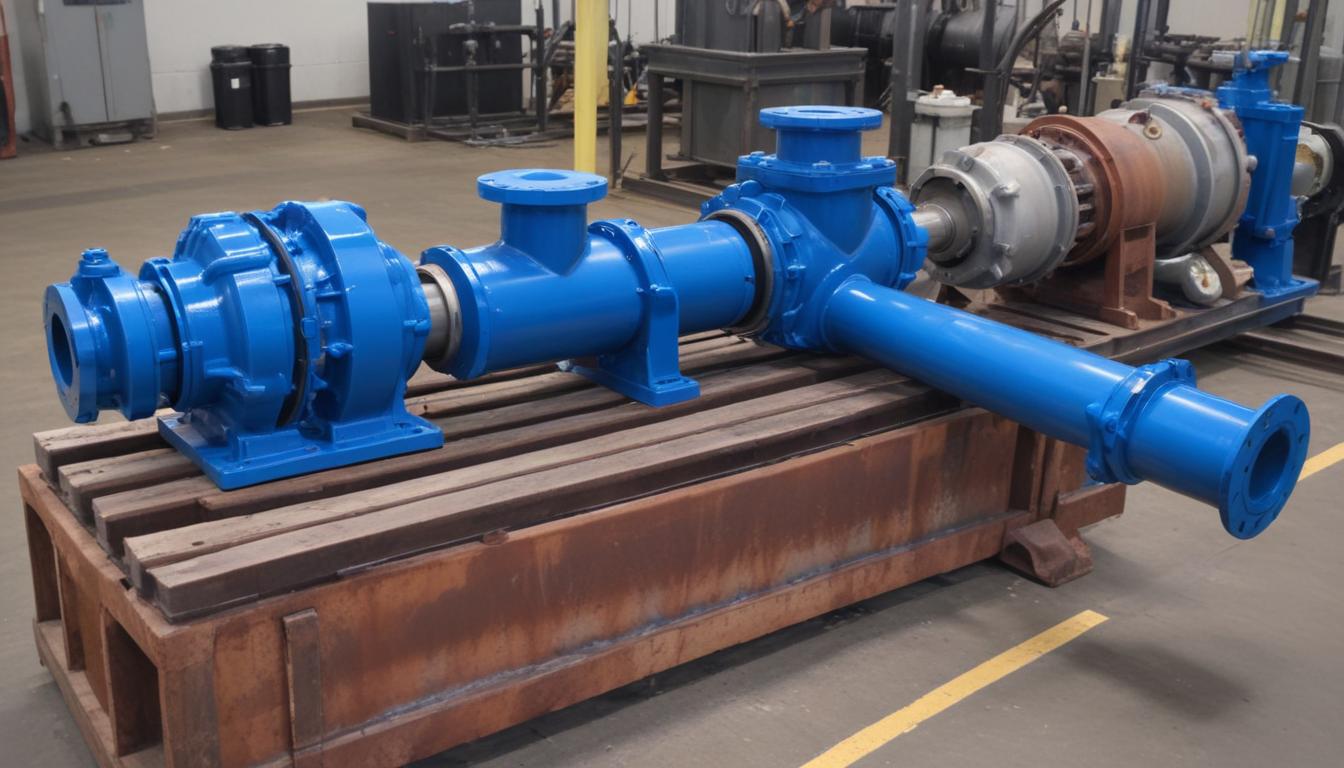
Sustainable practices in progressive cavity pump manufacturing
In the realm of progressive cavity pump manufacturing, the implementation of sustainable practices is paramount to not only enhance production efficiency but also minimize environmental impact. The adoption of greener methods in the manufacturing process ensures that companies can meet the growing demand for eco-friendly solutions without compromising on quality or performance.
Key sustainable practices in this sector include:
- Material Selection: Utilizing recycled and bio-based materials in the production of pump components helps in reducing waste and the carbon footprint associated with traditional manufacturing.
- Waste Reduction Techniques: Implementing lean manufacturing principles aids in minimizing waste throughout the production process, allowing for more efficient use of resources.
- Water Conservation: Manufacturing facilities are increasingly employing water recycling systems and rainwater harvesting to mitigate the use of freshwater resources during production.
- Energy Efficient Machinery: Upgrading to energy-efficient machines considerably lowers energy consumption during the manufacturing of progressive cavity pumps.
Moreover, many manufacturers are investing in renewable energy sources, such as solar or wind power, to drive their operations. This shift not only reinforces their commitment to sustainability but also significantly reduces operational costs over time.
By embracing these sustainable practices, progressive cavity pump manufacturers can contribute to a more sustainable future while simultaneously ensuring that their products remain highly competitive in the global market.
Overview of progressive cavity pump technology
Progressive cavity pumps are a type of positive displacement pump widely recognized for their ability to handle a variety of fluids, including those with high viscosity and solids. The key component of these pumps is the helical rotor and stator configuration, which enables them to provide a smooth, continuous flow regardless of changes in pressure or fluid characteristics. This design is particularly advantageous in industries such as wastewater treatment, food processing, and chemical manufacturing, where consistent flow rates and reliable performance are crucial.
The operational principle of progressive cavity pumps involves the rotor turning within the stator to create cavities that move the fluid through the pump. This mechanism allows for a gentle pumping action, minimizing shear and ensuring the integrity of sensitive substances. As a result, progressive cavity pumps are often employed in applications where maintaining product quality is essential. Their versatility also makes them effective in transferring not only liquids but also slurries and pastes.
In terms of efficiency, progressive cavity pumps are designed to operate with low energy consumption, which is a significant benefit in terms of both sustainability and cost-effectiveness. To further enhance their environmental profile, manufacturers are focusing on several advanced features:
- Self-Priming Capabilities: Many progressive cavity pumps come equipped with self-priming functions that reduce the need for auxiliary systems and contribute to simpler setup and operation.
- Variable Speed Drives: The integration of variable speed drives allows operators to adjust the pump’s performance according to real-time needs, resulting in improved energy efficiency and reduced wear on components.
- Durable Construction: Pumps made with high-quality materials and protective coatings extend service life, thereby decreasing waste and the frequency of replacements.
Moreover, advancements in monitoring technology, such as IoT and smart sensors, enable continuous performance tracking. This immediate access to operational data can help identify inefficiencies or potential issues, allowing for proactive maintenance and optimization of pump performance, further underscoring the importance of utilizing progressive cavity pumps in various industrial applications.
Environmental impact of traditional manufacturing methods

The environmental impact of traditional manufacturing methods for progressive cavity pumps is significant, primarily due to the energy-intensive processes and the use of non-renewable resources. Traditional manufacturing often relies on conventional materials and energy sources, which contribute to greenhouse gas emissions and deplete finite natural resources. The predominant methods in this sector can lead to a range of environmental complications, which necessitate a closer examination and reevaluation of current practices.
One major concern is the high carbon footprint associated with the extraction and processing of raw materials. The manufacturing of components for progressive cavity pumps typically uses metals and plastics that require substantial energy for production. This not only results in considerable energy consumption but also in the release of pollutants during the extraction and refining phases. Table 1 provides a breakdown of emissions associated with traditional materials used in pump production:
| Material | Carbon Emissions (kg CO2/kg) |
|---|---|
| Aluminum | 8.0 |
| Steel | 1.8 |
| Polyethylene | 6.0 |
In addition to material emissions, the energy consumption during the manufacturing process cannot be overlooked. Traditional methods often utilize fossil fuels, which contributes to further environmental degradation. According to industry reports, typical manufacturing facilities can consume upwards of 100 MWh per month, primarily fueled by non-renewable energy sources. This high energy demand not only elevates operating costs but also exacerbates the carbon footprint of progressive cavity pumps.
The disposal of waste generated during manufacturing is another pressing issue. Many factories produce significant amounts of scrap materials, which are often not recycled. To address waste management challenges, manufacturers must consider the lifecycle of their products, emphasizing the importance of sustainable practices. In fact, statistics indicate that approximately 30% of materials used in traditional manufacturing processes end up as waste, underscoring the need for improved resource utilization.
Moreover, toxic substances used in coatings and finishes can leach into the environment if not properly managed, posing health risks to workers and surrounding communities. The environmental implications extend beyond operational boundaries, affecting entire ecosystems and potentially impacting regulatory compliance, leading to increased legal and financial penalties for manufacturers.
To combat these issues, it is vital for manufacturers of progressive cavity pumps to adopt alternative, eco-friendly practices. Implementing sustainable approaches can drastically reduce the environmental footprint associated with traditional methods and ensure compliance with stringent regulations. Transitioning towards renewable energy sources, embracing circular economy principles, and prioritizing waste reduction can pave the way for more responsible manufacturing practices, ultimately contributing to a healthier planet.
Innovative sustainable materials and processes
In the quest for enhanced sustainability within the manufacturing of progressive cavity pumps, the exploration and application of innovative sustainable materials, along with refined processes, plays a critical role. As the industry gravitates towards eco-friendliness, manufacturers are increasingly turning to alternative materials that not only reduce environmental impacts but also maintain, if not enhance, the performance of their products.
One of the most promising trends is the incorporation of biodegradable materials in the production of pump components. These materials, derived from natural sources, can significantly lower the carbon footprint associated with traditional plastics and synthetics. For instance, using bio-resins instead of petroleum-based plastics can reduce greenhouse gas emissions during both production and disposal stages.
An example of innovative material use is the adoption of recycled metals. By utilizing recycled aluminum and steel, manufacturers dramatically diminish the energy expenditure linked to extraction and production of virgin materials. The benefits of such practices are multi-fold, encompassing reductions in raw material waste and energy consumption. Table 2 displays a comparison of environmental impacts between virgin and recycled materials:
| Material Type | Energy Consumption (MWh/kg) | Carbon Emissions (kg CO2/kg) |
|---|---|---|
| Virgin Aluminum | 14.0 | 8.0 |
| Recycled Aluminum | 0.5 | 0.5 |
Complementing the use of sustainable materials, advanced manufacturing processes are being developed to enhance efficiency and sustainability. Techniques such as additive manufacturing or 3D printing allow for precise material usage, reducing waste during production. These processes promote innovative designs that can be tailored for specific applications while minimizing excess material use.
Additionally, the application of green chemistry principles in surface coatings and treatments minimizes the use of harmful chemicals typically associated with traditional manufacturing. By utilizing water-based or solvent-free finishes, manufacturers can achieve high-quality surfaces without compromising worker safety or environmental health.
Moreover, the implementation of closed-loop processes in manufacturing not only eliminates waste but also facilitates the reuse of materials. This approach optimizes resource utilization while reinforcing the principles of a circular economy. Companies committed to sustainable practices are integrating these systems, ensuring that materials are reclaimed, recycled, or repurposed effectively throughout the life cycle of their products.
Through the integration of these innovative materials and processes, progressive cavity pump manufacturers can significantly enhance their sustainability profile, aligning with global initiatives aimed at reducing environmental impact. The continuous evolution of sustainable practices in manufacturing serves to guarantee that the industry not only thrives but also contributes positively to environmental stewardship.
Energy efficiency in pump production

Energy efficiency in pump production is a critical component in the quest for sustainable manufacturing practices within the progressive cavity pump industry. With traditional manufacturing methods often characterized by high energy consumption, the push for innovative solutions is vital not only for reducing operating costs but also for decreasing the overall environmental footprint associated with pump manufacturing.
One significant approach to enhancing energy efficiency is through the integration of automation technologies. By implementing advanced control systems and real-time monitoring, manufacturers can optimize energy use during production. This approach allows for the identification of energy-intensive processes and facilitates adjustments that can lead to substantial savings. For instance, energy consumption can be continually assessed, leading to operational improvements that minimize waste.
Moreover, variable frequency drives (VFDs) are being employed to manage the speed of electric motors used in manufacturing machinery. By operating motors at the optimal speed required for specific tasks, VFDs can significantly reduce energy consumption, often achieving savings of 20-50%. This energy-efficient approach not only extends the lifespan of machinery but also contributes to lower electricity costs and a reduced carbon footprint, aligning with broader sustainability goals.
Manufacturers are also transitioning to renewable energy sources, such as solar and wind power, for their operations. By investing in on-site renewable energy systems, companies can offset their reliance on fossil fuels and significantly diminish greenhouse gas emissions associated with energy consumption. Such investments have shown to improve energy security and insulate manufacturers from volatile energy prices in the long term.
In addition, the adoption of energy-efficient tooling and machinery is gaining traction. Upgrading outdated equipment to more modern, energy-efficient models is an effective way to cut down energy usage. These new machines utilize advanced technologies that optimize performance while consuming less energy, which not only benefits the environment but also enhances the overall productivity of manufacturing operations.
Further supporting energy efficiency, many manufacturers are engaging in energy audits and assessments to evaluate their energy consumption patterns. These audits provide critical insights into areas where energy is wasted and highlight opportunities for improvement. As a result, companies can develop tailored energy management strategies that are aligned with their specific manufacturing processes and goals, ensuring a focused approach towards sustainability.
To illustrate the impact of energy-efficient practices, Table 1 showcases potential energy reductions achieved through the implementation of various strategies in pump manufacturing:
| Energy Efficiency Measure | Potential Energy Reduction (%) |
|---|---|
| Variable Frequency Drives | 20-50 |
| Renewable Energy Integration | 30-40 |
| Modern Energy-Efficient Equipment | 15-25 |
| Conducting Energy Audits | 10-20 |
Through these collective efforts, the progressive cavity pump manufacturing industry is positioned to become a leader in energy efficiency, markedly reducing its environmental impact while ensuring that pumps meet both operational and sustainability goals. Embracing energy-efficient technologies not only improves competitiveness in the market but also aligns with global initiatives focused on achieving a sustainable future.
Future trends in sustainable manufacturing practices
As the demand for sustainable practices in manufacturing continues to rise, the future trends in the production of progressive cavity pumps are set to embrace various innovative approaches aimed at enhancing environmental accountability and operational effectiveness. One of the key trends includes the adoption of digital twin technology, which allows manufacturers to create a virtual replica of physical pump systems. This technology enables real-time analysis, optimization, and simulation of operations, leading to significant improvements in efficiency and reduced resource usage.
Furthermore, the integration of Artificial Intelligence (AI) and machine learning algorithms is being explored to enhance smart manufacturing capabilities. These tools can predict maintenance needs and optimize manufacturing processes based on historical data analysis. This predictive maintenance approach minimizes downtime and works towards extending the lifespan of progressive cavity pumps, while simultaneously lowering energy consumption and waste production.
Manufacturers are also looking into advanced supply chain optimization strategies. By utilizing data analytics, producers can enhance sourcing, logistics, and inventory management to minimize excess materials and expedite delivery times. Streamlining processes in this manner not only reduces costs but also diminishes the environmental impact associated with transportation and production inefficiencies.
In addition, there is a growing trend towards the use of circular economy principles in pump manufacturing. This approach emphasizes recycling and reusing materials at the end of the product lifecycle. Manufacturers are exploring partnerships with suppliers to establish closed-loop systems, where reclaimed materials are reintegrated into the production process, further enhancing sustainability efforts.
Moreover, evolving regulations and increasing consumer demand for environmentally friendly products are driving companies to prioritize transparency in their manufacturing processes. Adopting life cycle assessments (LCA) to evaluate the environmental impacts of progressive cavity pumps from production through disposal stages is becoming a standard practice. These assessments provide critical insights into how manufacturing practices can be improved, ensuring compliance with environmental standards and fostering greater consumer trust.
Finally, the focus on employee training and engagement will play a vital role in facilitating sustainable practices within manufacturing environments. As organizations recognize the contributions of their workforce toward achieving sustainability goals, enhanced training programs aimed at promoting eco-conscious behaviors and operational efficiencies will be implemented. This cultural shift can drive innovation from the ground up, ensuring all employees are aligned with sustainability objectives.
The future of sustainable manufacturing in progressive cavity pumps is marked by digital transformation, innovative material usage, and enhanced operational practices that prioritize environmental stewardship. By embracing these trends, manufacturers can achieve functional excellence while simultaneously mitigating their ecological footprint.
