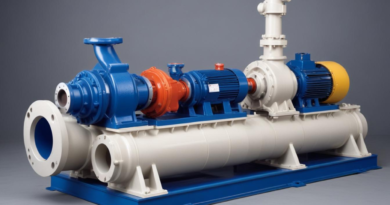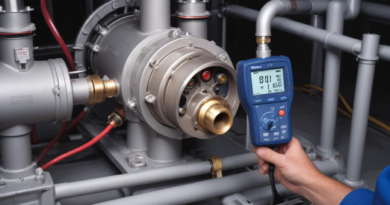
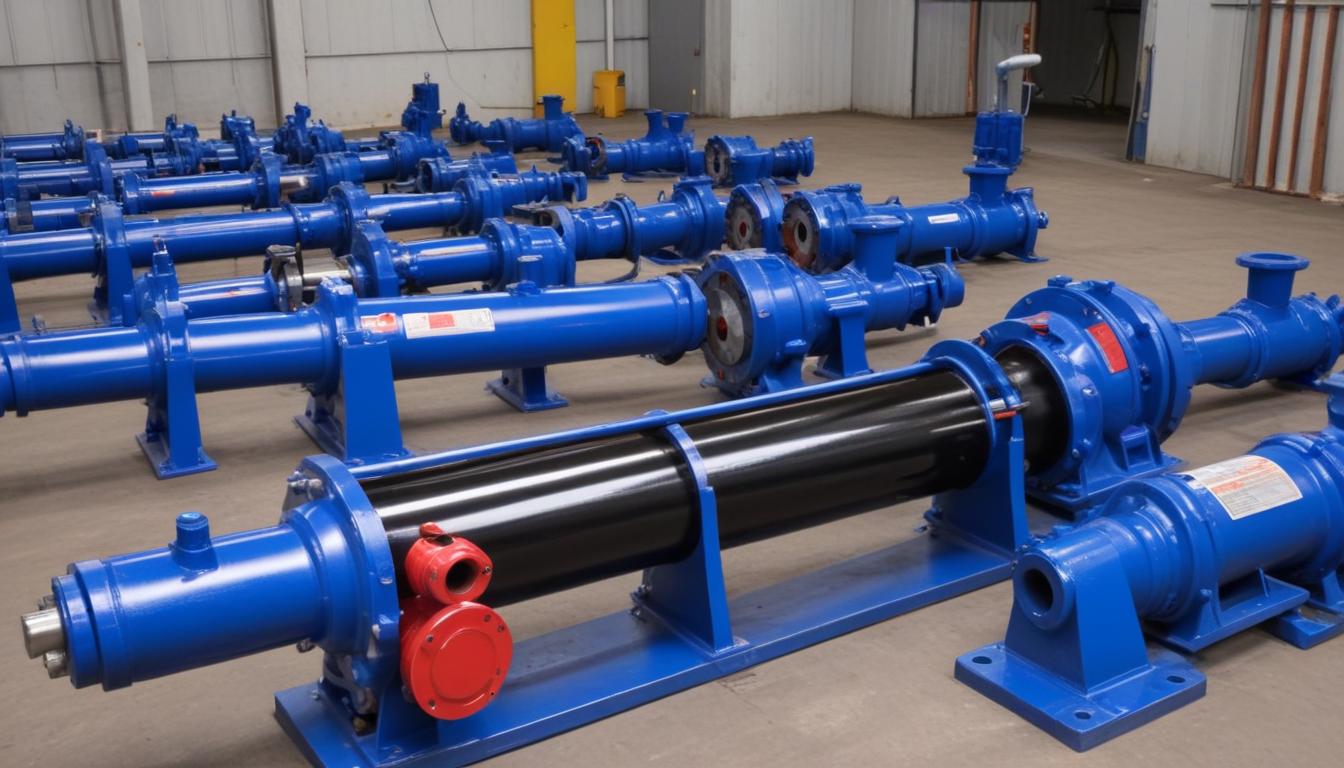
Meeting industry standards with progressive cavity pumps
Progressive cavity pumps are engineered to meet stringent industry standards established for various applications, including those in the oil and gas, wastewater treatment, and food processing sectors. These pumps are recognized for their ability to deliver consistent flow rates, which is paramount for compliance with regulations that demand reliability and precision in fluid handling.
To ensure compliance, manufacturers of progressive cavity pumps often undergo rigorous testing and certification processes that align with recognized standards, including ISO, API, and ASME guidelines. Such compliance not only provides assurance of quality but also enhances the pump’s suitability for critical applications where safety and efficiency are non-negotiable.
Progressive cavity pumps are designed with a unique rotor and stator configuration that allows them to handle a wide variety of fluids, including viscous and shear-sensitive materials. This design advantage aids in meeting the specific industry standards relevant to the properties of the fluids being pumped.
Key aspects of industry regulations often include:
- Quality Control: Ensuring that the pumps are manufactured under strict quality guidelines.
- Environmental Compliance: Adhering to standards that minimize environmental impact.
- Safety Regulations: Complying with regulations to ensure the safety of personnel operating the pumps.
Meeting these standards not only helps manufacturers maintain a competitive edge but also assures users that they are investing in technology that prioritizes performance and reliability. As industries evolve, so too do the compliance requirements, necessitating continual advancements in the design and materials of progressive cavity pumps to fulfill emerging regulatory demands.
In summary, the commitment of progressive cavity pump manufacturers to uphold industry standards reflects a dedication to reliable performance and safety in every operation, ensuring that these pumps remain integral components across various sectors.
Understanding progressive cavity pumps
Progressive cavity pumps operate on a principle that hinges on the interaction between a helical rotor and a stationary stator. This configuration facilitates the creation of a series of sealed chambers, which enables the positive displacement of fluid. As the rotor turns, it draws the fluid into these chambers, effectively transporting it through the system without causing significant shear that could damage sensitive materials. This design is particularly advantageous in applications where maintaining the integrity of the fluid is crucial.
The versatility of progressive cavity pumps is underscored by their ability to handle a broad spectrum of fluid viscosities, from low-viscosity liquids to highly viscous substances. This capacity allows them to seamlessly integrate into various processes, complying with the diverse requirements across different sectors. They can effectively convey abrasive, corrosive, and even non-Newtonian fluids, making them indispensable in environments that demand resilience and reliability.
Efficiency is a key benefit of employing progressive cavity pumps. Their design promotes low pulsation flow rates, which not only enhances system stability but also reduces wear on equipment. This efficiency translates into diminished operational costs and less frequent maintenance requirements, aligning with the high standards expected in today’s industrial environments.
When considering the selection of progressive cavity pumps, the following factors should be evaluated to ensure optimal performance and compliance with industry standards:
- Fluid Characteristics: Understand the physical and chemical properties of the fluid to select appropriate materials for the pump components.
- Operating Conditions: Assess temperature, pressure, and flow rate requirements to choose the right pump size and configuration.
- Application Specificity: Identify industry-specific demands that may affect compliance, such as regulatory standards for food safety or wastewater disposal.
The understanding of progressive cavity pumps and their operational principles provides engineers and pump users with the knowledge necessary to maximize their performance while adhering to the relevant standards. By leveraging the inherent advantages of progressive cavity pumps, stakeholders can ensure efficient fluid transfer that aligns with necessary regulatory compliance, ultimately contributing to enhanced operational effectiveness across various industries.
Key industry standards and regulations
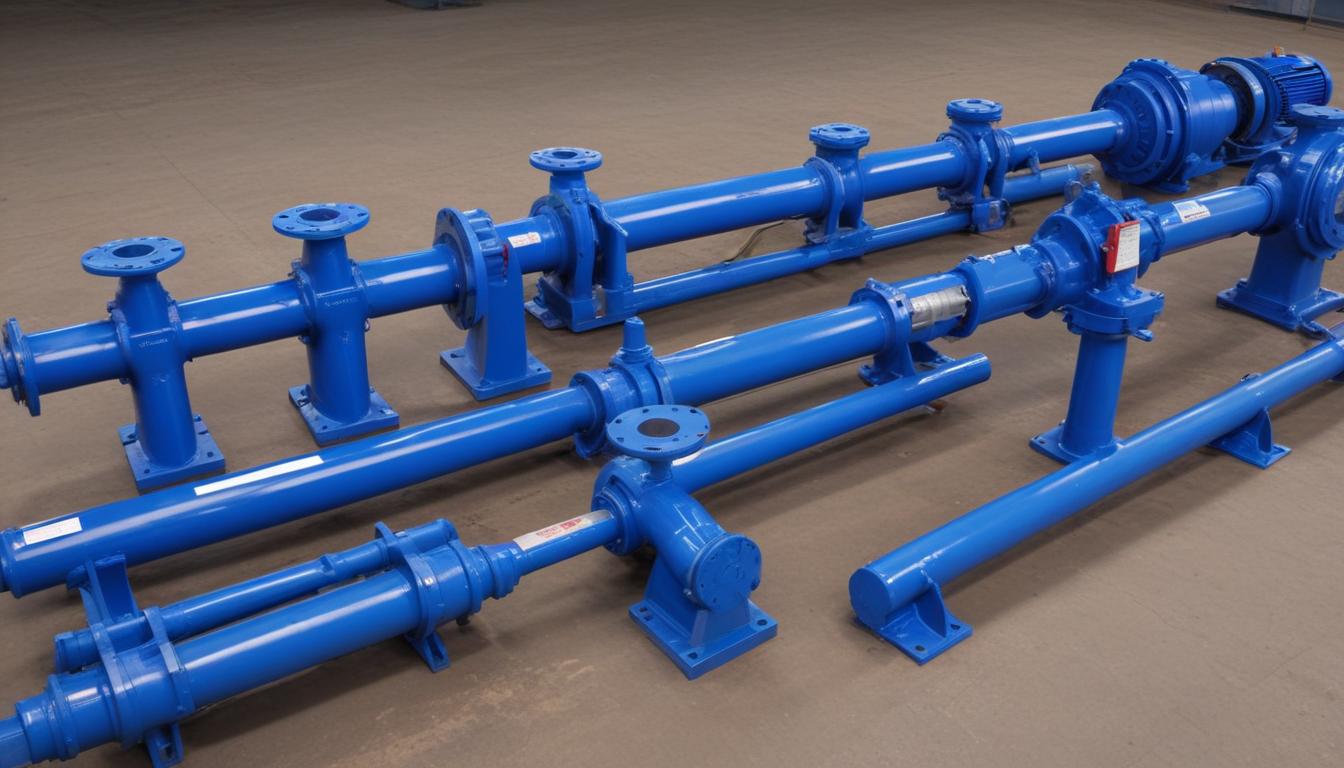
Compliance with key industry standards and regulations is critical in the operation of progressive cavity pumps, ensuring not only product safety but also system efficiency. Various standards set by organizations, such as the American National Standards Institute (ANSI) and International Organization for Standardization (ISO), define the operational parameters and safety requirements that pump manufacturers and users must adhere to. These standards cover aspects such as design, performance, and testing, ensuring that pumps can reliably operate under specified conditions.
An overview of vital standards and regulations relevant to progressive cavity pumps includes:
| Standard/Regulation | Description |
|---|---|
| ISO 9001 | Establishes criteria for a quality management system, ensuring consistent quality in manufacturing practices. |
| API 676 | Sets guidelines for positive displacement pumps, especially for the petroleum and petrochemical industries, focusing on design and operational efficiency. |
| ASME B73.3 | Focuses on pumps intended for chemical process industries, addressing design and material specifications to ensure safe chemical handling. |
| ATEX Directive | Regulates equipment used in explosive atmospheres, relevant for applications dealing with flammable fluids. |
Moreover, for industries like food processing, compliance with the Food and Drug Administration (FDA) standards is vital. Progressive cavity pumps used in these applications must be constructed with materials that meet sanitation requirements to prevent contamination.
Engineers and pump users must also pay attention to local and regional regulations that may impose additional requirements. Understanding these standards ensures that the pumps are suitable for specific applications and are capable of meeting not only operational demands but also safety and environmental considerations.
To achieve compliance, it is essential for manufacturers to conduct regular audits and testing of their pumps. This practice helps verify that pumps perform according to the stipulated guidelines and enhances their credibility in the market. Ongoing training for engineers and maintenance personnel about compliance measures and best practices is also crucial for upholding operational integrity.
Awareness and adherence to industry standards play a pivotal role in the successful operation of progressive cavity pumps. This compliance not only fosters reliability and efficiency but also reinforces the commitment to safety across various sectors.
Advantages of using progressive cavity pumps
Utilizing progressive cavity pumps offers numerous advantages that enhance operational efficiency across various applications. One of the most significant benefits is their ability to maintain a consistent flow rate, which is critical for processes requiring precision. This characteristic is particularly beneficial in sectors like food processing and pharmaceuticals, where the integrity of the product is paramount.
The positive displacement mechanism of progressive cavity pumps ensures that they can handle a wide range of fluid viscosities. They are adept at pumping both low-viscosity liquids and highly viscous materials with ease, which makes them versatile choices for diverse applications. Their ability to manage shear-sensitive fluids without causing damage further sets them apart, allowing for the safe handling of delicate materials.
In addition to their flow capabilities, progressive cavity pumps are known for their low maintenance requirements. The design minimizes wear and tear on pump components, resulting in longer service life and reduced downtime for maintenance. This operational efficiency translates into lower overall costs, making them a favorable option for engineers looking to optimize their systems.
The adaptability of these pumps to various environmental conditions also stands out. They can operate effectively in challenging settings, whether facing high temperatures or aggressive chemicals. This resilience not only aids in compliance with rigorous industry standards but also extends the operational lifespan of the equipment, thereby enhancing return on investment for users.
Another critical advantage is their compact design, which allows for installation in constrained spaces without compromising performance. This is particularly advantageous in facilities where floor space is limited, enabling seamless integration into existing systems or new setups without extensive modifications.
To summarize, here are the key advantages of using progressive cavity pumps:
- Consistent Flow Rates: Ensures precision and reliability in fluid handling.
- Versatility: Capable of handling a wide range of fluid viscosities.
- Low Maintenance: Minimizes operational expenses and downtime.
- Resilience: Functions effectively under various environmental conditions.
- Compact Design: Facilitates installation in restricted spaces.
In many industries, these advantages culminate in enhanced productivity, streamlined processes, and adherence to regulatory compliance. By leveraging the strengths of progressive cavity pumps, organizations can ensure efficient and reliable fluid transfer critical to their operational success.
Applications in various industries
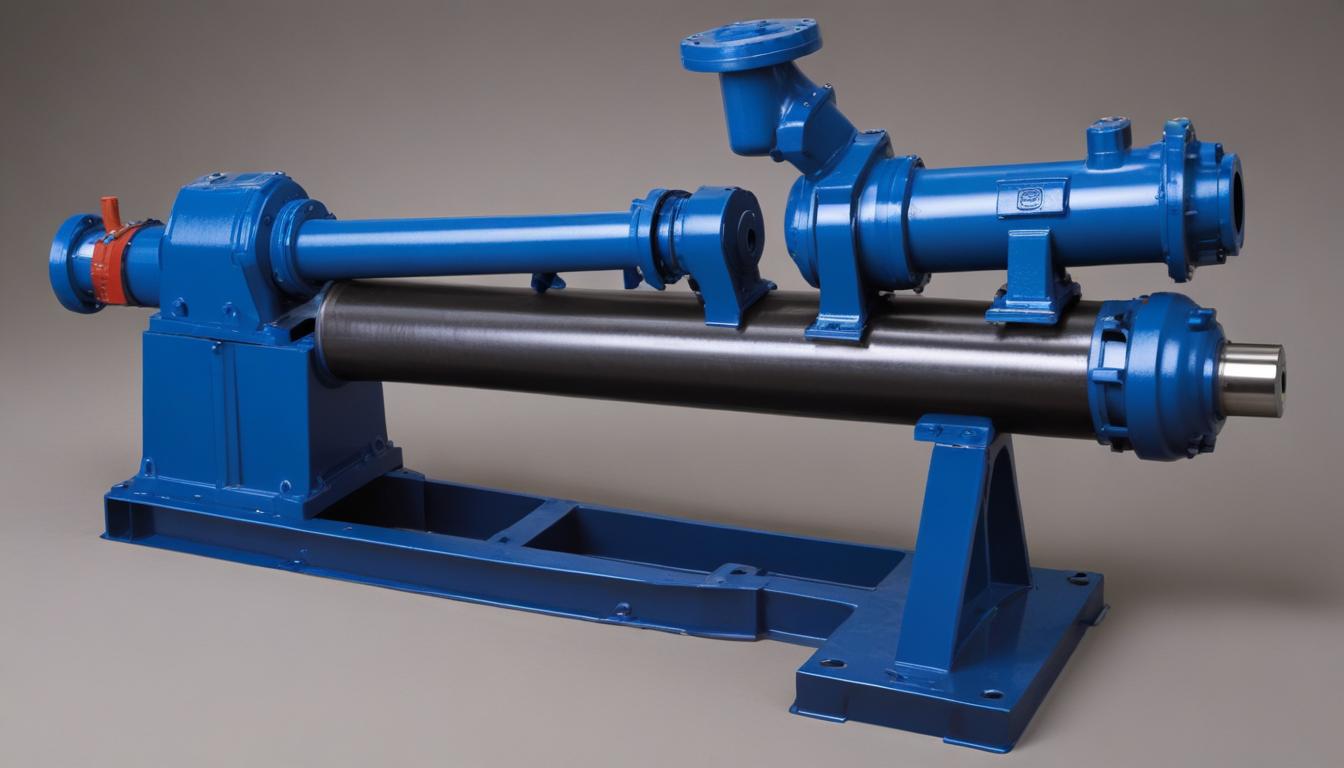
Progressive cavity pumps are versatile components used across various industries due to their ability to handle a broad spectrum of fluids effectively. In wastewater treatment, these pumps transport sludges and slurries with high solid content, ensuring efficient processing and compliance with environmental regulations. Their design mitigates shear forces, allowing them to transfer sensitive materials without damaging their properties.
In the food and beverage industry, progressive cavity pumps are invaluable for transferring viscous products such as sauces, puree, and dairy while adhering to strict health and safety standards. These pumps can be constructed from materials approved by the Food and Drug Administration (FDA), ensuring they meet sanitation requirements and avoid product contamination.
The oil and gas sector also benefits from the unique capabilities of progressive cavity pumps. They are used for transferring crude oil, heavy fuels, and even chemical additives, allowing for continuous operations in challenging environments. Their ability to handle highly viscous and abrasive substances while complying with industry standards makes them essential in this industry.
In chemical manufacturing, these pumps excel in managing various chemical transfers, including corrosive substances, enhancing safety protocols due to their ability to withstand harsh conditions and comply with stringent safety regulations. The materials used in their construction are often selected based on the chemical properties of the fluids being pumped to ensure durability and compliance with industry standards.
Furthermore, the pharmaceutical industry utilizes progressive cavity pumps for precise dosing and transferring of medications and medical formulations. The ability to maintain a consistent flow rate is crucial here, and these pumps are designed to prevent contamination, meeting regulatory requirements for production standards.
In the mining industry, progressive cavity pumps handle slurries and tailings efficiently, which are pivotal for mineral processing. Their robust construction enables them to withstand the abrasive nature of these materials, offering compliance with safety and operational regulations.
The adaptability of progressive cavity pumps to various applications makes them a go-to solution for engineers and pump users. As industries continue to evolve, the demand for pumps that can meet high performance and compliance standards will only increase. A focused approach in selecting pumps based on application-specific requirements is crucial for optimizing operational efficiency, ensuring that companies capitalize on the benefits while aligning with industry standards.
To summarize, key applications of progressive cavity pumps include:
- Wastewater Treatment: Handling sludges and slurries efficiently.
- Food and Beverage: Safe transfer of viscous food products meeting FDA regulations.
- Oil and Gas: Transferring crude oil and heavy fuels in challenging conditions.
- Chemical Manufacturing: Managing various chemical transfers safely.
- Pharmaceuticals: Precise dosing and transfer of medications.
- Mining: Efficient handling of slurries and tailings in mineral processing.
By leveraging the strengths of progressive cavity pumps across these diverse sectors, organizations can enhance fluid transfer processes while ensuring compliance with necessary regulations and industry standards.
Future trends in pump technology
As the landscape of pump technology evolves, progressive cavity pumps are poised to benefit from several key trends shaping the future of fluid transfer systems. One of the most noteworthy trends is the increasing emphasis on energy efficiency. With rising energy costs and stringent environmental regulations, manufacturers are developing pumps that minimize energy consumption without compromising performance. Innovations in motor technology and control systems are enabling these pumps to operate more efficiently, directly impacting operational costs and sustainability goals.
Another significant trend is the integration of smart technology into progressive cavity pumps. The advent of the Internet of Things (IoT) allows for real-time monitoring and data collection, enhancing operational oversight. Smart sensors can detect changes in pressure, flow rates, and temperature, enabling predictive maintenance strategies that mitigate downtime and extend the lifespan of pumping equipment. This level of monitoring not only aligns with compliance and regulatory standards but also enhances the safety and reliability of operations.
Material advancements are also gaining momentum, with manufacturers researching high-performance materials that improve corrosion resistance and reduce wear. These innovations not only support the handling of aggressive fluids but also align with stringent industry standards that demand long-lasting, reliable components. Improved material selection enables engineers to design pumps that can withstand rigorous operating conditions, thereby increasing their versatility across applications.
Furthermore, the demand for environmentally friendly solutions is driving manufacturers to explore alternative power sources and reduce the environmental impact of pumping systems. Biodegradable lubricants and sustainable components are becoming mainstream, allowing progressive cavity pumps to meet eco-friendly guidelines that cater to both customer expectations and regulatory compliance.
The regulatory landscape itself is evolving, with increasing focus on safety and environmental protection. Compliance with emerging regulations necessitates that manufacturers remain agile, adapting their designs and practices to meet new standards. This adaptability will be crucial as industries face heightened scrutiny regarding their emissions and operational impacts.
Progressive cavity pumps will likely continue to evolve through advancements in energy efficiency, smart technology integration, material innovation, and environmental sustainability. Staying ahead of these trends will not only enhance pump performance and compliance but also ensure that manufacturers meet the expectations of an increasingly demanding market. The commitment to adapting to future challenges positions progressive cavity pumps as a reliable and efficient choice for a wide range of applications.