
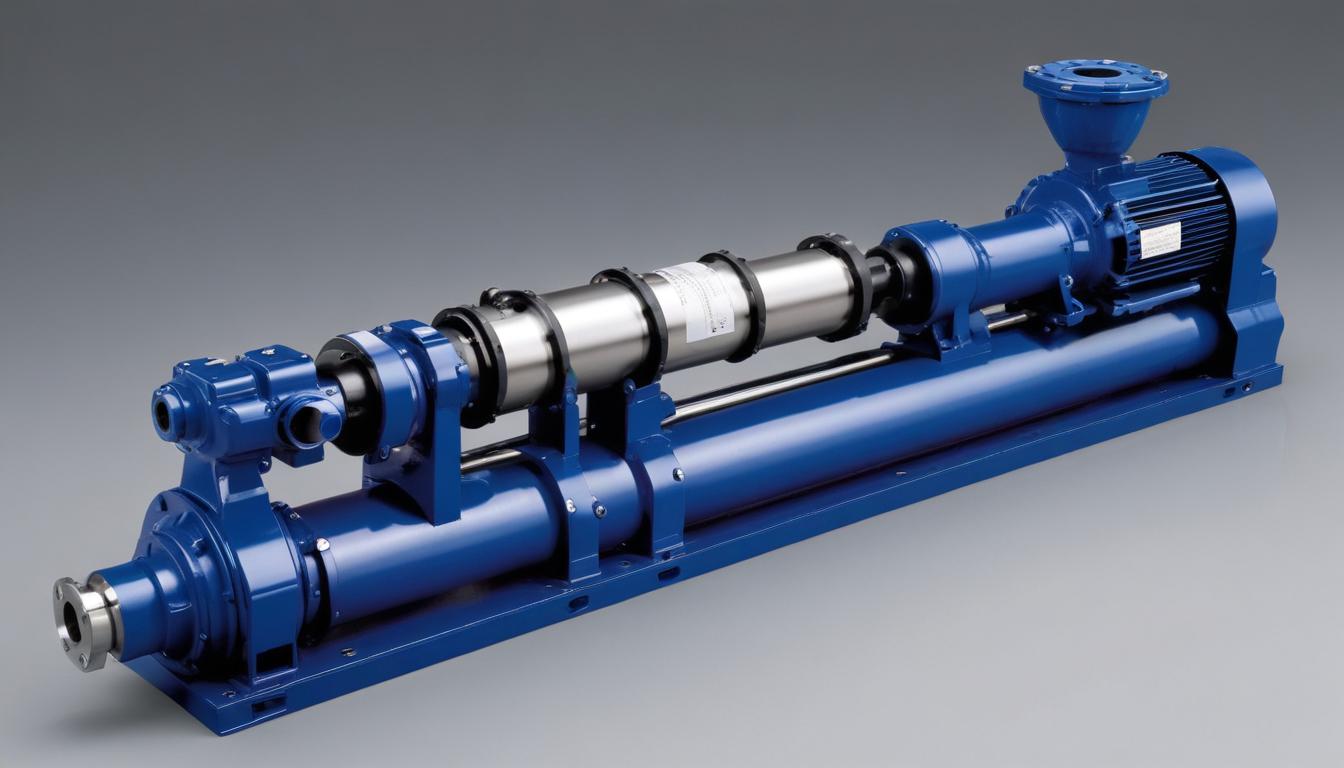
Progressive cavity pumps in high-pressure applications
In high-pressure environments, progressive cavity pumps operate based on a unique principle that enables them to maintain efficient flow rates while handling varying viscosities and pressures. These pumps utilize a helical rotor that rotates within a stator, creating a series of cavities that transport fluids smoothly and continuously. The geometry of the rotor and stator is critical in maintaining the integrity of the sealing mechanism, allowing for the pump to generate and withstand high-pressure conditions without compromising performance.
The design of progressive cavity pumps is inherently suitable for high-pressure applications due to the low shear nature of their operation. This characteristic minimizes product degradation, particularly when dealing with sensitive or viscous fluids. Moreover, the ability to handle solid-laden slurries without clogging makes these pumps exceptionally versatile, enabling their use in various industrial sectors.
Progressive cavity pumps can handle pressures exceeding 500 PSI (pounds per square inch), making them suitable for applications such as:
- Oil and gas extraction
- Chemical processing
- Wastewater treatment
- Food and beverage production
Understanding the high-pressure operating principles of these pumps is vital for engineers and pump users alike. The efficiency of fluid transfer is impacted by several factors, including:
- Viscosity: The fluid’s viscosity directly influences the pump’s efficiency. Higher viscosities require more energy and can affect the flow rate.
- Temperature: Fluid temperature impacts viscosity and the material properties of the pump components, which can influence their durability under high-pressure conditions.
- Flow Rate: The desired flow rate must align with the pump’s specifications to ensure optimal performance without overloading the system.
Engineers involved in the design and operation of systems utilizing progressive cavity pumps in high-pressure applications must pay close attention to these principles to maximize reliability and efficiency.
Applications of progressive cavity pumps
Progressive cavity pumps have a wide range of applications in various industries due to their ability to maintain performance under high-pressure conditions. Their unique design allows for the efficient handling of diverse fluids, making them indispensable in sectors that require reliable and consistent fluid transfer. The following are key applications where progressive cavity pumps excel:
- Oil and Gas Industry: In upstream and downstream operations, these pumps are crucial for the extraction and transfer of crude oil, natural gas, and associated fluids. Their ability to handle viscous liquids and slurries makes them ideal for transporting materials in challenging environments.
- Chemical Processing: They are utilized in the transfer of chemicals, acids, and bases, as well as for managing viscous and abrasive materials. Progressive cavity pumps provide precise flow control and are resistant to chemical corrosion, making them suitable for critical processes.
- Food and Beverage: In food processing applications, these pumps facilitate the movement of various semi-solid and liquid products, from purees to sauces and emulsions. The low shear operation preserves product quality, while their compliance with sanitation standards ensures safe food processing.
- Wastewater Treatment: Progressive cavity pumps are employed in dewatering, sludge handling, and transferring wastewater. They efficiently manage solids and liquids alike, ensuring continuous operation despite the presence of challenging materials.
- Mining and Minerals: These pumps are effective in transferring slurries containing solids, such as minerals and ore, in mining operations. Their ability to handle high-viscosity materials without clogging is crucial in maintaining operational efficiency.
These high-pressure applications highlight the versatility of progressive cavity pumps. The choice of pump in any application should consider factors such as the fluid characteristics, required flow rates, and system pressure to ensure optimal performance. Engineers and pump users must evaluate these parameters carefully to select the appropriate progressive cavity pump that meets the demands of their specific high-pressure application.
Furthermore, the continuous advancements in progressive cavity pump technology, such as enhanced materials and innovative design features, further improve their adaptability across various industrial applications. Therefore, it is essential for professionals to stay informed about these developments to leverage the full potential of progressive cavity pumps in high-pressure scenarios.
Material considerations for high-pressure environments
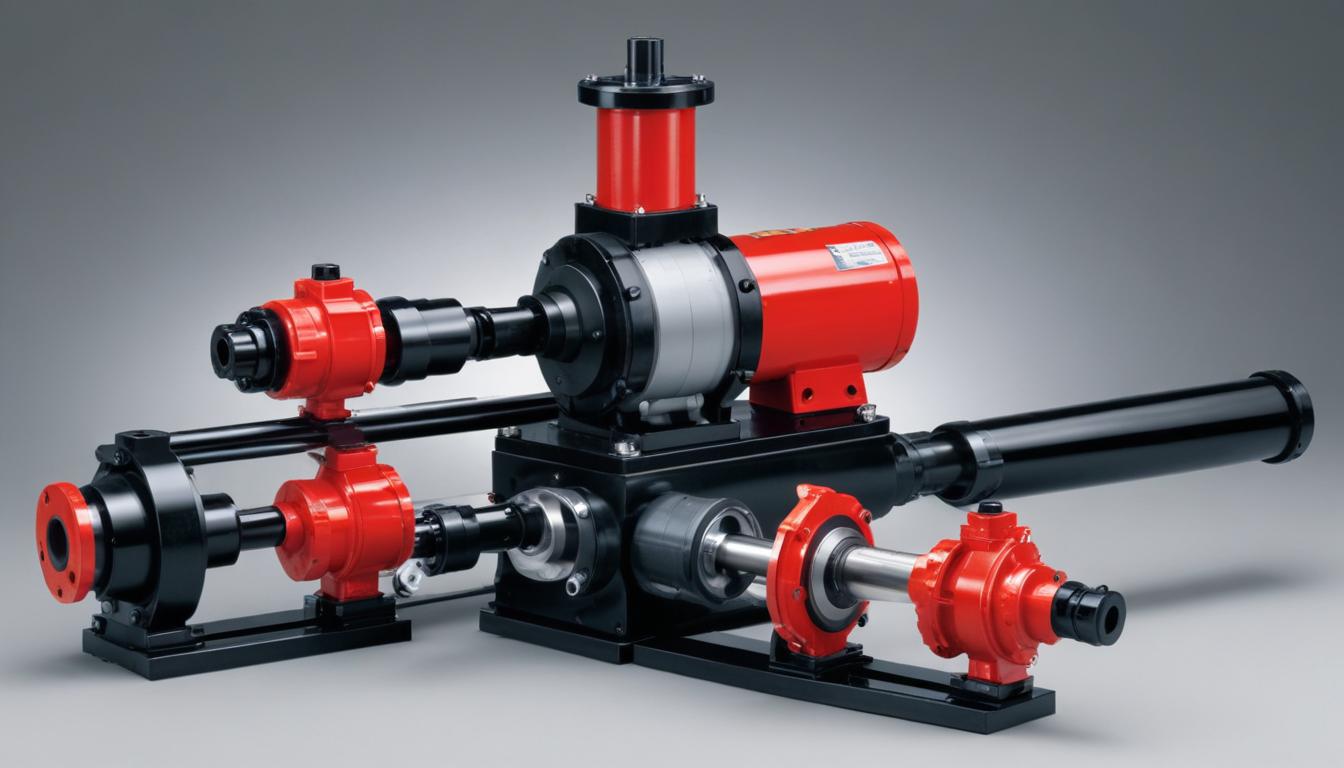
When dealing with progressive cavity pumps in high-pressure environments, material selection is a crucial factor that influences both the pump’s performance and longevity. The materials used in the construction of these pumps must withstand not only the high-pressure conditions but also the specific fluid characteristics they are designed to handle. Critical aspects to consider include compatibility with the fluid, wear resistance, and structural integrity under stress.
The most commonly used materials in high-pressure progressive cavity pumps include:
- Stainless Steel: Known for its excellent corrosion resistance, stainless steel is often used for components exposed to aggressive fluids. It maintains its structural integrity under high pressure and temperature, making it suitable for applications in the chemical and oil industries.
- Cast Iron: This material is favored for its strength and durability, ideal for handling abrasive materials. Cast iron is often used in pump casings and rotors where wear resistance is essential, particularly in wastewater and mining applications.
- Engineered Plastics: For applications involving corrosive substances, high-grade plastics such as PTFE and PEEK can offer the necessary resistance. Their lightweight nature can also reduce operational burdens in certain installations.
- Elastomers: The stator is typically made from elastomeric materials, which must possess high resilience and chemical resistance. Choosing the right elastomer is critical, especially when pumps are exposed to varying pH levels and temperatures.
In addition to selecting the right materials, engineers must also consider the manufacturing processes, such as machining and surface treatments, to enhance wear resistance and reduce friction. The treatment of surfaces can significantly impact performance, especially in high-pressure operations where any micro-imperfection can lead to premature failure.
Compatibility between the materials and the transported fluid is essential to avoid chemical reactions that could lead to pump degradation. For example, pumps handling crude oil may require specialized coatings to prevent corrosion, while those dealing with food products must comply with sanitary standards to ensure safety and hygiene. Engineers need to conduct a thorough analysis of the specific application requirements to select materials that provide optimal performance and extend the life of the pumps.
Regular assessments and maintenance of the materials used in progressive cavity pumps are vital to ensure that they continue to operate effectively under high-pressure conditions. This involves inspecting components for signs of wear, corrosion, and fatigue, and replacing parts promptly to avoid unplanned downtime.
Performance optimization in high-pressure systems
To achieve optimal performance in high-pressure systems, careful consideration must be given to various factors that influence the operation of progressive cavity pumps. One of the most critical aspects is ensuring that the pump is properly sized for the application. Under-sizing can lead to inadequate flow rates and potential overheating, while over-sizing might cause unnecessary energy consumption and increased wear on the pump components. It is essential to accurately assess the fluid properties, such as viscosity and density, and how they vary with operating conditions to select the right pump specifications.
The pump speed also plays a significant role in performance optimization. Higher speeds can enhance flow rates, yet they also increase the risk of wear and decrease the pump’s lifespan. Conversely, lower speeds can improve durability but might not meet system demands. Therefore, engineers should determine the optimal operational speed by balancing efficiency with component longevity while considering the flow requirements of the application.
Another vital factor is system pressure, as progressive cavity pumps must be operated within specified pressure limits to prevent damage. Monitoring the system’s back pressure is crucial; excessive back pressure can affect the pump’s ability to function correctly and lead to performance declines. Utilizing a pressure relief valve can help mitigate pressure spikes and contribute to overall system reliability.
In high-pressure applications, attention to non-return valves is essential. These components prevent backflow, ensuring a continuous flow of fluid through the system. Properly functioning non-return valves minimize the risk of cavitation, which can severely damage the pump over time. Regular inspections and maintenance of these valves are imperative to maintain optimal performance.
Additionally, pipeline design significantly impacts the efficiency of progressive cavity pumps. Engineers should ensure that the piping system is designed to minimize sharp bends and restrictions, which can lead to pressure drops and increased wear. The inclusion of appropriate pipe diameters is also crucial to accommodate the required flow rates without causing turbulence that can harm the pump.
It is also beneficial to implement real-time monitoring systems equipped with sensors that track parameters such as temperature, pressure, and flow rate. These systems can provide immediate feedback on the pump’s performance, allowing for proactive maintenance before problems escalate. Integrating advanced technology can drive significant efficiency gains in high-pressure setups.
Finally, regular training for personnel operating these pumps can provide insights into best practices in troubleshooting and maintenance strategies. Ensuring that team members are knowledgeable about the system’s specific requirements and functionalities can greatly enhance the effectiveness of ongoing operational efforts.
Optimizing the performance of progressive cavity pumps in high-pressure systems revolves around precise pump selection, speed management, robust system design, and the integration of monitoring technologies. Engineers and operators must remain vigilant and well-informed about the dynamics of their specific applications to achieve maximum efficiency and reliability.
Maintenance and troubleshooting strategies
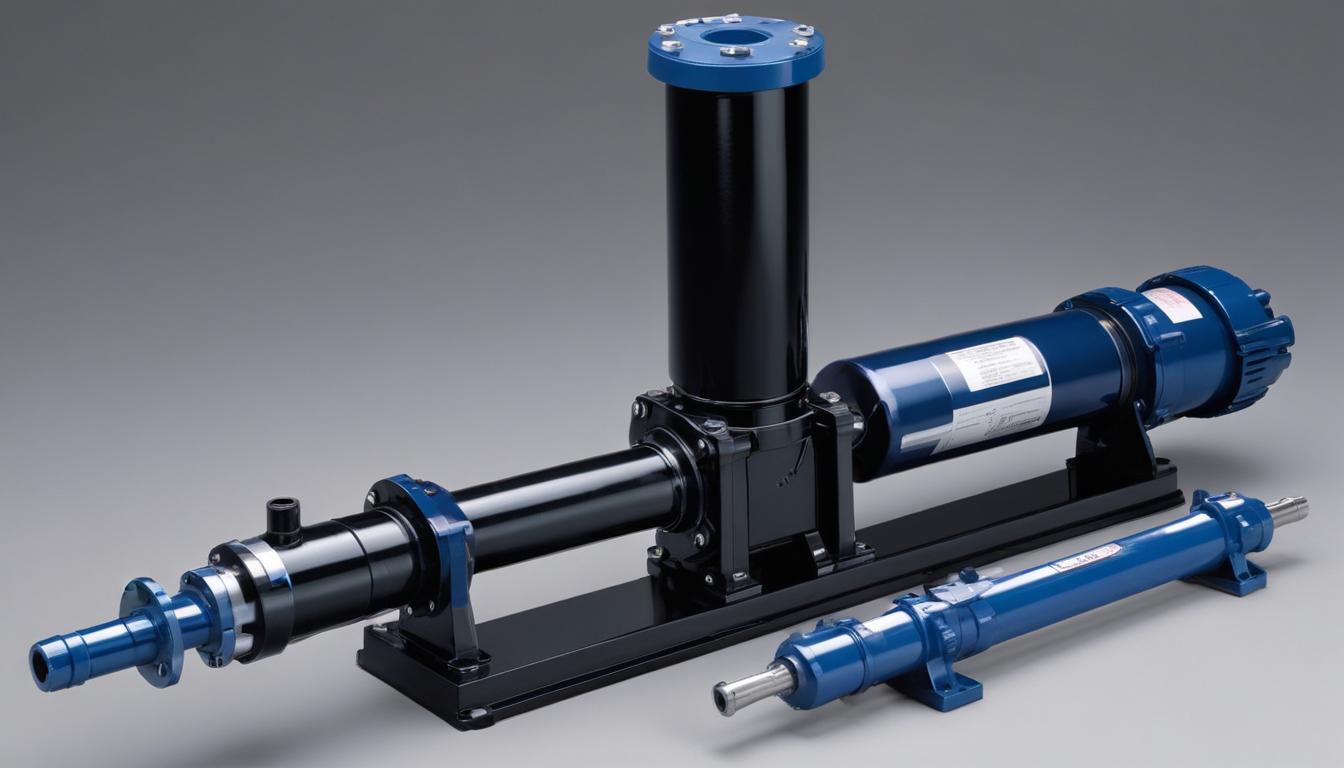
Maintenance and troubleshooting strategies for progressive cavity pumps in high-pressure applications are essential to ensure optimal performance and prolong the service life of these critical components. Regular maintenance activities not only help in identifying potential issues before they escalate into significant problems but also ensure that the pumps operate within their designed parameters for efficiency and reliability.
Key maintenance practices include:
- Routine Inspections: Regular inspections should be conducted to assess the condition of various components, such as seals, rotors, and stators. Any signs of wear, leakage, or abnormal vibrations should be addressed immediately to prevent unexpected failures.
- Lubrication: Ensuring that all moving parts are adequately lubricated is crucial for minimizing friction and wear. The choice of lubricant should be suitable for high-pressure environments and compatible with the fluids being handled.
- Monitoring Fluid Conditions: The characteristics of the fluids being pumped, such as viscosity and temperature, can change over time and affect pump performance. Monitoring these parameters ensures that the pump operates within its design limits and helps in planning maintenance schedules accordingly.
When troubleshooting issues with progressive cavity pumps, engineers should consider common problems such as:
- Cavitation: This phenomenon occurs when the pressure inside the pump drops below the vapor pressure of the liquid, leading to vapor bubbles forming and collapsing, which can cause damage. Monitoring inlet pressure and ensuring the pump operates within specified pressure limits are important strategies to prevent cavitation.
- Loss of Priming: If the pump loses its prime, it can significantly affect operation. Check for air leaks in the suction line and ensure that the pump is adequately filled with fluid at startup.
- Excessive Wear: High operational pressures can accelerate wear on pump components. Engineers should keep an eye on the pump’s performance metrics and inspect for signs of wear at regular intervals, especially in the stator and rotor interfaces.
Another important aspect of maintenance is the timely replacement of parts that show signs of degradation. Components such as stators and rotors, which handle the fluid, are subject to wear and should be replaced based on manufacturer recommendations or based on observed performance decline.
Furthermore, implementing a structured maintenance schedule can help streamline these processes, encompassing:
- Daily Checks: Inspect visual indicators like pressure gauges and fluid levels.
- Weekly Maintenance: Clean strainers and check fluid condition.
- Monthly Inspections: Examine pump components for signs of deterioration and conduct performance tests to establish benchmark measurements.
For effective troubleshooting, engineers should develop a comprehensive understanding of the system and the physical principles governing its operation. Recognizing the interactions between pump morphology and system dynamics allows for quick identification of root causes when performance issues arise. Familiarity with the behavior of progressive cavity pumps under various operational scenarios, particularly in high-pressure contexts, equips teams to handle anomalies swiftly.
Robust maintenance routines and proactive troubleshooting strategies are indispensable in ensuring the reliability and efficacy of progressive cavity pumps employed in high-pressure applications. By systematically addressing potential issues and optimizing performance through diligent care and monitoring, users can maximize the lifespan and efficiency of their pumping systems.
