
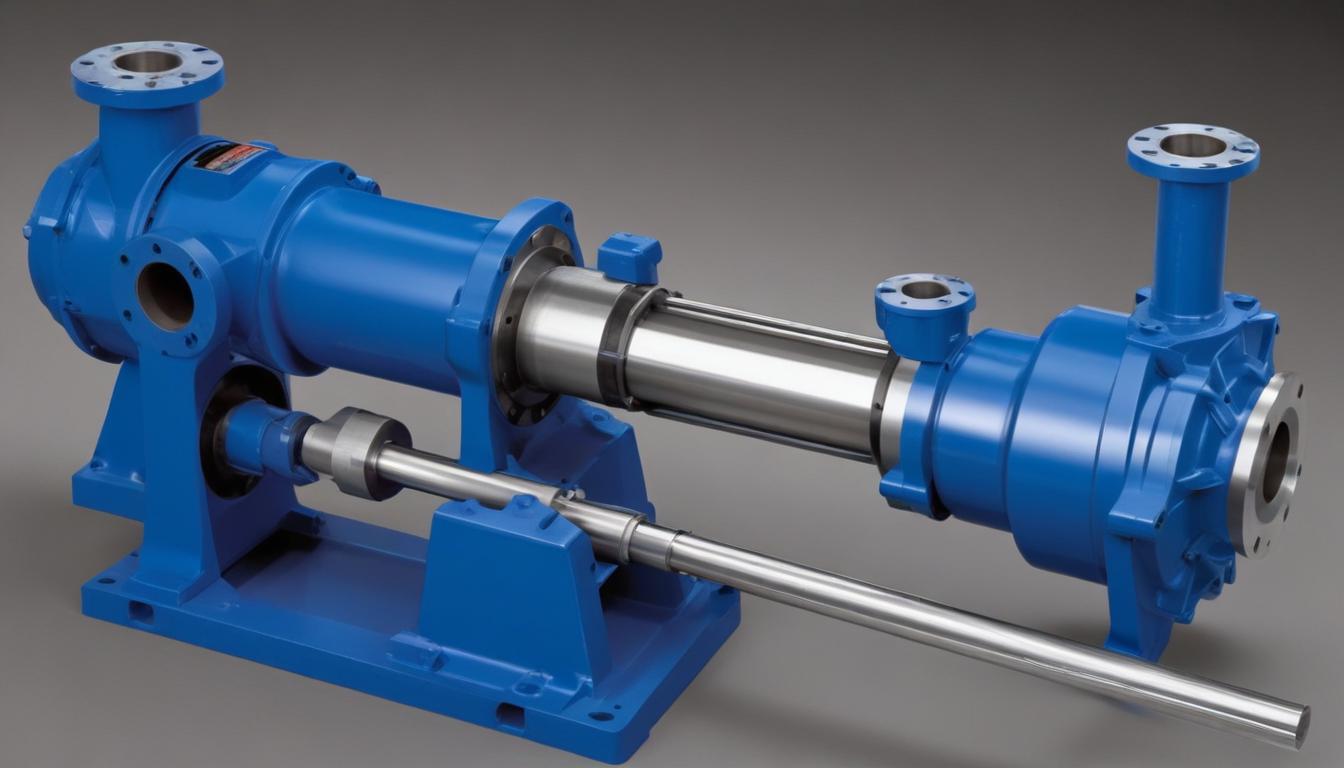
Advancements in rotor engineering for progressive cavity pumps
Recent advancements in rotor engineering have significantly enhanced the performance and efficiency of progressive cavity pumps. The design of rotors has evolved to incorporate advanced geometries and materials that improve fluid dynamics and reduce wear. Innovative rotor designs, such as helical and lobed configurations, facilitate more consistent flow rates while minimizing pulsation, which is critical in applications requiring precise fluid transfer.
Material technology has also seen considerable progress, with the introduction of composites and specialized alloys that offer superior corrosion resistance and strength. These materials not only extend the lifespan of the rotor but also enhance its ability to handle a wider range of fluids, including those with abrasive or corrosive properties. The use of advanced coatings further protects rotors from wear and degradation, ensuring consistent performance over extended periods.
- Lightweight Materials: The integration of lightweight composite materials reduces the overall mass of the pump assembly, leading to easier installation and lower energy consumption.
- High-Durability Alloys: Utilization of high-durability alloys, such as stainless steel and Hastelloy, enhances resistance to chemical attack and mechanical failure.
- Advanced Coatings: Application of advanced coatings, such as tungsten carbide, improves surface hardness and decreases friction during operation.
The ability to customize rotor designs to specific applications allows for optimized performance in industries ranging from wastewater treatment to food processing. As the industry continues to innovate, these rotor advancements will remain pivotal in enhancing the effectiveness of progressive cavity pumps across various demanding environments.
Performance Optimization Techniques
Performance optimization techniques in rotor engineering for progressive cavity pumps play a crucial role in enhancing the overall efficiency and reliability of pumping systems. Engineers focus on various methodologies to fine-tune rotor performance, addressing challenges such as flow consistency, energy consumption, and wear resistance. Here are several key optimization techniques being utilized today:
- Aerodynamic Design Adjustments: Modifying the rotor’s profile to improve fluid dynamics can significantly enhance performance. Adjustments in the rotor’s cross-sectional area can reduce turbulence and flow resistance, leading to increased efficiency.
- Variable Rotor Speed Control: Implementing variable frequency drives (VFD) allows precise control over rotor speed. This flexibility enables systems to adapt to changing flow requirements and optimize energy consumption by matching pump performance to operational demands.
- Simulation and Modeling: Advanced computational fluid dynamics (CFD) simulations enable engineers to predict how changes in rotor design will affect performance. This technique aids in making informed decisions before physical prototypes are constructed.
- High-Performance Bearings: Employing high-quality, low-friction bearings can minimize energy losses and improve the rotor’s operational lifespan. By reducing the frictional forces acting on the rotor, these components contribute to enhanced energy efficiency.
Furthermore, the implementation of monitoring technologies such as real-time data analytics assists in identifying performance inefficiencies. These systems can measure parameters like flow rate, pressure, and temperature, providing valuable insights into the operational condition of the pump. Early detection of anomalies allows for proactive maintenance, reducing downtime and prolonging rotor life.
Industry professionals are increasingly leveraging predictive maintenance techniques enabled by IoT integration. By collecting data on rotor performance over time, engineers can predict potential failures and schedule maintenance before issues escalate, ensuring sustained operational efficiency.
Finally, the synergy between enhanced rotor design and performance optimization techniques embodies the cutting-edge advancements in rotor engineering. As these approaches continue to evolve, they will not only improve the operational capabilities of progressive cavity pumps but also contribute to sustainability efforts by reducing energy consumption and extending equipment lifespan.
New Manufacturing Processes

The evolution of manufacturing processes in rotor engineering has introduced significant improvements for the production of progressive cavity pumps. Modern techniques not only enhance the quality and precision of rotor components but also streamline production, reducing costs and lead times. Key advancements in manufacturing processes include:
- 3D Printing: Additive manufacturing techniques enable the creation of complex rotor geometries that are often difficult or impossible to achieve with traditional machining. This flexibility allows for rapid prototyping and customization of rotors tailored to specific applications, optimizing performance.
- CNC Machining: Computer numerical control (CNC) machining has revolutionized the production of rotor parts by providing high precision and repeatability. CNC processes reduce human error and variability, ensuring each rotor meets stringent specifications.
- Injection Molding: For rotors made from polymer materials, injection molding promises consistent quality and rapid production rates. This method allows for intricate designs and faster manufacturing cycles, making it ideal for high-volume applications.
- Powder Metallurgy: Using powder metallurgy, manufacturers can produce rotors with enhanced mechanical properties, including high density and strength. This process supports the integration of advanced alloy compositions that offer improved corrosion resistance and wear characteristics.
In addition to innovative manufacturing methods, the application of automation and robotics in the assembly process has dramatically increased efficiency and reduced labor costs. Robotics technology ensures precise assembly and inspection, which contributes to the overall quality of the progressive cavity pumps.
Moreover, the integration of digital technologies such as the Internet of Things (IoT) and Industry 4.0 principles allows for real-time monitoring and data collection throughout the manufacturing process. This capability enhances quality control and ensures that any deviations from production standards can be addressed immediately, thus minimizing the risk of defects.
The shift toward sustainable manufacturing practices is also becoming prominent in rotor engineering. Techniques such as recycling scrap materials and using energy-efficient machines are gaining traction, aligning with the industry’s focus on reducing environmental impact while maintaining high-performance standards.
As manufacturing processes continue to evolve, the implications for rotor engineering are profound. These advancements not only facilitate the production of high-quality components but also enable the development of innovative designs that improve the performance and reliability of progressive cavity pumps.
Applications and Case Studies
In the diverse field of progressive cavity pumps, practical applications and case studies highlight the transformative impact of rotor engineering advancements. These applications demonstrate how innovative rotor designs, materials, and manufacturing processes can significantly enhance operational efficiency in various industries. Notably, several sectors are achieving optimal performance through tailored rotor configurations and established best practices.
One prominent application is in the wastewater treatment industry, where progressive cavity pumps are essential for transporting viscous sludges. Here, specially designed rotors, crafted with high-durability alloys, have shown remarkable resistance to wear due to abrasive particles. Case studies reveal that these rotors can operate successfully in harsh environments, contributing to lower maintenance costs and prolonged service life. For instance, a leading wastewater facility reported a 20% reduction in downtime after upgrading to new rotor technology, significantly enhancing overall plant efficiency.
Another notable example can be found in the food processing sector, where hygiene and performance requirements are stringent. Progressive cavity pumps equipped with rotors made from food-grade materials, such as stainless steel with specialized surface treatments, ensure compliance with health regulations while optimizing the pumping of viscous food products. A case study in a dairy processing plant demonstrated that the implementation of these advanced rotors resulted in a 30% increase in throughput, illustrating the potential for both quality improvement and operational efficiency.
In the realm of oil and gas, rotor engineering advancements support the extraction and transportation of unconventional resources, such as heavy crude oil. Rotors designed specifically for handling high-viscosity fluids, combined with innovative sealing technologies, have improved reliability and flow rates, thereby enhancing production. A recent project case highlighted how a customized rotor design for a challenging subsea application led to a 15% increase in extraction rates, showcasing the critical role of engineering advancements in high-demand environments.
The chemical industry frequently turns to progressive cavity pumps for transferring adhesives and coatings, which can be highly viscous and sensitive to shear. The use of wear-resistant rotors with enhanced geometries allows for smooth and consistent flow, significantly reducing the risk of product degradation. One case study pointed out that a manufacturing facility encountered a 25% decrease in waste due to improved flow consistency after upgrading their rotor designs. Such applications exemplify how advancements in rotor engineering can lead to direct economic benefits.
Furthermore, rotor engineering advances enable tailored solutions for the mining industry. Here, progressive cavity pumps are vital for dewatering and transporting slurries. Advanced rotor designs equipped with robust materials withstand the abrasive conditions often present in mining operations, leading to substantial cost savings. In practice, a mine reported extending its rotor lifespan by over 50% following the adoption of engineered solutions focused on improved wear resistance.
These applications and corresponding case studies underscore the crucial influence of rotor engineering advancements on the efficiency, reliability, and cost-effectiveness of progressive cavity pumps across a wide range of sectors.
Future Trends in Rotor Engineering
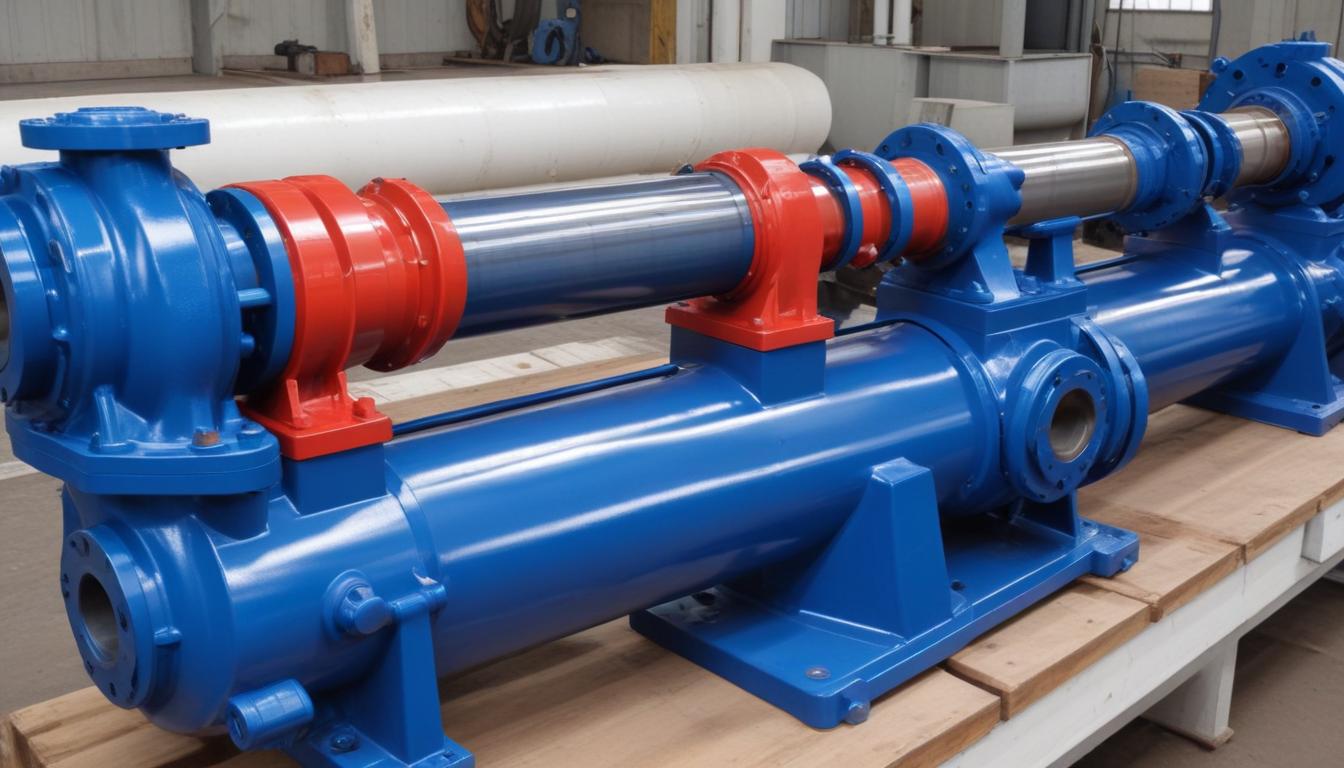
As the field of rotor engineering continues to evolve, several future trends are anticipated to further enhance the capabilities of progressive cavity pumps. One significant trend is the greater adoption of smart technologies through the integration of Internet of Things (IoT). This technology allows for real-time monitoring and data analysis of rotor performance, enabling engineers to make data-driven decisions. By utilizing sensors to gather crucial metrics such as temperature, pressure, and vibration, operators can predict maintenance needs and optimize pump performance, thus moving towards more predictive maintenance strategies.
Another trend is the exploration of new materials that offer enhanced durability and efficiency. Research is underway into nano-structured coatings and composites that can withstand higher levels of stress and corrosion while maintaining a lightweight profile. This approach not only improves performance in challenging environments but also results in lower energy consumption due to reduced drag and friction within the pump.
In manufacturing, the rise of advanced automation technologies and robotics is expected to streamline production processes and improve the precision of rotor component assembly. Automated systems can enhance repeatability and reduce human error, ensuring that each rotor meets the stringent requirements necessary for optimal pump performance. Furthermore, artificial intelligence (AI) is poised to play a role in streamlining design processes through advanced modeling and simulation techniques, allowing for faster iteration and optimization of rotor designs.
Additionally, sustainability will be a key focus in future rotor engineering developments. As industries face increasing pressure to reduce their carbon footprints, the trend toward utilizing recycled materials and energy-efficient machining processes is expected to gain momentum. This shift not only aligns with global sustainability goals but also enables manufacturers to appeal to environmentally conscious consumers and stakeholders.
Collaboration between industries will also pave the way for innovative rotor engineering solutions. By sharing knowledge and technology across sectors such as oil and gas, food processing, and wastewater treatment, engineers can develop versatile rotor designs that meet diverse operational requirements. This cross-disciplinary approach fosters creativity and can lead to breakthroughs that benefit a wide range of applications.
Lastly, the expansion of digital twin technology in rotor engineering will allow for the development of virtual models that simulate real-world performance. These digital twins enable engineers to experiment with various design iterations and operational settings in a controlled environment, thus reducing the risks associated with physical prototyping. As this technology matures, it could significantly accelerate the innovation cycle and improve the overall quality of rotor designs in progressive cavity pumps.
