Why progressive cavity pumps are preferred in mining operations
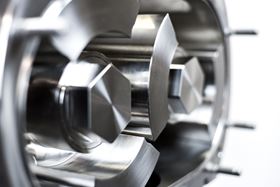
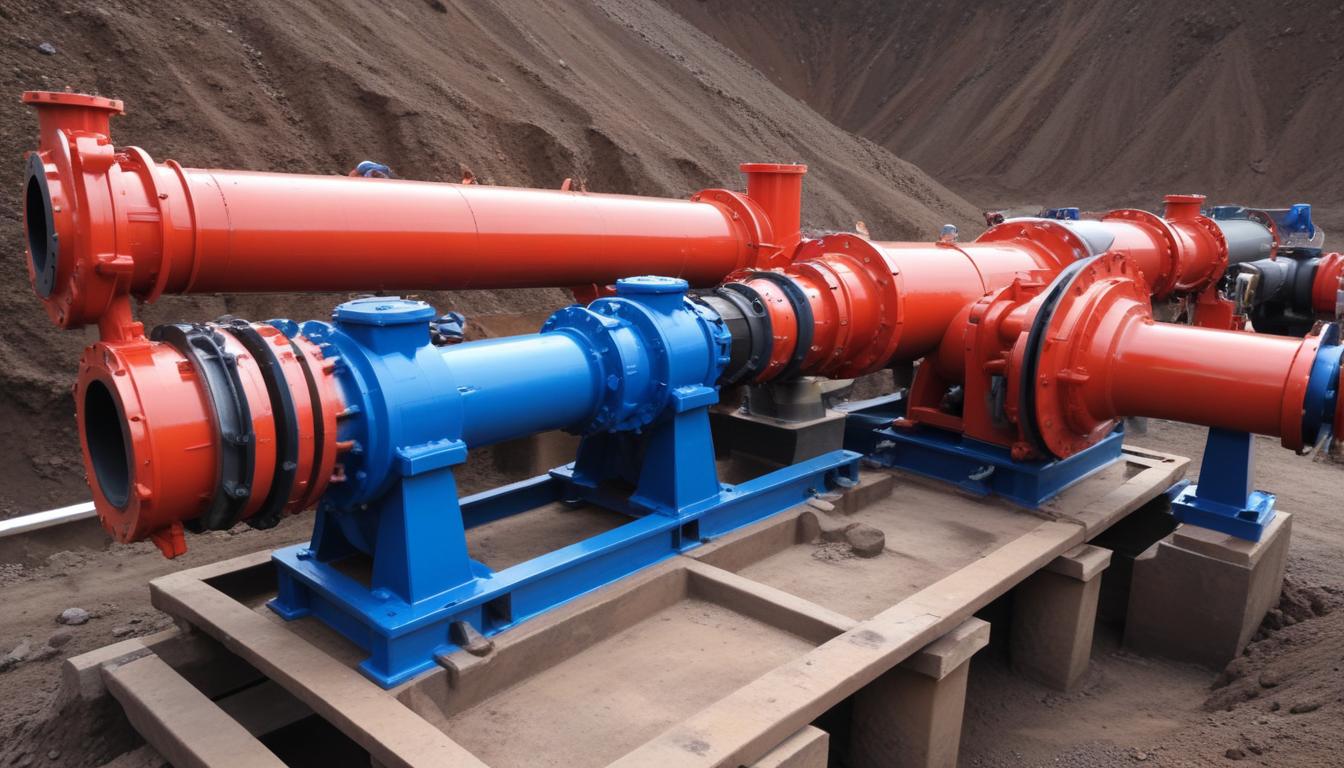
Progressive cavity pumps have emerged as a critical component in the mining sector due to their exceptional performance in demanding conditions. The preference for these pumps can be attributed to several inherent characteristics that enhance operational efficiency and reliability. Unlike traditional pump types, progressive cavity pumps excel in handling viscous fluids, slurries, and suspensions commonly found in mining applications.
One of the key reasons for the growing trend towards progressive cavity pumps in mining is their ability to maintain a consistent flow rate, regardless of discharge pressure variations. This positive displacement mechanism ensures a steady output, which is vital in mining operations where fluctuating demands can occur. Additionally, the pumps are capable of handling large solids, making them suitable for transporting abrasive materials without significant wear on the equipment.
Furthermore, the design of progressive cavity pumps allows for gentle handling of materials, reducing the risk of damage to particulate matter, which is essential in processes like slurry transport. This capability not only preserves the integrity of the mined product but also minimizes the potential for blockages and downtime, a critical factor in maintaining productivity in the mining industry.
The durability and longevity of progressive cavity pumps contribute to their preference in mining applications. Constructed from robust materials that withstand harsh environments, these pumps require less frequent maintenance compared to other types. This reliability translates into reduced operational costs and increased uptime, which are pivotal in maintaining competitiveness in the mining sector.
The unique attributes of progressive cavity pumps align well with the challenges and requirements of mining operations, reinforcing their status as the preferred choice for effective fluid management in the industry.
Advantages of Progressive Cavity Pumps
The advantages of progressive cavity pumps in mining applications are multifaceted, making them a superior choice for fluid transfer and management in this challenging environment. One of the most significant benefits is their versatility. Progressive cavity pumps are designed to handle a wide range of materials, including slurries, viscous fluids, and even shear-sensitive liquids, with ease. This ability to adapt to different material characteristics is crucial in mining operations, where the properties of the extracted material can vary widely.
Another key advantage lies in the pump’s efficiency in energy consumption. Progressive cavity pumps operate with a relatively low energy requirement compared to other pump types, enabling cost-effective operation in energy-intensive mining environments. This efficiency is largely driven by their positive displacement mechanism, which allows for precise control over the flow of the fluid, thereby reducing energy waste.
- Gentle Handling: Progressive cavity pumps transmit materials without subjecting them to high shear forces, ensuring that the integrity of delicate components is maintained.
- Consistent Output: The continuous flow provided by these pumps is less affected by variations in viscosity and pressure, which is critical in fluctuating mining operations.
- Compact Design: The compact size of progressive cavity pumps makes them easier to install in cramped mining sites, which helps maximize the available space.
Moreover, progressive cavity pumps exhibit excellent self-priming capabilities, making them suitable for operations where cavitation could be a concern. This attribute facilitates smooth operation even in situations where traditional pumps would stall or fail, contributing to uninterrupted mining processes.
| Advantage | Description |
|---|---|
| Versatility | Capable of handling various types of fluids, including abrasive slurries. |
| Energy Efficiency | Lower energy consumption compared to other pump types, reducing operational costs. |
| Durability | Constructed from robust materials which withstand harsh mining conditions. |
| Self-Priming | Maintains effective operation even during pressure fluctuations. |
Ultimately, the distinct advantages of progressive cavity pumps make them a preferred choice among engineers and operators in the mining industry. Their ability to consistently deliver reliable performance, coupled with operational cost savings, positions them as a vital asset in modern mining operations.
Application in Mining Operations
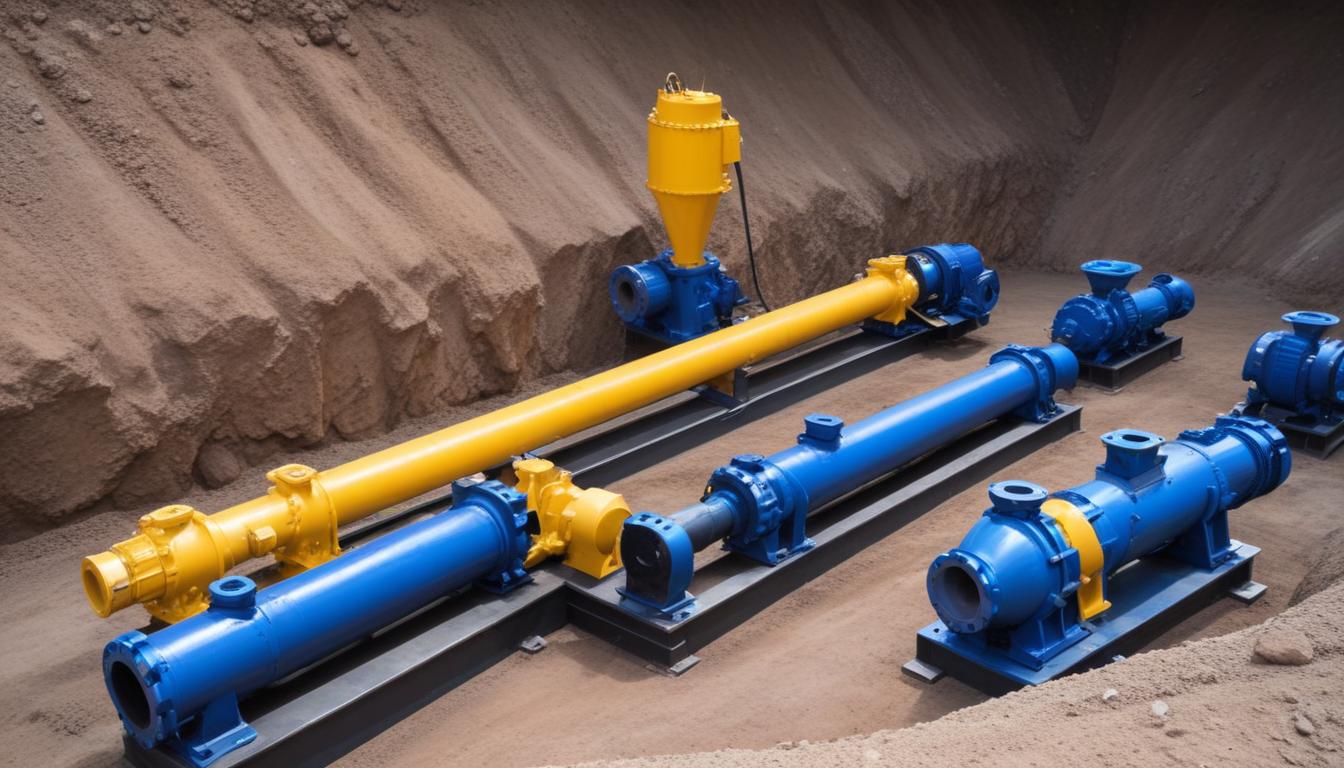
In mining operations, the application of progressive cavity pumps is diverse and multifaceted, addressing a range of fluid transfer needs essential for effective resource extraction. These pumps are ideally suited for transporting viscous fluids, slurries, and even solid-laden suspensions, making them indispensable in various processes such as tailings management, slime transfer, and concentrate pumping. Their design enables them to handle high solids content without compromising performance, a vital requirement in mining environments where material characteristics can be unpredictable.
One significant application of progressive cavity pumps is in the processing of tailings, which are the waste materials left after the extraction of valuable minerals. The pump’s capability to manage abrasive slurries minimizes wear on pump components and ensures a consistent flow, thus improving the efficiency of the tailings disposal process. Additionally, progressive cavity pumps excel in transporting thick sludge, which can be a challenge for traditional centrifugal pumps due to cavitation and flow interruption risks.
Moreover, the mining industry often requires fluid management within underground operations. Here, progressive cavity pumps are favored for their compact design and ability to function effectively in confined spaces. They self-prime, allowing for reliable operation even when the fluid level fluctuates, thereby reducing the risk of pump failure associated with other types. This self-priming capability leads to continuous operation, which is critical in maintaining productivity and safety in underground mining activities.
Progressive cavity pumps are also used extensively in the transportation of chemical solutions used in ore processing. Given that these solutions may exhibit varying viscosities and chemical compositions, the versatility of progressive cavity pumps makes them a preferred choice. They can easily adjust to changes in fluid properties, providing stable outputs that are essential for process consistency and efficiency.
Furthermore, the adaptability of these pumps extends to the delivery of circulating water in cooling systems within surface mining operations. Effective temperature regulation is crucial to prevent equipment overheating, and the reliable performance of progressive cavity pumps ensures that water can be efficiently circulated to maintain optimal working conditions.
The various applications of progressive cavity pumps in mining—from tailings and sludge management to chemical transport and underground fluid management—underscore their significance in optimizing mining operations. This versatility not only enhances operational efficiency but also solidifies their preference within the industry.
Performance and Efficiency Factors
In assessing the performance and efficiency of progressive cavity pumps within mining operations, it becomes evident how their design and functional attributes contribute to superior fluid handling capabilities. At the core of their performance lies the positive displacement mechanism, which facilitates a constant flow rate, unaffected by changes in viscosity or discharge pressure. This reliability ensures that mining operations can depend on a steady output, crucial for maintaining operational schedules and efficiency.
The operating efficiency of progressive cavity pumps is further enhanced by their ability to handle a wide range of fluid viscosities. Its design accommodates both thin and thick fluids, allowing it to adapt seamlessly to the diverse material compositions encountered in mining environments. This characteristic not only improves overall productivity but also reduces the risk of issues that typically arise with other pump types, such as cavitation or flow interruptions.
In terms of energy consumption, these pumps are designed for efficiency. By providing precise control over the flow of fluids, progressive cavity pumps minimize energy wastage, translating to lower operational costs. This energy efficiency is essential in mining operations, where power requirements can significantly impact the overall profitability of the venture. Several studies have documented a marked decrease in energy usage leading to substantial cost savings when employing progressive cavity pumps compared to traditional pump types.
Moreover, the rugged construction of progressive cavity pumps is specifically tailored to withstand the harsh conditions prevalent in mining. Using high-quality materials resistant to wear and corrosion extends their lifespan while minimizing maintenance requirements. A reduction in downtime due to maintenance or replacement translates to enhanced operational continuity, which is vital for sustained mining productivity.
Testing has revealed that progressive cavity pumps maintain their performance even under high-frequency cyclic loading, typical in mining operations. As they handle various feed characteristics, the pumps exhibit a remarkable ability to self-adjust without needing extensive recalibration, leading to reliability that mining engineers and operators can trust.
- Consistent Flow Rate: Vital for maintaining process stability and operational efficiency.
- Wide Viscosity Range: Capable of accommodating diverse material types encountered in mining.
- Energy Efficiency: Lower operational costs attributable to minimized energy consumption.
- Durability and Reliability: Constructed to endure harsh conditions, reducing maintenance needs.
Additionally, the operational flexibility of progressive cavity pumps enables them to handle fluctuating flow demands, further reinforcing their importance in mining applications. This proactive adaptability enhances overall efficiency, ensuring that mining operations can adjust rapidly to changing conditions without compromising output quality.
Considering these performance and efficiency factors, it is evident why progressive cavity pumps command a preference in the mining industry. Their ability to consistently deliver high performance while enhancing operational efficiency plays a significant role in optimizing resource extraction processes.
Maintenance and Reliability Considerations
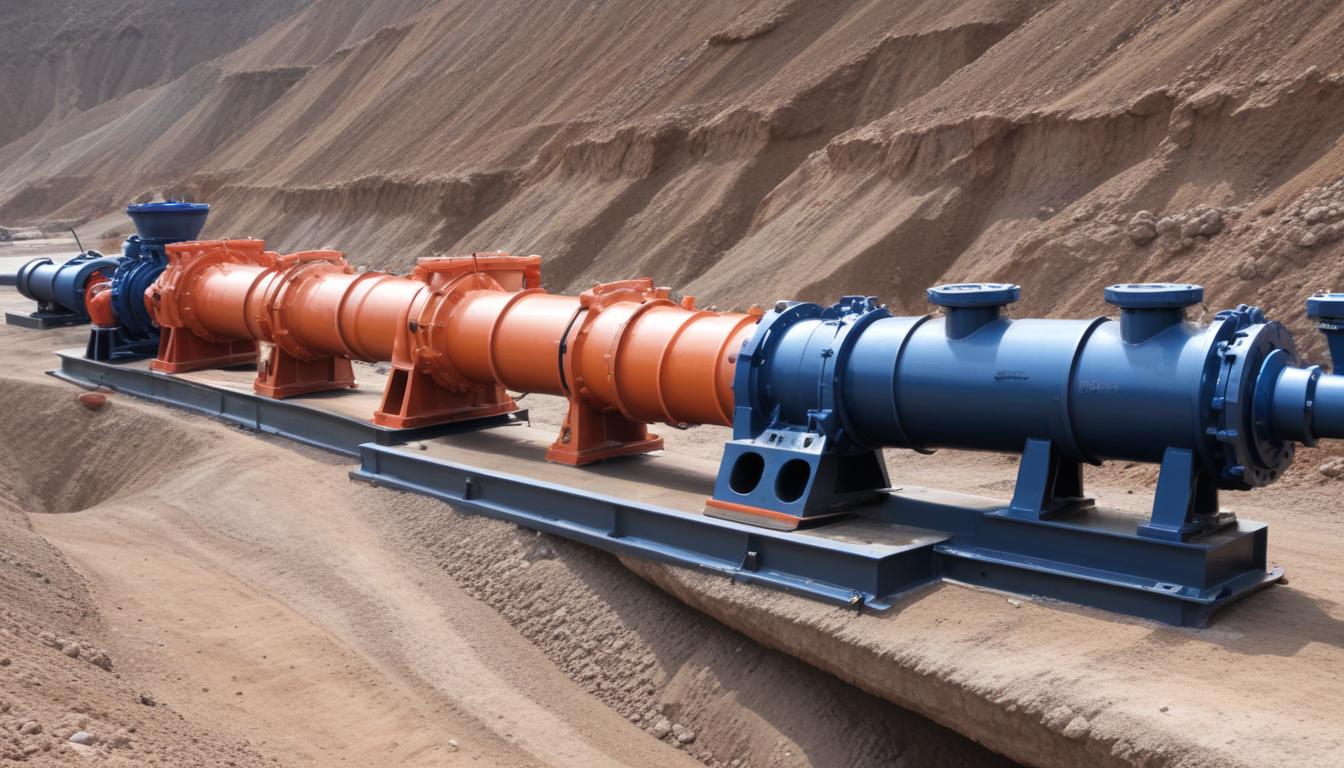
Maintenance and reliability are crucial factors in the continued operational success of progressive cavity pumps within the mining sector. Given the demanding environments in which these pumps operate, the design and materials used in progressive cavity pumps contribute significantly to their low maintenance requirements and exceptional reliability. This is particularly important in mining operations where time is of the essence, and any operational downtime can lead to substantial losses.
Progressive cavity pumps are constructed using durable materials that are resistant to wear and corrosion, allowing them to withstand the abrasive conditions frequently encountered in mining applications. For instance, the use of hardened stainless steel or specialized polymers enables these pumps to handle corrosive substances and abrasive slurries without significant degradation. The selection of appropriate materials thus enhances the longevity of the equipment, which aligns with the industry’s goal of reducing maintenance frequency and costs.
Regular maintenance practices are simplified due to the design of progressive cavity pumps. The maintenance needs typically involve:
- Visual Inspections: Regular checks for leaks, abnormal noises, or vibrations can signal potential issues before they escalate.
- Lubrication: Ensuring that moving parts are adequately lubricated helps maintain operational efficiency and prevent wear.
- Seal and Bearing Checks: Inspection and replacement of seals and bearings should be conducted periodically to avoid any compromise in pump integrity.
It is also noteworthy that the modular design of many progressive cavity pumps allows for straightforward component replacement. Should a part need servicing, technicians can easily access and change it without requiring extensive dismantling of the entire unit. This characteristic not only lowers maintenance workload but also minimizes the downtime associated with such processes.
Another significant aspect of reliability in progressive cavity pumps is their operational consistency under varying conditions. These pumps can effectively handle fluctuations in fluid characteristics—such as viscosity or solids content—without necessitating adjustments. This adaptability is key to maintaining continuous operation, as mining environments often present unpredictable challenges. Furthermore, the self-priming capability of progressive cavity pumps ensures reliable operation, even during instances of low fluid levels, thereby reducing the possibility of pump cavitation.
To further enhance reliability, mining operators often implement predictive maintenance strategies using advanced monitoring systems. These systems enable real-time data collection on pump performance metrics such as vibration, temperature, and pressure, providing valuable insights into operational status. By leveraging such technology, mining companies are equipped to identify and address potential issues before they impact operational efficiency.
The durability and reliability of progressive cavity pumps make them an ideal solution for the multifaceted demands of mining operations. The combination of robust construction, low maintenance needs, and advanced monitoring capabilities reinforces their stature as the preferred choice among engineers and operators in this challenging industry.
Future Trends in Pump Technology
As mining operations continue to evolve, the future of pump technology, particularly for progressive cavity pumps, is set to be shaped by advancements aimed at enhancing efficiency, sustainability, and adaptability. One of the primary trends is the integration of smart technology into pump design, enabling real-time monitoring and data analytics. This innovation fosters better predictive maintenance, helping operators anticipate and mitigate potential failures before they become costly issues.
Additionally, the role of automation in mining processes is growing. Automated systems facilitate seamless integration of progressive cavity pumps into larger operational frameworks, allowing for synchronized control over multiple units. This automation not only enhances operational efficiency but also contributes to increased safety, as it reduces the need for manual intervention in hazardous environments.
The move towards sustainability is another critical trend impacting pump technology. There is an increasing emphasis on minimizing energy consumption and reducing the environmental footprint of mining operations. Progressive cavity pumps are inherently energy-efficient, but ongoing research is aimed at further lowering their energy usage through improved hydraulic designs and materials. For instance, the development of lightweight, corrosion-resistant materials can reduce energy consumed during pumping operations.
- Hybrid Technology: The integration of hybrid power systems that utilize renewable energy sources, such as solar or wind, could become commonplace in powering pumps, particularly in remote mining locations.
- Enhanced Materials: Future innovations may focus on advanced materials that extend the lifespan of pumps while maintaining high performance levels in abrasive or corrosive environments.
- Digital Twin Technology: Employing digital twin technology in the design and operation of progressive cavity pumps could lead to optimized performance and a better understanding of pump behavior under varying conditions.
The ongoing development of smart pumps equipped with sensors that provide immediate feedback on operational metrics—such as pressure, temperature, and flow rate—will enable better decision-making and operational adjustments. This intelligence fosters preemptive actions to maintain performance and extend pump lifespan, particularly in the demanding conditions typical of mining environments.
Moreover, the focus on waste reduction within mining operations will likely propel further innovations in fluid management technologies. Progressive cavity pumps’ ability to effectively handle slurries and high solids content positions them favorably, as they can be optimized to reduce waste during transport and processing stages.
The increasing collaboration between technology and engineering firms is expected to lead to breakthrough advancements that further solidify the preference for progressive cavity pumps in the mining sector. As these partnerships drive innovation, they will ensure that progressive cavity pumps remain at the forefront of efficient and reliable fluid management solutions in mining operations.