The science behind noise reduction in progressive cavity pumps
Understanding the principles of noise generation in pumps is crucial for engineers and users seeking to optimize performance and comfort in various applications. In progressive cavity pumps, noise is predominantly generated through fluid dynamics, mechanical vibrations, and hydraulic forces. As fluid moves through the pump, it encounters resistance at various points, leading to turbulence and eddies that contribute to sound production. This phenomenon is primarily influenced by the design of the pump and the characteristics of the fluid being transported.
Mechanical vibrations play a significant role in noise generation. As the rotor and stator interact, oscillations can arise, producing audible frequencies. These vibrations often stem from imbalances in the pump assembly or misalignment during installation, which can exacerbate sound levels. Additionally, the materials used in constructing progressive cavity pumps can impact noise transmission; harder materials tend to amplify sound, while softer, more resilient materials can help attenuate it.
Another important factor is the hydraulic forces acting on the pump components. Changes in flow rates, pressure surges, and cavitation can create sudden pressure fluctuations, resulting in noise spikes. Cavitation, in particular, occurs when the pressure of a liquid falls below its vapor pressure, leading to the formation and collapse of vapor bubbles that create shock waves and contribute to noise. Managing these hydraulic forces is essential for reducing unwanted sound levels.
To effectively address the challenges posed by noise generation in progressive cavity pumps, it is vital to consider these underlying principles. An in-depth understanding of the science behind noise production not only aids in the design of quieter pumps but also enhances operational efficiency and user satisfaction across various industries.
Mechanisms of noise reduction
The mechanisms of noise reduction in progressive cavity pumps involve a combination of engineering techniques and materials science aimed at minimizing the various sources of sound. By addressing the root causes of noise generation, manufacturers can implement effective strategies that enhance the performance and operability of these pumps while ensuring a quieter environment.
One primary method of noise reduction is through the optimization of pump design. By refining the geometry of the stator and rotor, engineers can reduce turbulence within the fluid flow. Techniques such as streamlined flow paths and optimized clearances between the rotor and stator can significantly decrease hydraulic losses, ultimately minimizing noise emissions. Moreover, introducing features such as flow diffusers can help transition pressure changes more gradually, further reducing the potential for turbulence and cavitation.
Another vital aspect of noise reduction involves the selection of materials. Utilizing materials with better sound-absorbing properties, such as elastomers or composite materials, can lead to significant noise attenuation. These materials dampen vibrations that can otherwise propagate through the pump structure and into the surrounding environment. In addition, advancements in material science allow for the development of coatings that enhance the vibrational performance of critical components, effectively reducing overall noise levels.
Dynamic balancing is an essential technique that addresses mechanical vibrations. Ensuring that all rotating components are properly balanced minimizes the risk of vibrations that contribute to noise. Regular maintenance and inspections can also prevent issues such as misalignment, which can exacerbate noise generation. Integrating technology that monitors vibration levels in real-time enables proactive adjustments, ensuring quieter operation throughout the pump’s life cycle.
Implementing acoustic enclosures and insulation systems around the progressive cavity pumps further contributes to noise reduction. These physical barriers help contain sound waves and prevent them from escaping into the environment. By designing a pump installation with optimal sound attenuation features, industries can significantly lower the impact of noise on surrounding areas, enhancing overall workplace comfort.
The mechanisms of noise reduction are multifaceted and require a coherent approach that combines engineering best practices, material innovations, and ongoing maintenance. As the science of progressive cavity pumps continues to evolve, so will the techniques to manage and reduce noise, ensuring these pumps meet the demands of various applications while maintaining a quieter operation.
Benefits of noise reduction technologies
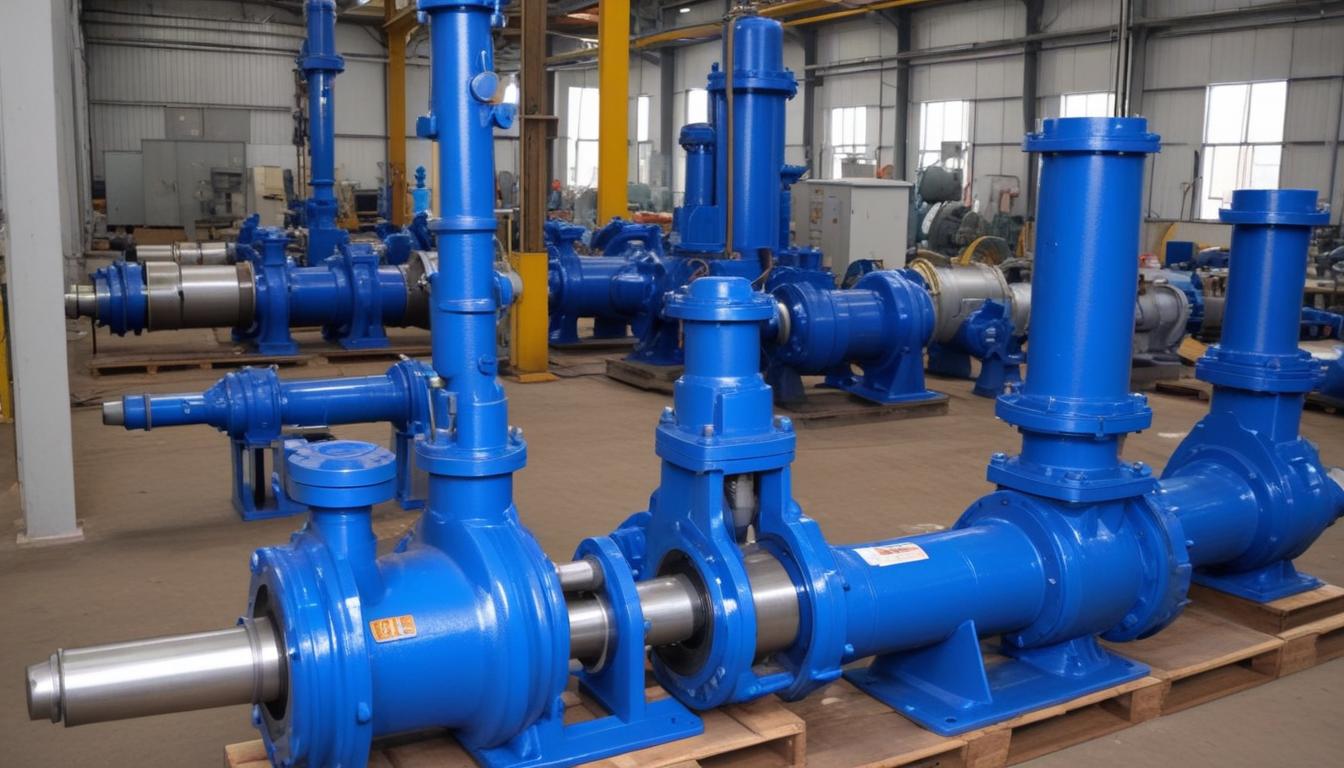
Adopting noise reduction technologies in progressive cavity pumps offers numerous advantages that extend beyond mere comfort. Engineers and pump users alike can benefit from the implementation of these systems, contributing to improved efficiency, maintenance, and regulatory compliance.
One of the most significant benefits is the enhancement of operational efficiency. Noise reduction technologies often coincide with optimized pump designs, resulting in lower energy consumption and minimized hydraulic losses. For instance, refined geometries in the rotor and stator can lead to smoother fluid flow, effectively decreasing energy wastage while also reducing noise emissions. This dual advantage makes pumps not only quieter but also more economically viable over time due to lower operational costs.
Additionally, a quieter working environment can lead to improved employee wellbeing and productivity. Excessive noise exposure is linked to several health issues, including stress, hearing loss, and decreased concentration. By integrating noise reduction solutions, organizations can foster a safer and more pleasant atmosphere for their workforce, ultimately translating into better organizational performance.
- Regulatory Compliance: Many industries face strict regulations regarding noise emissions. Implementing effective noise reduction technologies allows manufacturers to meet these requirements, thus avoiding potential penalties and enhancing their reputation.
- Extended Equipment Lifespan: Noise often indicates underlying problems that can lead to mechanical failure. By investing in noise reduction technologies, companies can minimize wear and tear on pump components, leading to longer service life and reduced maintenance costs.
- Improved Customer Satisfaction: In applications where progressive cavity pumps are used in consumer-facing environments, such as food processing or pharmaceuticals, low noise levels can greatly enhance end-user experiences. Satisfied customers are likely to be repeat clients and recommend services, thereby boosting business growth.
Moreover, successful noise reduction can lead to enhanced marketability of progressive cavity pumps. As industries become increasingly aware of sustainability and operational impacts, products that can demonstrate both efficiency and lower environmental burdens, including noise pollution, can stand out in a competitive market. This positioning not only attracts environmentally-conscious clients but also provides a marketing edge that can drive sales.
The advantages of integrating noise reduction technologies into progressive cavity pumps are manifold. From improving operational efficiency and employee productivity to ensuring compliance with regulations and extending equipment lifespan, these benefits underscore the importance of prioritizing noise management within pump applications. As the science of pump engineering continues to advance, embracing these innovations will play a critical role in optimizing both performance and user satisfaction across various industries.
Practical applications in various industries
In various industries, the application of progressive cavity pumps equipped with advanced noise reduction technologies has proven indispensable for enhancing operational efficiency and workplace safety. These pumps are commonly utilized in sectors such as food processing, wastewater treatment, oil and gas, and chemical manufacturing, where noise levels can significantly impact both employee welfare and equipment performance.
In the food processing industry, noise reduction in progressive cavity pumps plays a crucial role in maintaining a hygienic and safe environment. The quieter operation minimizes disruption in the production process and reduces stress for workers who are exposed to high decibel levels. Furthermore, these pumps facilitate the gentle handling of sensitive products, such as purees and liquids, without incorporating air that could lead to spoilage. Utilizing noise-reducing features such as proper insulation and enhanced materials helps ensure not only compliance with health standards but also supports consistency in product quality.
In wastewater treatment facilities, progressive cavity pumps must manage the demanding environment characterized by fluctuating flow rates and varying viscosities. Implementing noise reduction technologies enhances the operational reliability of these pumps, allowing for smoother and quieter operation even in complex applications. The reduction in noise levels contributes to worker safety, where communication becomes easier, and potential stress related to loud machinery is mitigated. This peaceful environment promotes more effective monitoring and maintenance practices, ultimately improving the facility’s overall performance.
The oil and gas industry also benefits significantly from the advancements in noise reduction for progressive cavity pumps. Here, pumps are responsible for transferring viscous fluids, often in remote locations where excessive noise can pose a challenge to personnel and wildlife alike. By adopting sound-attenuating techniques and materials, companies can minimize the auditory impact of their operations, leading to better community relations and compliance with environmental regulations. Additionally, the prolonged lifespan of quieter equipment often results in reduced maintenance costs and improved operational efficiency.
Similarly, in chemical manufacturing, the integration of noise reduction technologies enhances the overall work environment. These pumps are frequently used to handle aggressive and corrosive fluids, making their reliable operation paramount. Quieter pumps that utilize advanced design and materials not only protect workers from potentially hazardous noise levels but also improve process control and accuracy. This reduction in noise helps ensure that operations meet rigorous industry standards while contributing to a more focused and effective workforce.
The practical applications of noise reduction technologies in progressive cavity pumps are far-reaching. By enhancing operational efficiency, ensuring workplace safety, and supporting compliance with industry regulations, noise management has become an essential consideration for engineers and users alike. This focus on quieter pump operation not only benefits personnel but also contributes positively to the societal perception of industries that rely on these vital systems.
Future trends in pump noise management
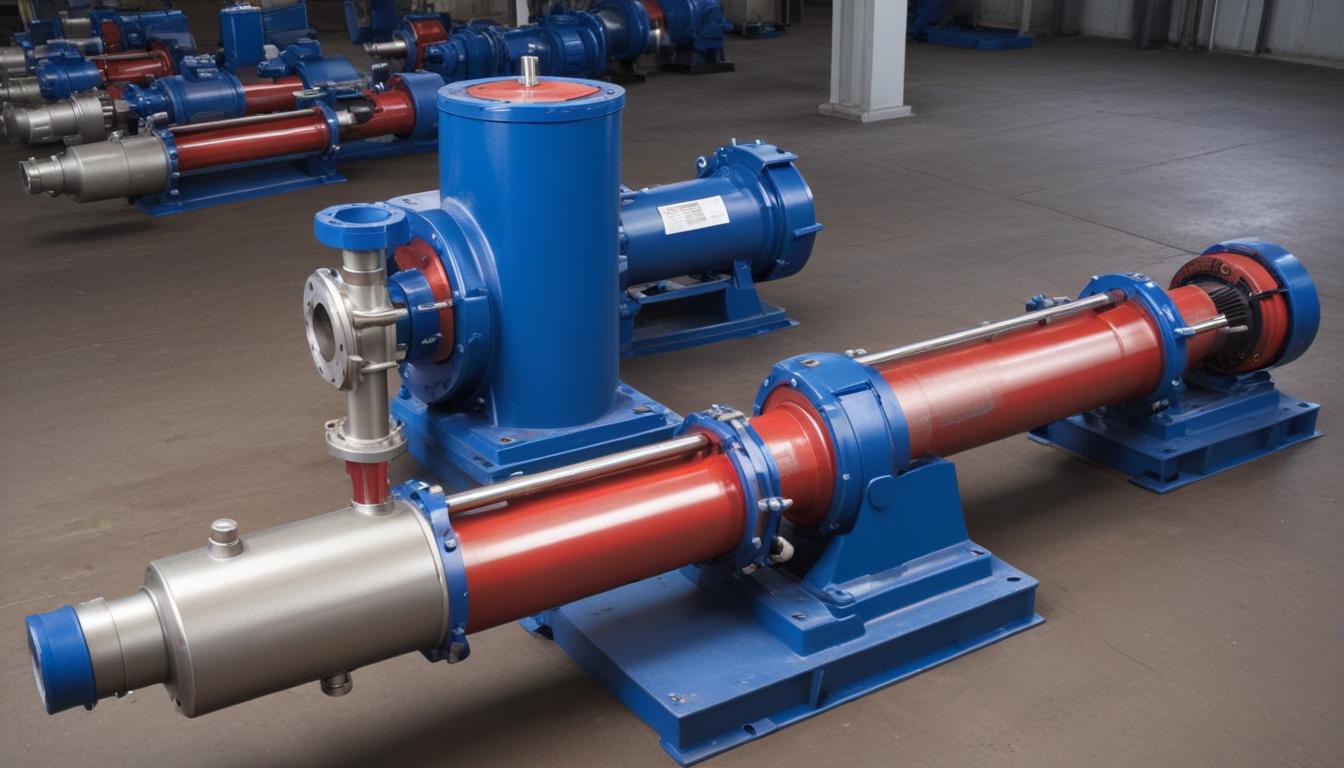
As industries continue to evolve and prioritize operational efficiency, the focus on noise management within the design and application of progressive cavity pumps is becoming increasingly critical. The future trends in pump noise management will likely center on innovative technologies, enhanced materials, and advanced design strategies that collectively aim to address the ongoing challenge of noise generation.
One promising direction is the integration of smart technology in progressive cavity pumps. The adoption of sensors and IoT (Internet of Things) devices will allow for real-time monitoring of noise levels, enabling operators to detect changes and make immediate adjustments to operations. This proactive approach facilitates not only compliance with regulatory standards but also enhances maintenance strategies by identifying potential issues before they escalate. Furthermore, predictive analytics can be implemented to forecast noise-related problems, allowing for timely interventions that could prevent operational disruptions.
Additionally, advancements in materials science are set to play a pivotal role in the future of noise reduction. Researchers are exploring new composite materials that possess superior sound-absorbing properties without compromising structural integrity. These innovative materials can effectively dampen vibrations and noise emissions, leading to quieter pump operation under various conditions. Furthermore, the development of biodegradable and eco-friendly materials can contribute to sustainability efforts within industries, offering a dual benefit of noise reduction and environmental responsibility.
Another significant trend is the refinement of aerodynamic design elements in the rotor and stator of progressive cavity pumps. Enhanced computational fluid dynamics (CFD) tools will enable engineers to simulate and optimize fluid flow more accurately, minimizing turbulence and noise. The use of advanced modeling techniques will lead to the creation of geometrically sophisticated designs that ensure efficiency while further decreasing sound levels produced during operation.
Industry collaborations between pump manufacturers, acoustic engineers, and research institutions will foster knowledge sharing and innovation. This collaborative approach will drive the development of comprehensive noise reduction frameworks that encompass all aspects of pump design, installation, and maintenance. By pooling expertise, the industry can accelerate the implementation of effective noise management solutions that address the diverse needs of various applications.
As societal awareness regarding noise pollution grows, industries will be compelled to adopt strategies that prioritize quieter operations. Regulatory bodies will likely enforce stricter noise emission standards, pushing manufacturers to enhance their noise reduction capabilities. This regulatory landscape will drive innovation and competition in the market, as companies that invest in quieter technologies may gain a significant competitive advantage.
Furthermore, the connection between noise reduction and energy efficiency is increasingly recognized. Quieter pumps often exhibit improved operational efficiency, leading to reduced energy consumption. This efficiency not only addresses the preferences of environmentally conscious consumers but also aligns with global efforts to mitigate climate change impacts. Thus, investments in noise reduction technologies can yield substantial energy savings, contributing to overall sustainability goals.
The future trends in pump noise management, marked by technological advancements, innovative materials, and collaborative efforts, will undoubtedly transform the landscape of progressive cavity pumps. As engineers and users prioritize science-based solutions, the emphasis will shift toward achieving not only superior performance but also enhanced comfort and well-being in various operational environments. This focus will ensure that the progressive cavity pumps of tomorrow are not only leaders in functionality but also champions of reduced noise impact.