The best lubricants for progressive cavity pumps
Lubricants play a crucial role in the operation and longevity of progressive cavity pumps. These pumps rely on a series of rotating screws to move fluids of varying viscosities and properties, which places significant mechanical demands on the internal components. The primary function of lubricants in this context is to reduce friction between moving parts, thereby minimizing wear and tear and enhancing the overall reliability of the pump.
Furthermore, the selection of the right lubricants can significantly impact the efficiency of the pump. By ensuring smooth operation, they help maintain the optimal performance of the progressive cavity pump, allowing for consistent delivery of fluid and reducing the risk of interruptions in service. Proper lubrication also aids in heat dissipation, which is essential in preventing overheating and potential damage to the pump assembly.
To optimize the benefits of lubricants, it is essential to consider factors such as viscosity, chemical compatibility with the pumped fluid, and temperature stability. Engineers and pump users should conduct thorough assessments to choose the best options available to enhance the life cycle and efficacy of progressive cavity pumps.
Types of lubricants suitable for progressive cavity pumps
When it comes to progressive cavity pumps, selecting the appropriate type of lubricants is critical to ensure optimal functionality and longevity. Several categories of lubricants can cater to the specific requirements of these pumps, each with unique properties that can significantly influence performance. Below are the main types of lubricants recommended:
- Mineral Oil-based Lubricants: These are refined from crude oil and are commonly used due to their availability and cost-effectiveness. They provide good lubrication under moderate temperature conditions and are suitable for standard applications.
- Synthetic Lubricants: Made from chemically engineered compounds, synthetic lubricants offer superior performance, especially under extreme temperatures and loads. Their stability and resistance to oxidation make them ideal for harsh operating environments.
- Biodegradable Lubricants: As environmental regulations tighten, biodegradable options have gained popularity. These lubricants are formulated to break down naturally, reducing ecological impact, and are particularly beneficial for applications where fluid leakage may occur.
- Water-based Lubricants: Typically used in less demanding applications, these lubricants contain a higher water content, offering cooling properties and ease of clean-up. However, they may not provide the same level of protection against wear as their oil-based counterparts.
- Greases: These semi-solid lubricants are used in applications where a lubricant must stay in place and not leak out under the effects of gravity or pressure. They provide excellent protection against corrosion and help seal against contaminants.
For optimal performance of progressive cavity pumps, choosing the right type of lubricant is paramount. Engineers should evaluate the specific application requirements, including operating temperature, viscosity, and fluid compatibility, to make the best choice. Each lubricant type has its advantages and limitations, thus understanding these factors ensures effective lubrication that protects pump components and enhances operational efficiency.
Factors to consider when selecting lubricants
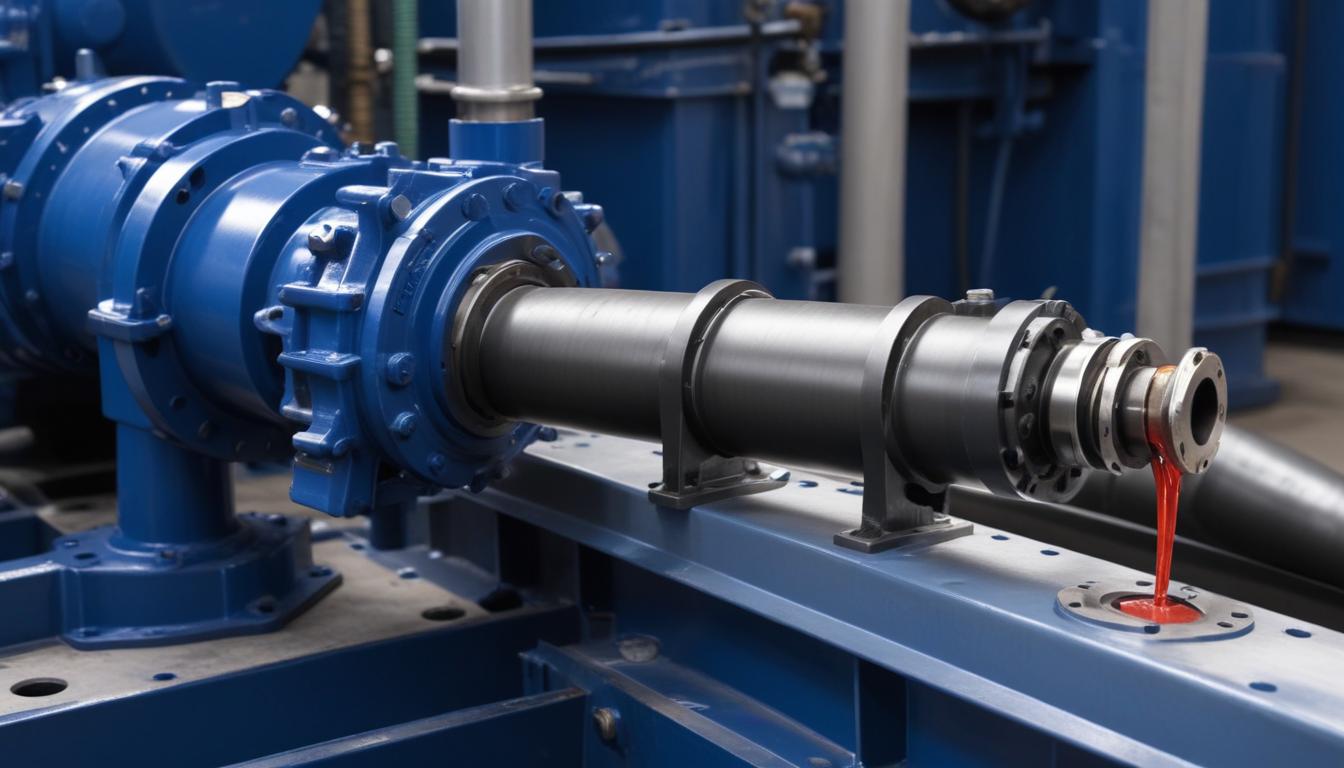
When selecting lubricants for progressive cavity pumps, several critical factors must be taken into account to ensure optimal performance and longevity of the pump system. Understanding these factors can significantly influence the operational efficiency and reliability of the pumps. Below are crucial considerations that engineers and pump users should evaluate:
- Viscosity: The viscosity of the lubricant is a vital characteristic, as it affects the lubricant’s ability to reduce friction and wear. It is important to select a lubricant with the appropriate viscosity for the specific operating conditions of the pump. Low viscosity may fail to protect under heavy loads, while overly high viscosity can hinder movement. Engineers should refer to the manufacturer’s specifications to identify the suitable viscosity range.
- Chemical Compatibility: It is essential to ensure that the lubricant is chemically compatible with the fluid being pumped. Incompatible lubricants can degrade rapidly, leading to pump failure and contamination of fluids. Conducting compatibility tests prior to selection is advisable, especially in applications involving aggressive chemicals.
- Operating Temperature Range: The lubricant must perform effectively within the operating temperature extremes expected in the application. Selecting lubricants that are stable and maintain their properties at both high and low temperatures can prevent breakdown and maintain effective lubrication throughout the pump’s operational range.
- Environmental Considerations: Depending on the application environment, it might be necessary to consider biodegradable or eco-friendly lubricants. This is particularly pertinent in industries concerned with regulatory compliance and environmental impact. Choosing lubricants that break down naturally can aid in minimizing the ecological footprint.
- Load Bearing Capacity: The lubricant’s ability to withstand mechanical loads is essential for protecting critical components of the pump from wear. Evaluating the EP (Extreme Pressure) and anti-wear properties of the lubricant will help determine its suitability for high-load applications.
By addressing these factors, engineers can make informed decisions about the best choices in lubricants for progressive cavity pumps. A comprehensive understanding of the operating conditions, fluid characteristics, and potential environmental impacts will guide users in selecting the most appropriate lubricant that enhances pump performance and lifespan.
Top recommended lubricants for optimal performance
When it comes to achieving the best performance in progressive cavity pumps, certain lubricants stand out due to their unique properties and compatibility with various operational demands. Based on extensive industry evaluations and user feedback, the following lubricants are highly recommended for ensuring optimal functioning and extended service life:
| Lubricant Type | Key Features | Recommended Applications |
|---|---|---|
| Synthetic Oils | Excellent thermal stability, low friction properties, and good resistance to oxidation. | Extreme temperature environments and heavy-load conditions. |
| Mineral Oils | Cost-effective with good lubricating properties under standard conditions. | General applications where extreme conditions are not present. |
| Biodegradable Lubricants | Eco-friendly, breaks down naturally, reducing environmental impact. | Applications where leakage is a concern, such as agricultural settings. |
| High-Performance Greases | Stay-in-place properties, excellent sealing against contaminants, and anti-corrosion features. | Vertical applications where conventional oils may leak out. |
| Water-based Lubricants | Easy cleanup, cooling properties, and cost-effective. | Less demanding applications with lower mechanical stresses. |
These lubricants are widely regarded for their ability to maintain the best choices in reducing wear and enhancing the efficiency of progressive cavity pumps. When selecting lubricants, it is crucial to consider factors such as the scalability of performance under varying operational conditions, compatibility with the pumped fluid, and specific industry requirements.
For example, synthesized oils have become the go-to option for high-load applications due to their superior thermal and oxidative stability, making them ideal for operations where extreme conditions are prevalent. Conversely, for operations prioritizing environmental sustainability, biodegradable lubricants offer effective risk management against environmental impacts.
Engineers and pump operators are encouraged to integrate these top recommended lubricants into their maintenance regimen. Doing so will not only enhance the operational efficiency of progressive cavity pumps but also extend their service life, ensuring that performance standards are consistently met or exceeded.
Maintenance tips for lubricant application in pumps
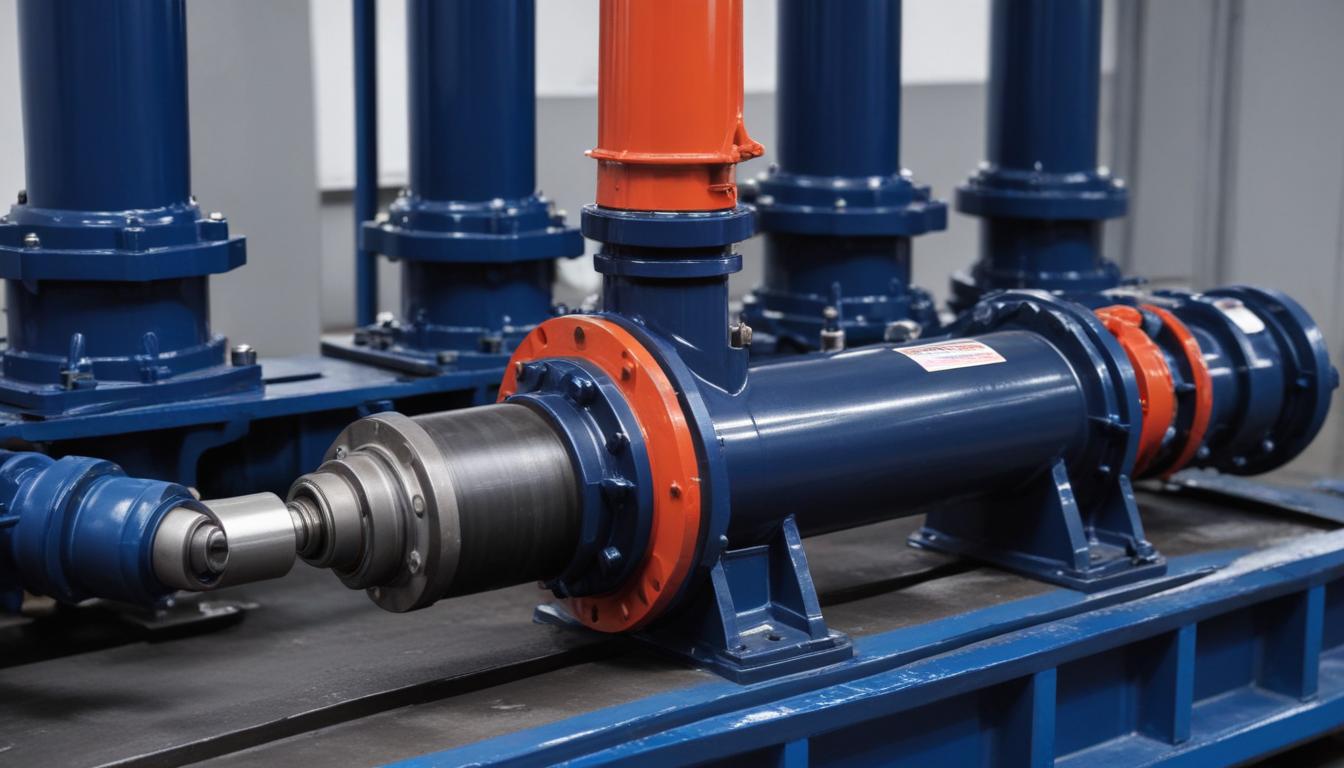
Ensuring proper application and maintenance of lubricants in progressive cavity pumps is essential for optimal performance and longevity of the pump systems. By following best practices for lubricant maintenance, engineers and pump operators can significantly enhance the reliability and efficiency of their equipment. Here are several maintenance tips to consider:
- Regular Lubricant Checks: Establish a routine for inspecting the lubricant levels and condition within the pump. Look for signs of contamination, discoloration, or changes in viscosity. Frequent monitoring will help detect any issues early and prevent potential damage.
- Fluid Replacement Schedule: Develop a schedule for replacing lubricants based on operating hours, fluid characteristics, and environmental conditions. Adhering to the manufacturer’s recommendations is crucial for maintaining optimal lubrication conditions. Always ensure to flush the system before introducing new lubricants to remove any residues.
- Contamination Control: Protect the lubricant from contamination by implementing proper sealing and filtration systems. Preventing foreign particles from entering the lubricant reservoir is vital to maintaining the integrity and performance of the lubricants. Consider using breathable, contamination-resistant containers for storage.
- Monitoring Operating Temperatures: Maintain operational temperatures within the recommended ranges for the chosen lubricant type. Overheating can degrade lubricants and affect their performance, leading to increased wear on pump components. Utilize temperature monitoring devices or alarms to track performance continuously.
- Lubricant Compatibility: When switching lubricant types, ensure compatibility with existing fluids in the system. Incompatible lubricants can lead to breakdown and system failures. Always refer to compatibility charts and perform necessary tests to confirm safe transitions between different lubricants.
- Educating Operators: Provide training for pump operators on proper lubricant handling and maintenance procedures. Knowledgeable personnel are essential for implementing best practices effectively, recognizing potential issues, and responding to lubrication-related problems promptly.
By following these maintenance tips, users of progressive cavity pumps can ensure that their systems are appropriately lubricated, minimizing wear and optimizing performance. Implementing a proactive approach to lubricant management can lead to enhanced efficiency, reduced downtime, and extended service life for pump components, ultimately leading to the best choices in operational excellence.