
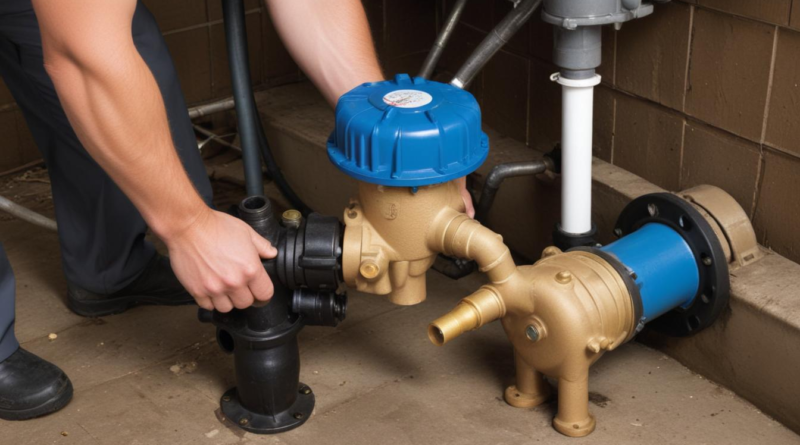
troubleshooting

Pumps

how to troubleshoot pump pressure issues

Pump pressure issues can compromise system efficiency and reliability. Detecting these problems involves monitoring pressure gauges, evaluating flow rates, listening for unusual noises, assessing energy consumption, and inspecting for leaks or vibrations. Systematic identification enables timely interventions, ensuring pumps operate within optimal parameters. By addressing pressure discrepancies early, technicians can maintain robust performance, prevent costly downtime, and enhance the longevity of pumping systems. Effective troubleshooting not only resolves current challenges but also fortifies the system against future disruptions, ensuring sustained efficiency and dependability.

Read More
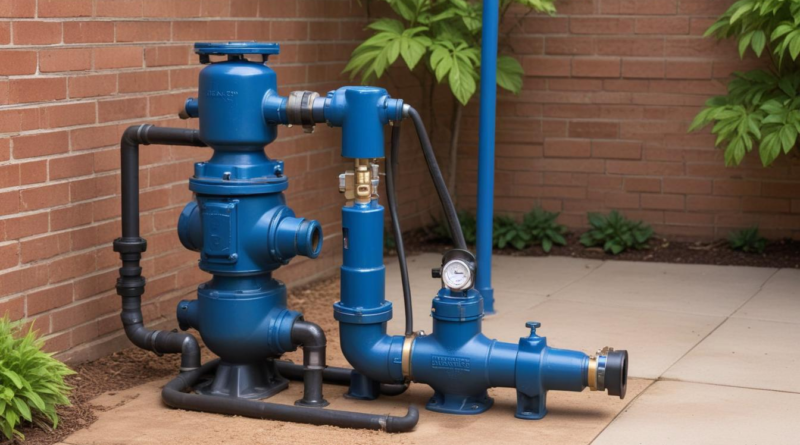

Pumps

how to troubleshoot low pump pressure

Pump pressure is essential for the efficiency and reliability of fluid handling systems. Influenced by pump design, fluid properties, and system configuration, maintaining optimal pressure prevents performance issues and potential failures. Common challenges include leaks, impeller damage, incorrect pressure settings, and electrical faults. Effective troubleshooting and regular maintenance of these factors ensure sustained pump performance and system integrity, highlighting the critical role pump pressure plays in operational success.

Read More
Pumps

how to troubleshoot pump bearing overheating

Pump bearing overheating poses serious risks, including equipment damage and operational downtime. Key indicators like rising temperatures, abnormal noises, excessive vibrations, and lubricant degradation signal potential issues. Effective prevention relies on maintaining proper lubrication, ensuring precise alignment, and monitoring electrical and mechanical stresses. Understanding these factors is crucial for safeguarding pump performance and extending system longevity.

Read More
Pumps

how to troubleshoot pump cavitation issues

Pump cavitation occurs when vapor bubbles form within the pump’s impeller or casing due to pressure drops below the liquid’s vapor pressure. This phenomenon can severely reduce performance and cause damage to pump components. Factors such as insufficient suction head, high liquid temperatures, and improper pump selection contribute to cavitation. Understanding the dynamics of cavitation is essential for effective troubleshooting and maintaining reliable, efficient pump operation.

Read More
Pumps

how to troubleshoot pump overheating issues

Pump overheating can cause significant operational disruptions and equipment failure. Key indicators include elevated temperatures, unusual noises, reduced performance, excessive vibrations, and warning signals. Addressing these issues involves evaluating electrical connections, inspecting cooling systems, managing pump loads, and implementing regular maintenance. Understanding and monitoring these factors are essential for ensuring reliable and efficient pump performance.

Read More