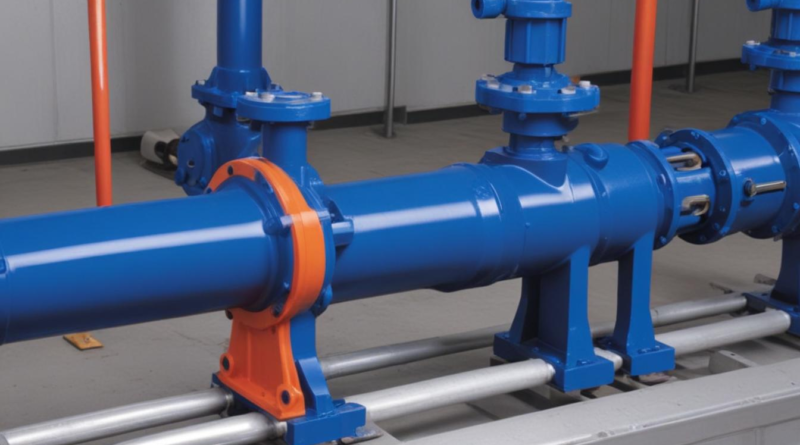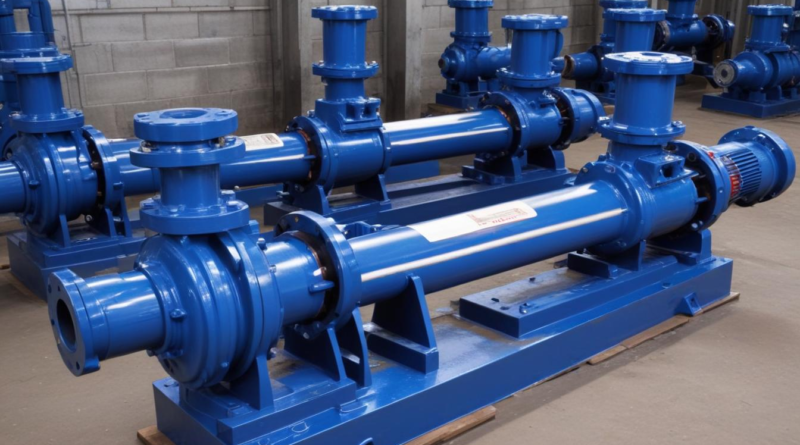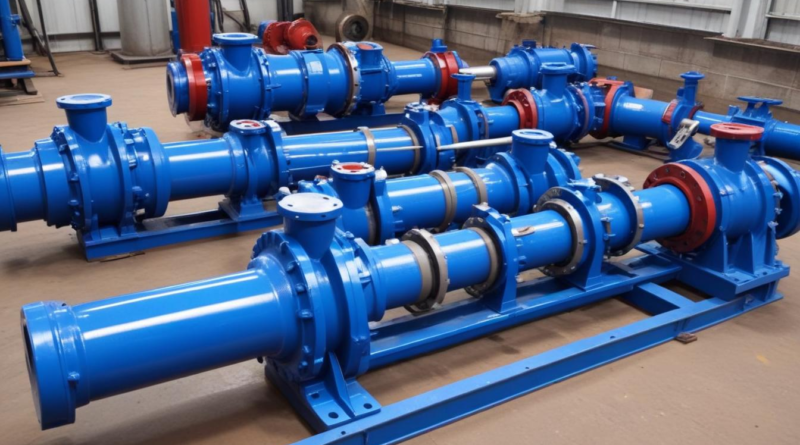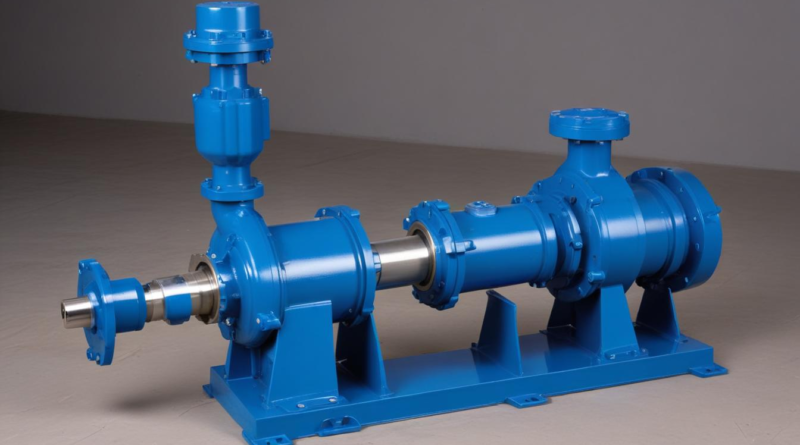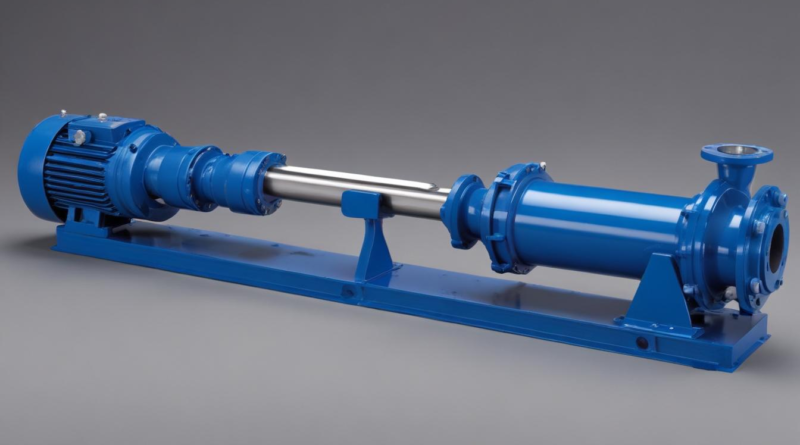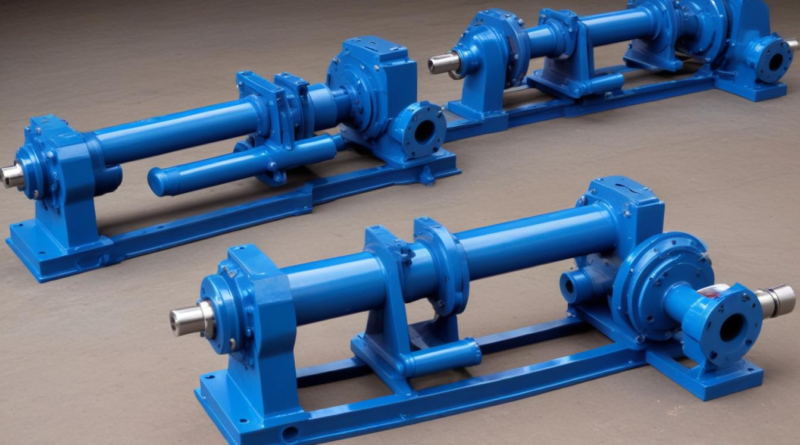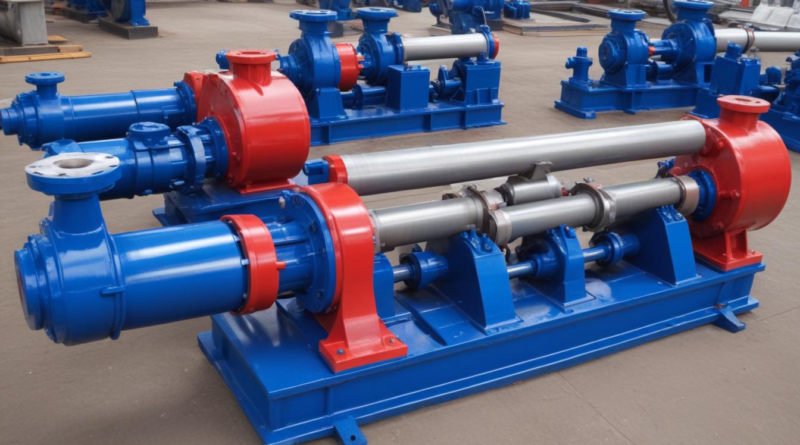
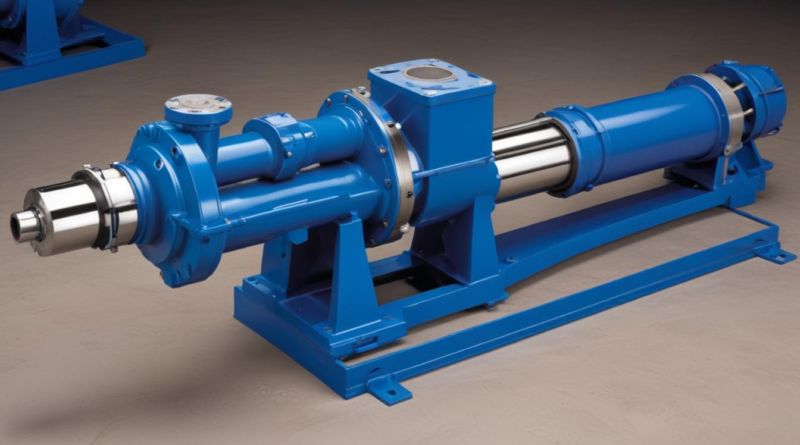
progressive cavity pumps

Pumps

Improving the reliability of progressive cavity pumps

Progressive cavity pumps are celebrated for their efficiency in managing viscous fluids, yet their performance is influenced by various critical factors. Material selection, proper sizing, and regular monitoring are key elements that determine their reliability. Advances in technology, such as smart sensors and predictive maintenance practices, further enhance operational longevity. Exploring these insights reveals the significance of tailored solutions in overcoming common challenges, ensuring that these pumps continue to deliver high performance in demanding environments.

Read More
Pumps

Predictive maintenance strategies for progressive cavity pumps

Unlocking the potential of progressive cavity pumps hinges on predictive maintenance, a strategy that anticipates failures before they disrupt operations. By continuously monitoring performance data through advanced techniques such as vibration analysis and thermal imaging, engineers can optimize efficiency and extend pump lifespans. Key performance indicators inform a proactive approach, transforming maintenance from reactive to strategic. Explore how integrating real-time data analytics and condition monitoring can revolutionize pump management, driving down costs and elevating reliability across industries.

Read More
Pumps

Progressive cavity pumps vs centrifugal pumps: pros and cons

Progressive cavity pumps provide unique advantages in handling viscous and shear-sensitive fluids, making them essential for various industrial applications. Their design ensures a gentle, continuous flow, minimizing damage to sensitive materials. While they excel in challenging conditions, including slurries with high solid content, their installation and maintenance can be complex. In contrast, centrifugal pumps offer high flow rates and simpler maintenance, but struggle with viscous fluids and can face efficiency drops under variable conditions. Exploring the trade-offs between these two pump types reveals critical insights for engineers seeking optimal performance.

Read More
Pumps

Impact of temperature on progressive cavity pump performance

Temperature fluctuations profoundly influence the performance of progressive cavity pumps, affecting fluid viscosity and operational efficiency. Low temperatures increase viscosity, leading to higher energy demands and potential cavitation, while high temperatures can enhance efficiency but risk component wear. Engineers must consider these dynamics when designing systems, emphasizing material selection and thermal management strategies. Case studies reveal how effective temperature control can optimize pump performance across various industries, illustrating the critical need for proactive approaches to ensure reliability and longevity.

Read More
Pumps

How to achieve optimal performance with progressive cavity pumps

Understanding the optimized operation of progressive cavity pumps is essential for maximizing performance and longevity. Key operating conditions, like viscosity, temperature, and system pressure, directly influence efficiency. Addressing these factors, along with implementing proper maintenance and integration strategies, can prevent common issues that disrupt operation. Equipping systems with advanced monitoring and adhering to best practices not only enhances reliability but also extends the service life of these critical pumping solutions.

Read More
Pumps

Choosing the right material for your progressive cavity pumps

Effective material selection for progressive cavity pumps is critical for ensuring their performance and durability. Factors such as fluid characteristics, operational environment, and regulatory standards play a vital role in determining the most suitable materials. Different materials, including metals, polymers, and composites, offer unique advantages and challenges. Understanding these properties is essential for engineers to choose materials that meet specific application needs while minimizing maintenance costs and enhancing operational efficiency. The complexities involved highlight the importance of informed decision-making in material choices for pump reliability.

Read More
Pumps

Installation guidelines for progressive cavity pumps

Successful installation of progressive cavity pumps hinges on meticulous planning and attention to detail. Key considerations include site evaluation, proper layout, mounting stability, and precise alignment to enhance performance and longevity. Adequate clearance and environmental safeguards are essential, as are compatible materials for piping and electrical components. Each step, from selecting appropriate fittings to ensuring proper ventilation, plays a critical role in operational efficiency. Adhering to these guidelines can significantly reduce maintenance costs and improve overall reliability, making the installation process pivotal to long-term success.

Read More
Pumps

Why progressive cavity pumps are ideal for viscous fluids

Progressive cavity pumps offer a unique solution for efficiently transporting viscous and solid-laden fluids. Their helical rotor design ensures a consistent flow rate and minimal shear stress, making them ideal for delicate applications in industries like food processing, chemical manufacturing, and wastewater treatment. With low maintenance needs and durability in challenging conditions, these pumps stand as essential equipment for optimizing fluid transfer operations. Discover how their versatility and robust construction can enhance productivity across a range of industrial environments.

Read More
Pumps

Top manufacturers of progressive cavity pumps

The progressive cavity pump market is witnessing dynamic growth, driven by increasing demand across diverse industries. Key manufacturers are enhancing their products through technological innovations, emphasizing efficiency, customization, and sustainability. As industries like food processing, wastewater treatment, and pharmaceuticals seek reliable solutions for fluid handling, these pumps are evolving with smart technology and energy-efficient designs. The competitive landscape is marked by a focus on durability and customer support, positioning manufacturers to meet the complex needs of modern applications effectively.

Read More
Pumps

Differences between single and double progressive cavity pumps

The design and construction of progressive cavity pumps are essential in determining their functionality across diverse applications. Differentiated by rotor and stator configurations, single and double pumps cater to unique operational needs. Understanding their performance metrics—including flow rates, efficiency, and durability—reveals insights into their effectiveness in handling varying viscosities and pressures. The choice between them involves careful consideration of application requirements, maintenance demands, and cost implications, making it crucial for industries to align pump selection with specific operational goals.

Read More