functionality

Pumps

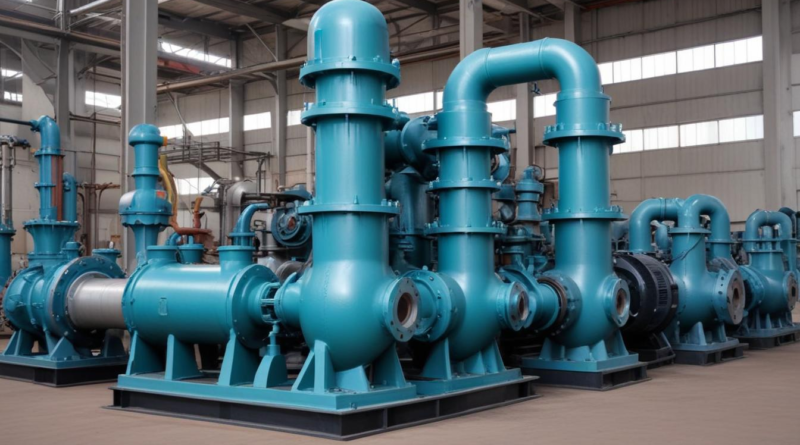
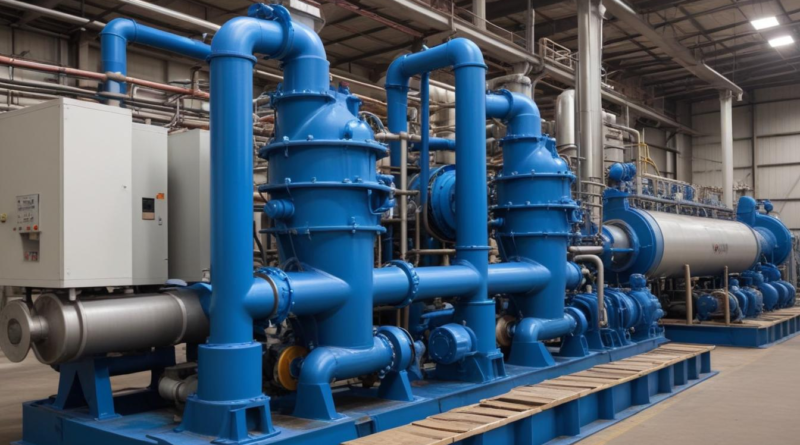
the role of pumps in industrial drying processes

Industrial drying pumps are essential for optimizing drying processes across various industries. By leveraging different types—centrifugal, positive displacement, and vacuum pumps—industries can enhance performance and efficiency. Key selection factors such as flow rate, fluid properties, and energy consumption play a crucial role in achieving desired outcomes. Emerging technologies like IoT and smart systems are driving advancements, making drying operations more reliable and sustainable.

Read More
Pumps

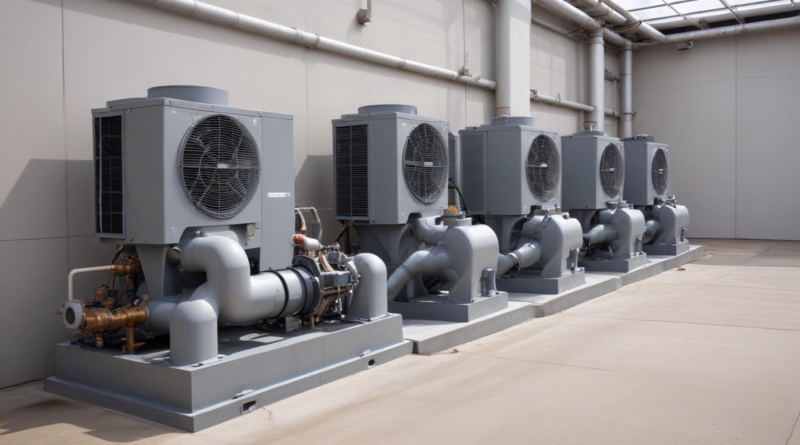
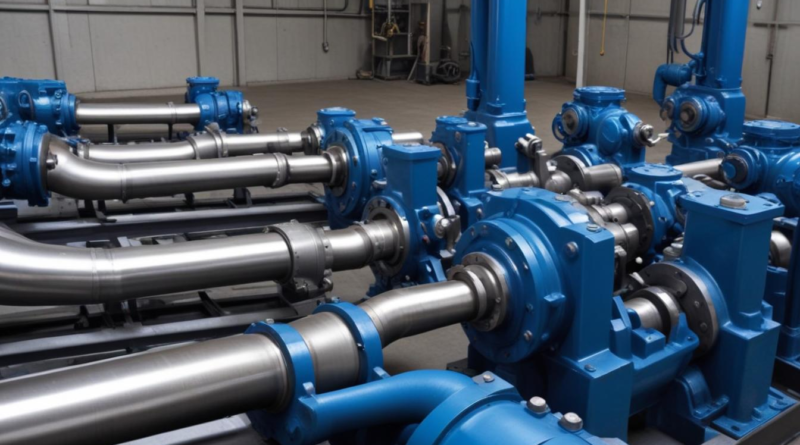
the role of pumps in HVAC cooling

HVAC cooling pumps are vital for maintaining optimal indoor temperatures by continuously circulating coolant to manage heat exchange. From centrifugal and positive displacement to vertical inline pumps, each type offers unique benefits tailored to specific cooling needs. Advances in energy-efficient technologies and smart systems are enhancing pump performance, reliability, and sustainability, shaping the future of building climate control.

Read More
Pumps

the role of pumps in hydraulic systems

Hydraulic systems depend on various pump types, each tailored to enhance functionality in specific applications. Understanding the unique characteristics of gear, vane, piston, and screw pumps is essential for optimizing performance and ensuring reliability across diverse industries. From construction and agriculture to aerospace and energy, selecting the right pump can significantly impact efficiency and operational success.

Read More
Pumps

the role of pumps in refrigeration systems

Efficient refrigerant circulation is essential for reliable refrigeration systems, achieved through various pump types such as centrifugal and positive displacement pumps. Selecting the right pump involves evaluating factors like flow rate, pressure requirements, refrigerant compatibility, and energy efficiency. Additionally, implementing regular maintenance and utilizing advanced diagnostic tools ensure sustained system performance and cost-effectiveness. By understanding the distinct roles and advantages of each pump type, optimal system performance and longevity are attainable, supporting both operational efficiency and environmental sustainability.

Read More
Pumps

the role of pumps in sewage systems

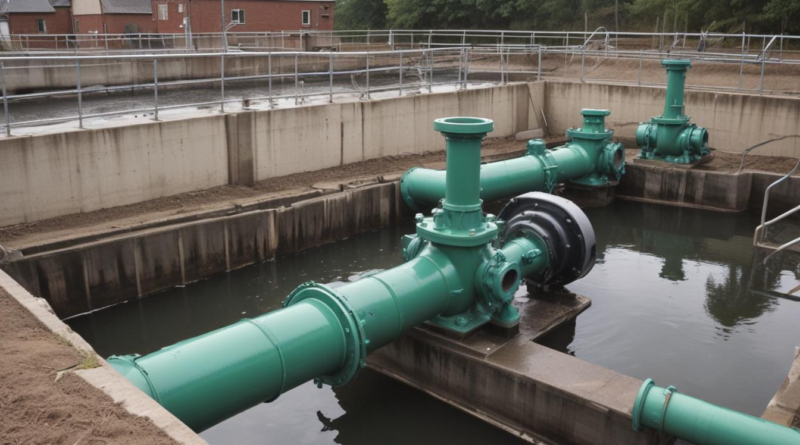
Various sewage pump types—including submersible, grinder, and IoT-enhanced models—are fundamental to effective wastewater management. Selecting the right pump involves considerations like flow rate, energy efficiency, and material compatibility. Additionally, proper maintenance and emerging technologies are shaping the future of reliable and sustainable sewage systems.

Read More
Pumps

the role of pumps in industrial fluid handling

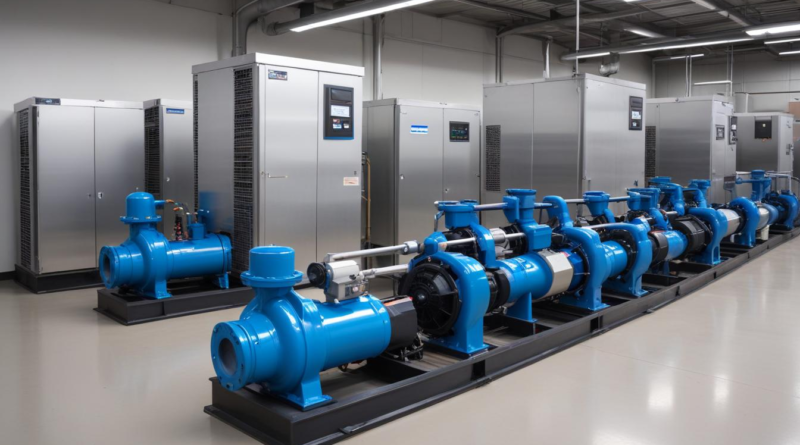
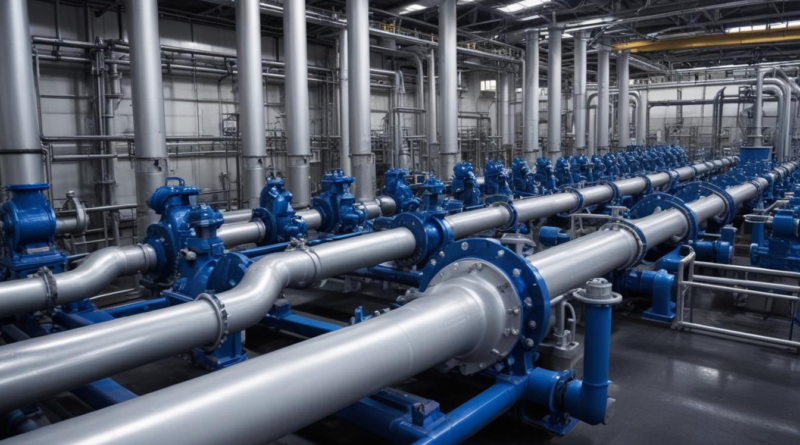
Industrial fluid pumps are available in diverse types, each engineered for specific functionalities to address varied industrial requirements. Selecting the appropriate pump ensures efficient fluid handling and system reliability. Critical factors include fluid properties, flow rate, pressure, temperature, material compatibility, and energy efficiency. These pumps are essential across multiple sectors, including chemical processing, oil and gas, food and beverage, pharmaceuticals, and power generation, where they enhance performance and sustainability in complex industrial operations.

Read More
Pumps

the role of pumps in water distribution systems

Pumps are critical to water distribution systems, ensuring consistent pressure and uninterrupted flow from treatment facilities to end-users. Various pump types, including centrifugal and submersible pumps, address challenges like elevation changes and long distances. Effective selection, sizing, and maintenance practices enhance system reliability and energy efficiency. Advancements in smart technology and energy-efficient designs are further optimizing the functionality and sustainability of modern water supply networks.

Read More
Pumps

the role of pumps in industrial cooling towers

Industrial cooling tower pumps are vital for maintaining optimal water flow and system efficiency in cooling operations. From centrifugal to submersible models, each pump type offers unique advantages tailored to specific industrial needs. Proper selection, regular maintenance, and energy-efficient practices are essential to ensure reliable performance and cost-effective operations. Understanding the diverse functionalities and benefits of these pumps can significantly enhance the performance and sustainability of cooling systems across various applications.

Read More
Pumps

the role of pumps in industrial blending

Selecting the right industrial blending pump is essential for achieving optimal performance and consistency in various applications. From centrifugal and positive displacement pumps to peristaltic and screw pumps, each type offers unique functionalities tailored to specific blending needs. Understanding key factors such as flow rate, viscosity, chemical compatibility, and energy efficiency ensures effective pump selection. Additionally, implementing robust maintenance strategies and energy optimization techniques can significantly enhance system reliability and sustainability. Explore how different pump solutions drive efficiency and quality across diverse industries.

Read More
Pumps

the role of pumps in irrigation systems

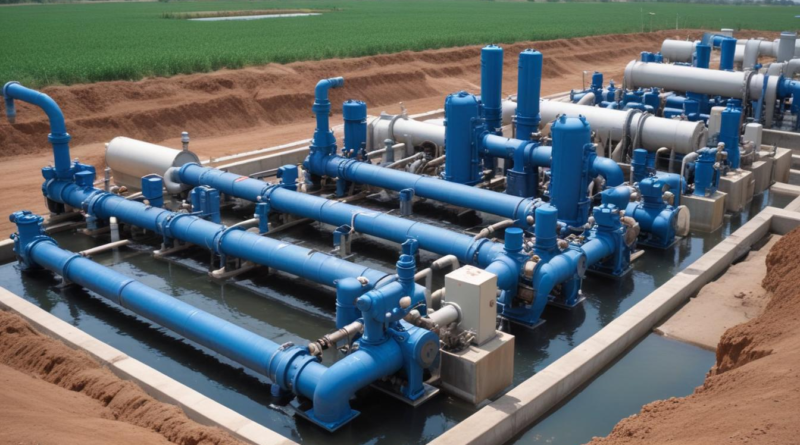
Irrigation pumps are critical for effective agricultural water distribution, with each type designed to meet specific needs. From centrifugal and positive displacement pumps to submersible and solar-powered options, understanding their unique features is key to optimal selection. Factors such as water source, flow rate, energy availability, and system design play a crucial role in determining the best pump for any situation. Additionally, proper installation, regular maintenance, and energy-efficient practices ensure reliability and sustainability, enhancing the overall functionality and efficiency of irrigation systems.

Read More