Energy efficiency of progressive cavity pumps explained
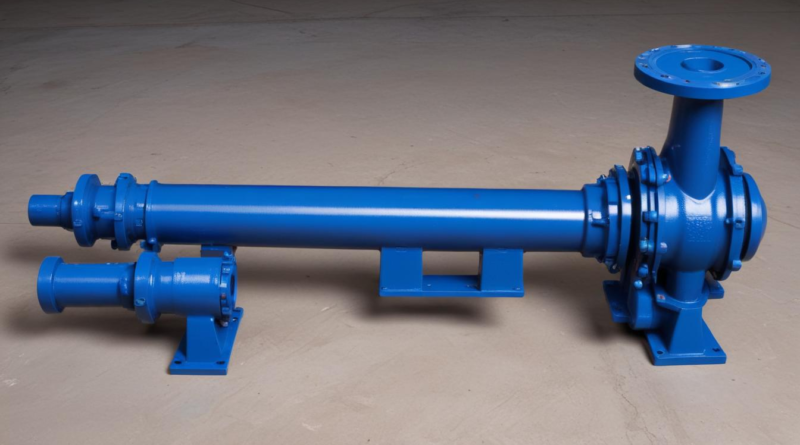
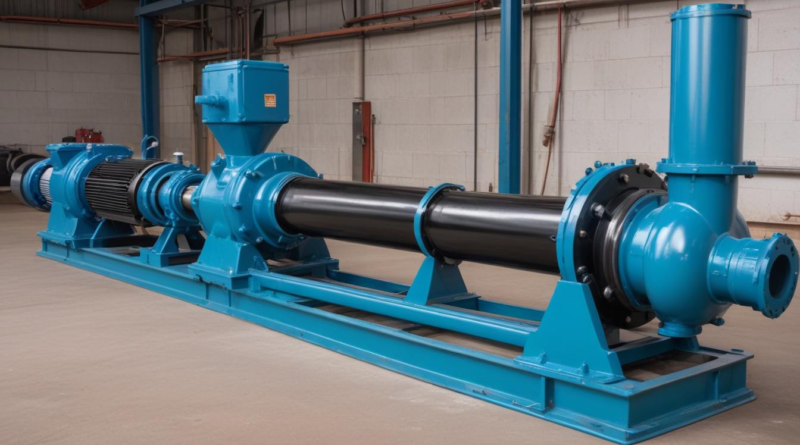
Progressive cavity pumps are increasingly recognized for their exceptional energy efficiency, especially in handling viscous and shear-sensitive fluids. Designed to maintain a consistent flow rate with minimal energy loss, these pumps outperform traditional types in cost-saving potential. Key factors influencing their efficiency include fluid viscosity, operating speed, and proper sizing. Case studies reveal substantial energy reductions and improved system performance across various industries, highlighting their adaptability and reduced maintenance needs. Understanding these elements is crucial for maximizing operational effectiveness and promoting sustainable practices in industrial applications.
Read More