efficiency

Pumps

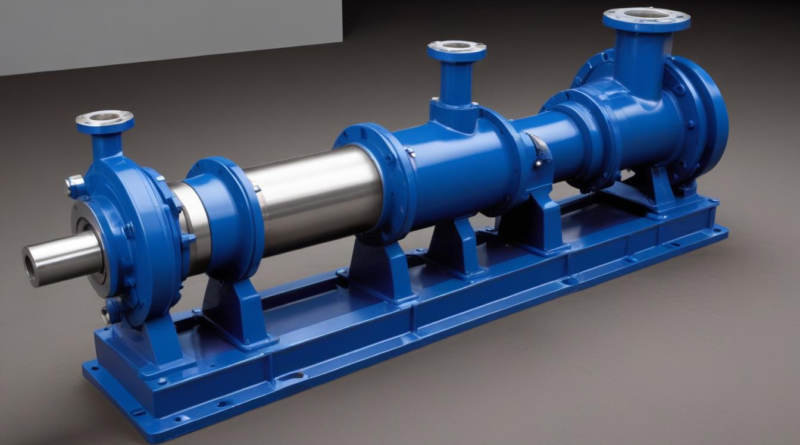
Improving efficiency of progressive cavity pumps through design

The performance metrics of progressive cavity pumps hinge on multiple critical design factors. From fluid dynamics and mechanical tolerances to material selection and motor optimization, every aspect plays a role in enhancing efficiency. Innovations such as smart technology integration, modular designs, and advanced materials promise further advancements, while proactive maintenance strategies ensure long-term reliability. As engineers meet evolving operational demands, the quest for improved efficiency in pump design continues to shape the industry’s future, raising intriguing possibilities for enhanced operational capabilities.

Read More
Pumps

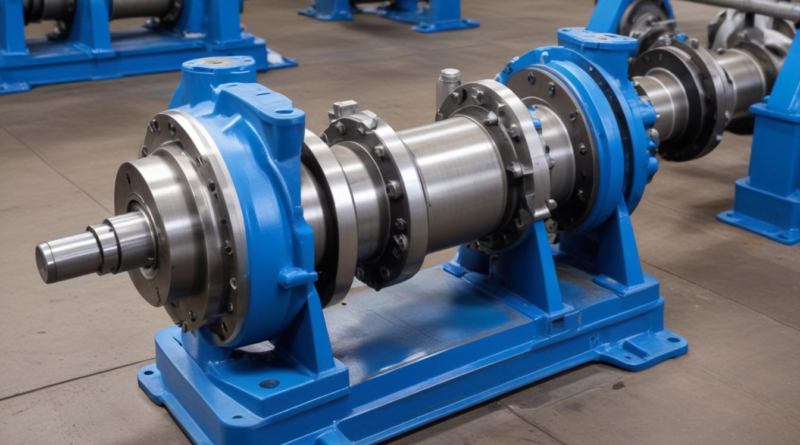
the importance of pump alignment

Pump alignment is essential for integrating pumps with motors, ensuring optimal efficiency and longevity. By adjusting shaft positions to minimize misalignments, it reduces mechanical stress and energy consumption while enhancing operational reliability. Utilizing methods like static and dynamic alignment, organizations can lower maintenance costs and prevent issues such as increased wear and unexpected downtime. Proper alignment not only supports sustainable operations but also safeguards equipment integrity, highlighting its critical role in maintaining effective and reliable pumping systems.

Read More
Pumps

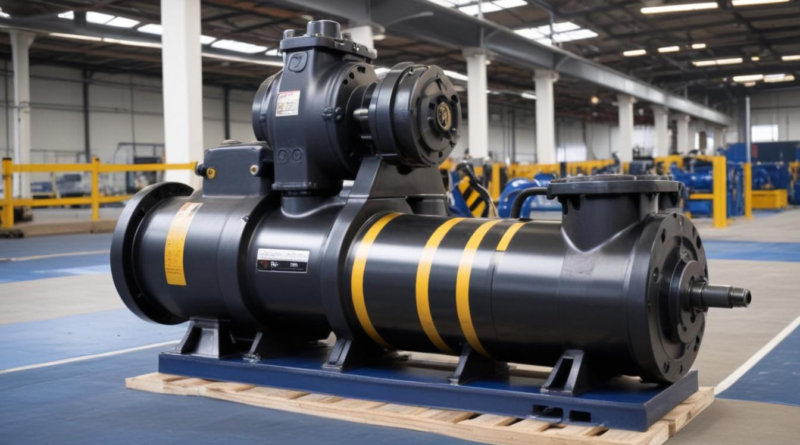
the impact of pump speed on performance

Pump speed, measured in RPM, is a vital factor that affects a pump’s flow rate, head, and power consumption. The pump affinity laws provide a framework for understanding these relationships, enabling optimization of pump operations for enhanced efficiency and performance. Adjusting pump speed allows systems to meet specific demands, achieve energy savings, and influence the longevity of pump components. Balancing speed adjustments is crucial to maintain system stability and maximize overall effectiveness.

Read More