comparison

Pumps

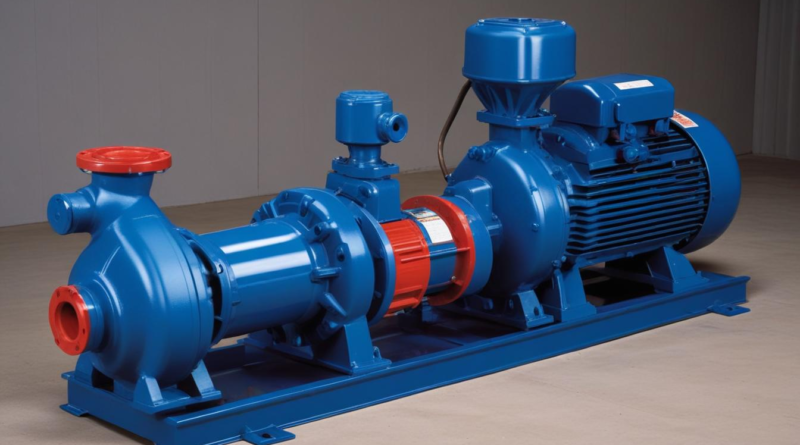
Progressive cavity pumps vs centrifugal pumps: pros and cons

Progressive cavity pumps provide unique advantages in handling viscous and shear-sensitive fluids, making them essential for various industrial applications. Their design ensures a gentle, continuous flow, minimizing damage to sensitive materials. While they excel in challenging conditions, including slurries with high solid content, their installation and maintenance can be complex. In contrast, centrifugal pumps offer high flow rates and simpler maintenance, but struggle with viscous fluids and can face efficiency drops under variable conditions. Exploring the trade-offs between these two pump types reveals critical insights for engineers seeking optimal performance.

Read More
Pumps

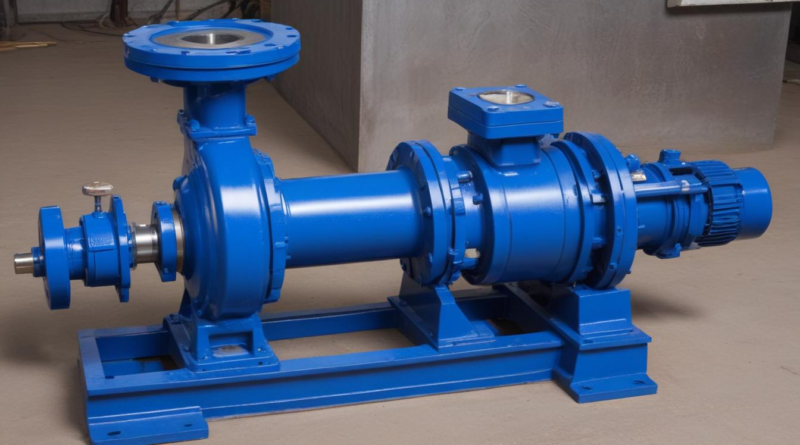
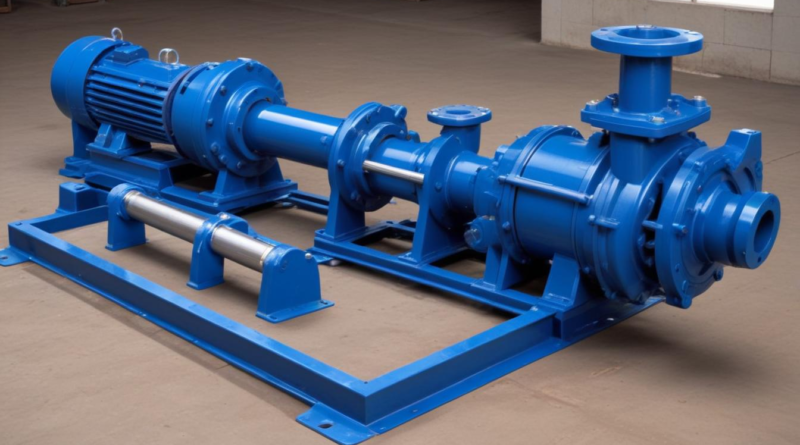
Comparing progressive cavity pumps to other pump types

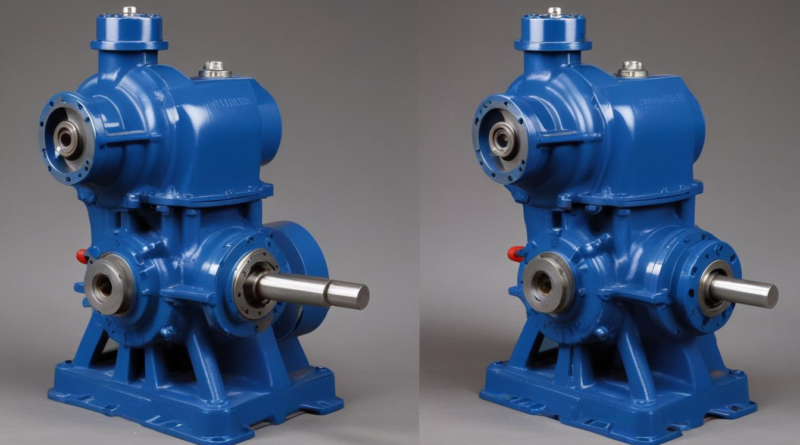
Progressive cavity pumps stand out in fluid handling due to their unique helical rotor design, enabling them to efficiently transport a wide range of fluids, including thick and shear-sensitive materials. Their ability to operate under varying conditions while maintaining a constant flow rate positions them as a reliable choice across industries like wastewater treatment, food processing, and chemical manufacturing. With reduced maintenance needs and exceptional solid handling capabilities, these pumps offer significant advantages over traditional centrifugal options, making them essential in many demanding applications.

Read More
Pumps

rotary vs reciprocating pumps

Rotary and reciprocating pumps operate on distinct principles, resulting in unique performance characteristics. Rotary pumps deliver a continuous, steady flow ideal for applications requiring consistent pressure and high efficiency. Conversely, reciprocating pumps provide high pressure and precise flow control, making them suitable for demanding tasks that need robustness and accuracy. Understanding these fundamental differences is key to selecting the optimal pump type for specific operational needs.

Read More
Pumps

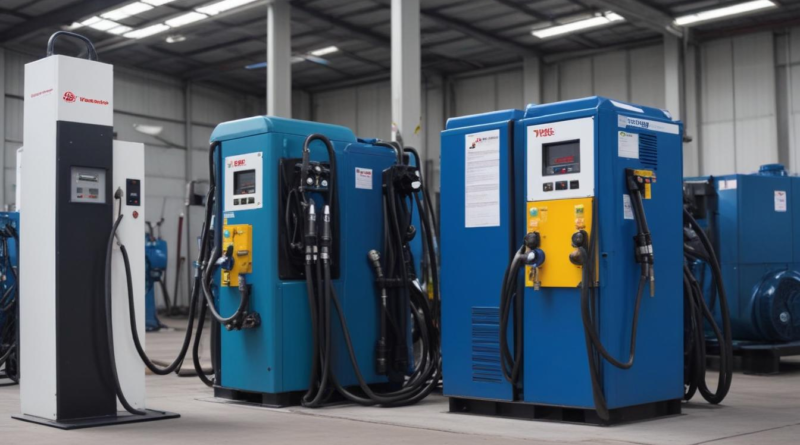
comparison between electric and diesel pumps

Electric and diesel pumps differ significantly in energy efficiency, responsiveness, and adaptability to various operational demands. Electric pumps offer higher energy conversion rates and consistent performance, while diesel pumps provide portability and independence from the electrical grid. Additionally, maintenance requirements and environmental impacts vary, influencing their suitability for diverse applications.

Read More