benefits

Pumps

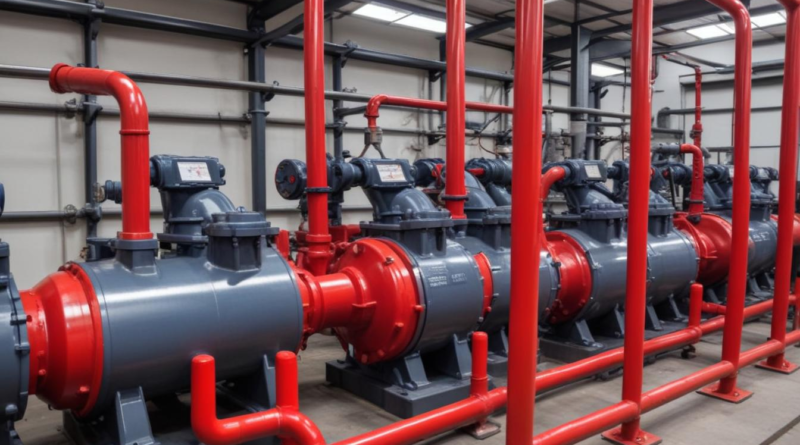
the benefits of using vertical pumps

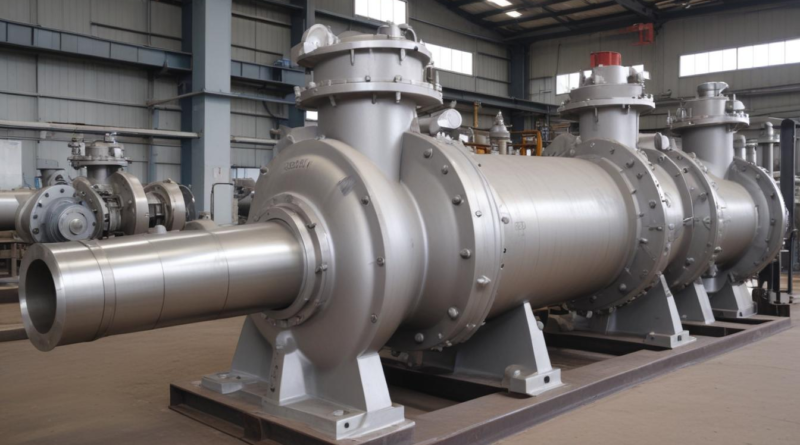
Vertical pumps stand out for their superior efficiency and compact design, making them ideal for diverse industrial and commercial applications. By minimizing energy loss through direct coupling and optimized impeller geometry, these pumps ensure consistent performance while reducing energy consumption. Their space-saving vertical orientation allows easy integration into limited areas, enhancing operational flexibility. Additionally, vertical pumps offer exceptional maintenance ease and reliability, thanks to accessible components and robust construction. Suitable for sectors like water treatment, oil and gas, and HVAC systems, vertical pumps provide a versatile and energy-efficient solution for modern fluid handling needs.

Read More
Pumps

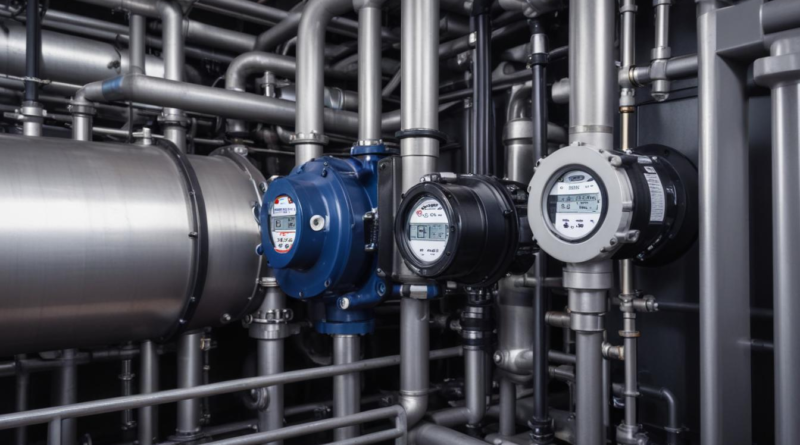
the benefits of smart pump diagnostics

Smart diagnostics transform pump systems with real-time monitoring, predictive maintenance, and energy optimization. These advanced technologies boost operational efficiency, reduce costs, and enhance safety and reliability. Seamless integration with existing infrastructures and user-friendly interfaces ensure scalable and sustainable pump operations, driving significant improvements in performance and resource management.

Read More
Pumps

the benefits of using magnetic drive pumps in chemical industries

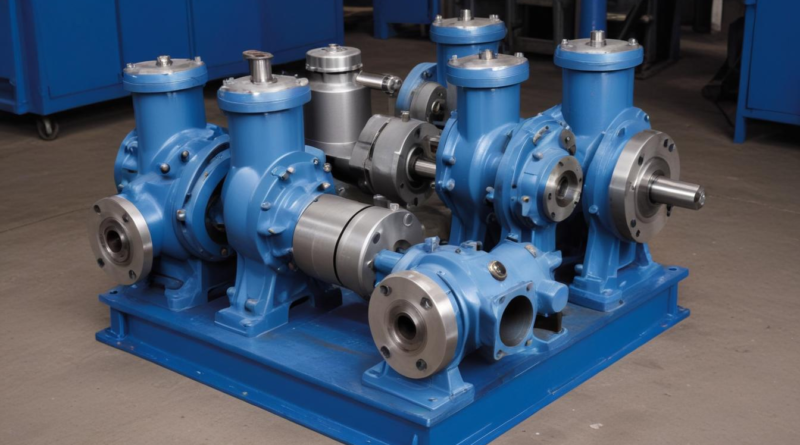
Magnetic drive pumps revolutionize the chemical industry with leak-free operation and advanced safety mechanisms. By eliminating traditional mechanical seals, they significantly reduce leakage risks when handling hazardous and corrosive fluids. These pumps offer minimal maintenance requirements, enhanced chemical resistance through specialized materials, and notable energy efficiency improvements. Their robust design ensures reliability and compliance with stringent safety regulations while lowering operational costs and supporting environmental sustainability. Explore how magnetic drive technology sets a new standard for efficiency and safety in chemical processing applications.

Read More
Pumps

the benefits of using stainless steel in pump construction

Stainless steel pumps provide unparalleled corrosion resistance and exceptional durability, making them ideal for harsh industrial environments. Their robust construction ensures a long lifespan and reliable performance across diverse applications, including chemical processing, marine settings, and water treatment. With minimal maintenance requirements and cost-effective operation, these pumps deliver consistent efficiency and reliability, meeting the demanding needs of various industries.

Read More
Pumps

the benefits of using piston pumps

Piston pumps deliver efficient fluid handling with precise flow control and high volumetric efficiency. Their robust construction ensures durability and the ability to generate consistent high pressures, making them essential for applications like hydraulic systems, chemical processing, and water treatment. Versatile and low-maintenance, piston pumps adapt to various industries, enhancing operational performance and reliability. Their ability to handle diverse fluids and maintain steady performance under demanding conditions underscores their vital role in optimizing industrial and commercial processes.

Read More
Pumps

the benefits of using cast iron pumps

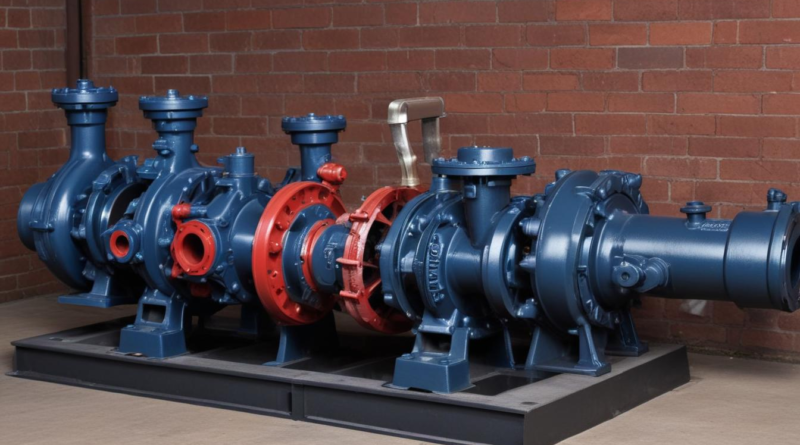
Cast iron pumps are highly regarded for their exceptional durability and longevity, making them a top choice in a wide range of industrial and commercial applications. Their sturdy construction endures harsh conditions, including high pressures and abrasive fluids, while resisting wear, corrosion, and fatigue. This results in reliable, long-lasting performance with minimal maintenance. Additionally, cast iron pumps offer cost-effectiveness through lower total ownership costs and energy efficiency. Their versatility spans sectors such as water treatment, oil and gas, and manufacturing, highlighting their role as a dependable solution for demanding operational needs.

Read More
Pumps

the benefits of using magnetically coupled pumps

Magnetically coupled pumps utilize magnetic interactions to transfer torque without direct mechanical seals, enhancing reliability and minimizing leakage risks. This innovative design ensures sealed operation, boosts energy efficiency, and reduces maintenance needs. Ideal for handling corrosive, abrasive, or hazardous fluids, these pumps offer superior safety and adaptability across various industries such as chemical processing, wastewater treatment, and food manufacturing. Their ability to accommodate misalignments and operate under diverse conditions highlights their versatility and effectiveness in demanding environments.

Read More
Pumps

the benefits of using centrifugal pumps

Centrifugal pumps are celebrated for their high efficiency and dependable performance, enabling smooth fluid transfer across diverse industries. Their scalable design ensures consistent flow with minimal energy loss, while offering economic benefits like lower initial costs and reduced maintenance. Widely used in sectors from water treatment to oil and gas, these pumps deliver adaptability and durability, supporting efficient operations and long-term cost savings. Their versatile nature makes centrifugal pumps a cornerstone in numerous industrial and commercial applications.

Read More
Pumps

the benefits of using submersible pumps

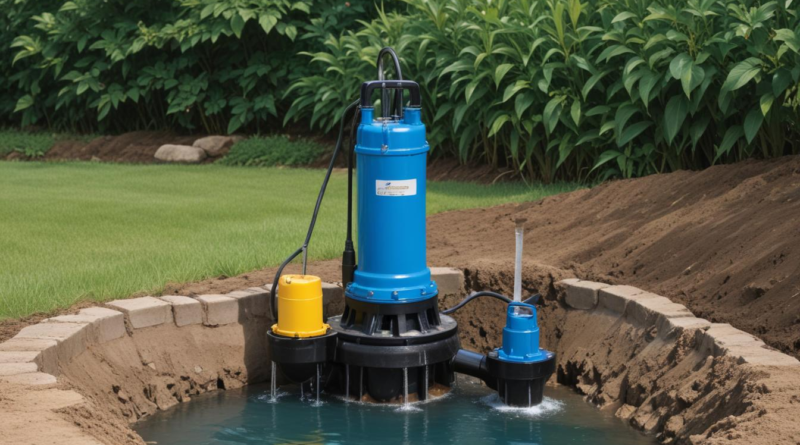
Submersible pumps are renowned for their energy efficiency and robust durability, operating beneath water to minimize energy loss and maximize performance. Their sealed design ensures reliability with low maintenance, while quiet operation makes them ideal for diverse applications such as municipal water systems, agricultural irrigation, and industrial manufacturing. These pumps offer sustainable, versatile solutions across various environments.

Read More
Pumps

the benefits of pump redundancy

Pump redundancy is vital for maintaining continuous operations in industrial and commercial systems. By deploying multiple pumps, systems remain functional during failures or maintenance, minimizing shutdown risks and operational disruptions. Redundant setups enhance fault tolerance, ensure consistent performance, and support scalability, ultimately boosting system reliability and efficiency.

Read More