
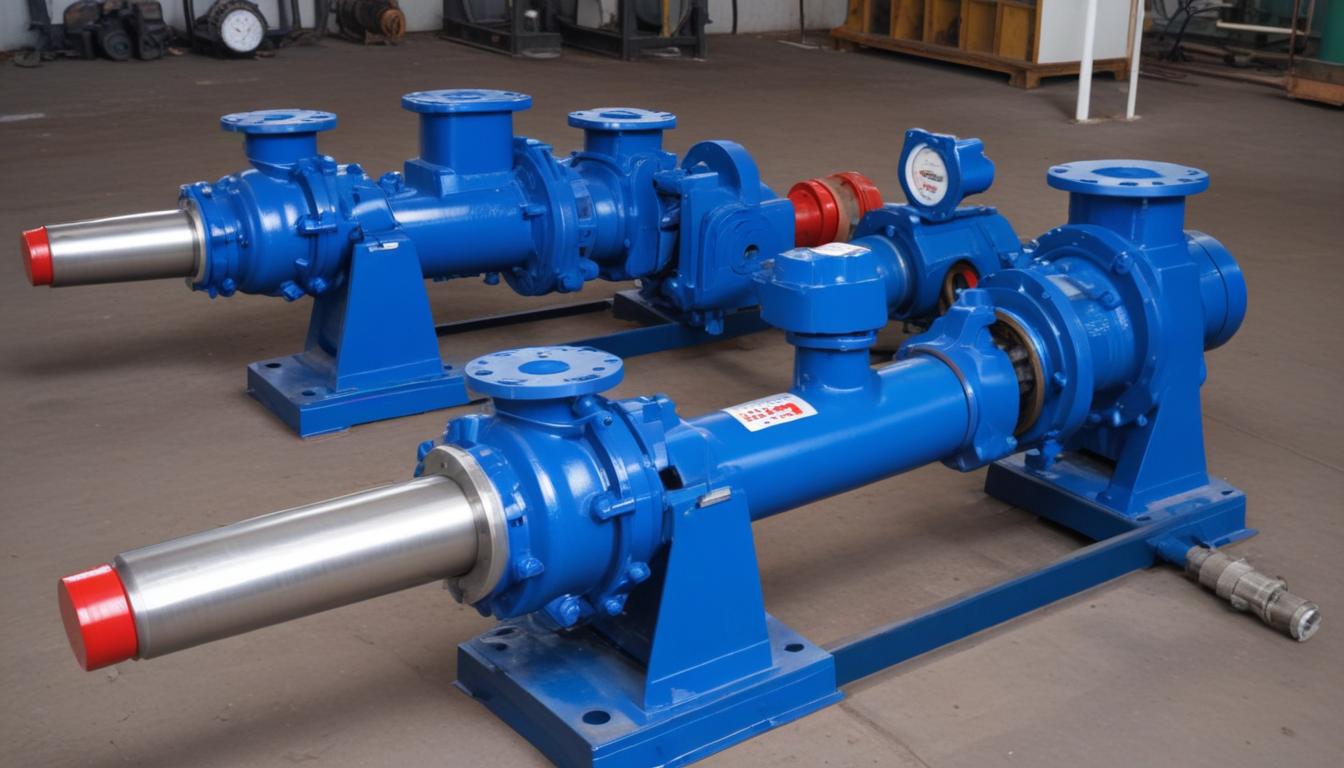
Safety measures in the operation of progressive cavity pumps
When dealing with progressive cavity pumps, it is essential to prioritize safety measures throughout the operation process. Proper operation reduces the risk of accidents and ensures the efficiency of the pump system. Engineers and operators must be aware of several critical elements to maintain a safe working environment.
First, it is crucial to conduct a thorough risk assessment before starting any operation. Identify potential hazards such as mechanical failures, leaks, or electrical issues that could arise during pump operation. Utilize checklists for daily inspections, which should include the following:
- Verification of electrical connections.
- Inspection of seals and connections to prevent leaks.
- Examination of pump alignment and mounting.
- Assessment of surrounding areas for potential tripping hazards.
Additionally, proper ventilation should be ensured, particularly in enclosed spaces, to prevent the buildup of harmful gases that can be released during pump operation. Awareness of the fluid characteristics is vital; understanding whether the pumped fluid is corrosive, toxic, or flammable can guide the implementation of specific safety measures.
Operators should also be equipped with appropriate personal protective equipment (PPE) at all times. This may include:
- Gloves resistant to the fluids being pumped.
- Safety goggles to protect against splashes.
- Hard hats in case of overhead hazards.
- Steel-toed boots for foot protection.
Regular training on safety protocols and proper pump handling must be conducted to ensure that all personnel are familiar with the operational guidelines. Performing drills can prepare the team for unexpected situations that may arise during pump operation, including spill control and emergency shutdown procedures.
Adhering to these safety considerations is paramount not only for the integrity of the progressive cavity pumps but also for the well-being of all individuals involved in their operation.
Common hazards in pump operation
Despite the robust design of progressive cavity pumps, several common hazards can arise during their operation that must be effectively managed to ensure the safety of all personnel involved. Understanding these hazards helps engineers and operators implement appropriate safety measures to mitigate risks. Some of the prevalent hazards include:
- Mechanical Failures: Wear and tear on internal components, such as rotors and stators, can lead to unexpected failures if not monitored regularly. Regular inspections can help identify signs of wear before they result in system malfunction.
- Fluid Leaks: Seals and gaskets can degrade over time, resulting in leaks that not only pose a risk to the environment but also create slip hazards for personnel. Implementing a routine maintenance schedule to check these components is essential.
- High Temperatures: Some pumps operate under high-temperature conditions, which can lead to thermal burns for operators if they come into contact with the equipment. Appropriate thermal insulation and signage should be utilized to warn of this hazard.
- Electrical Hazards: The operation of pumps often involves high voltage or complex electrical systems. Improper wiring or maintenance can result in electric shocks. Ensuring proper electrical safety protocols are followed—including lockout/tagout procedures—is crucial.
- Vibration and Noise: Excessive vibrations can indicate mechanical issues and may lead to further equipment damage. Noise pollution can also affect worker safety and health. Regular monitoring of pump performance and adherence to noise control measures can help address these issues.
Furthermore, operators should be aware of the potential for fluid-related hazards. Depending on the nature of the fluid being pumped, risks can include:
- Toxic exposure due to inhalation or skin contact.
- Fire hazards from flammable materials.
- Environmental contamination from spills.
The implementation of stringent safety protocols is vital to addressing these hazards. For instance, utilizing fluid containment systems and spill kits can significantly minimize environmental impact in the event of a leak. Regular safety audits, combined with proper documentation of operational incidents, can also aid in identifying recurring problems and refining safety measures.
By recognizing and addressing these common hazards in pump operation, organizations can foster a safer working environment and ensure the efficient and productive use of progressive cavity pumps.
Preventative maintenance practices
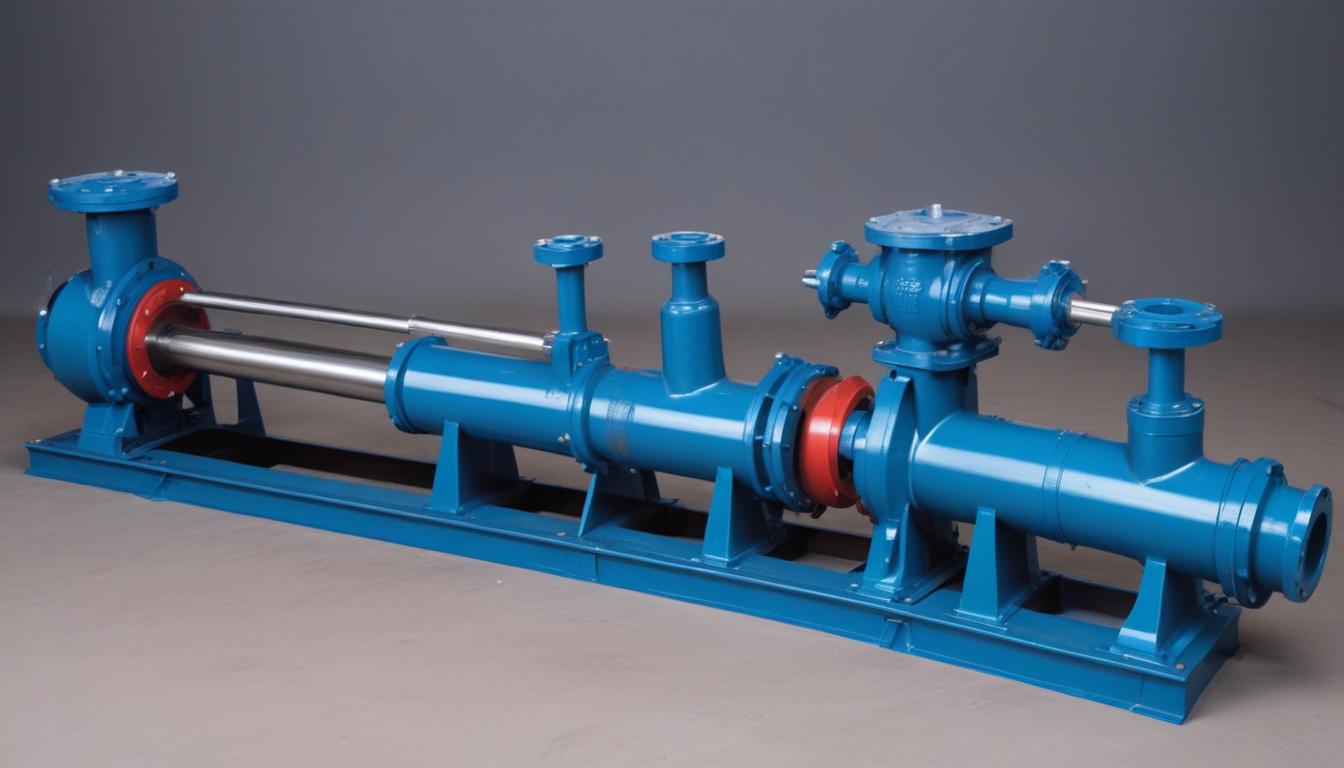
Implementing preventative maintenance practices for progressive cavity pumps is essential in promoting safe and efficient operation. A well-structured maintenance program not only extends the life of the pump but also significantly reduces the likelihood of unexpected failures and hazardous situations. To ensure optimal performance and reliability, maintenance should be performed on a scheduled basis, as well as after any irregular operation or performance issues are detected.
A comprehensive maintenance plan should encompass the following key elements:
- Routine Inspections: Establish a schedule for regular inspections, focusing on critical components such as the rotor, stator, drive assembly, and seals. Inspections should identify excessive wear, unusual noises, or vibrations that may indicate underlying problems.
- Lubrication: Proper lubrication of moving parts is vital to minimize friction and wear. Depending on the design of the pump, use the recommended lubricants and ensure they are applied at the correct intervals to maintain operational efficiency.
- Seal Replacement: Seals play a pivotal role in preventing leaks. Monitor seals for degradation or damage, and establish a replacement schedule to preempt leaks that could lead to environmental contamination or personnel hazards.
- Alignment Checks: Ensure that the pump is properly aligned with its drive mechanism to prevent undue stress on components and reduce vibration. Misalignment can lead to premature wear and risk of failure.
- Cleaning: Regularly clean the pump to prevent the buildup of deposits or materials that could obstruct flow or cause damage. Ensure the cleaning process aligns with safety standards, particularly when dealing with hazardous fluids.
Documentation is crucial; maintain detailed records of all maintenance activities, inspections, and repairs performed. This information can assist in identifying trends, facilitating predictive maintenance, and ensuring compliance with safety measures. Additionally, any changes to operational parameters or irregularities observed should be logged promptly.
Moreover, training personnel to carry out maintenance tasks effectively enhances the overall safety of the pump operation. Technicians should be knowledgeable about the specific components and requirements of the progressive cavity pumps they work on. Consider providing hands-on training sessions and refresher courses to keep staff up to date with best practices and safety protocols.
A collaborative effort between engineering teams and operational staff can facilitate an ongoing dialogue about maintenance needs and safety concerns. Engaging operators in discussions about performance issues can uncover insights that improve safety measures and operational efficiencies.
Operator training and certification
Proper training and certification of operators handling progressive cavity pumps are critical elements in ensuring safe operation in any industrial setting. A well-structured training program equips personnel with the necessary knowledge and skills to effectively manage pump operations while minimizing risks associated with their use. The following key components are essential in establishing a robust training framework:
- Fundamental Principles: Operators must be trained in the basic principles of how progressive cavity pumps work, including their components, operating mechanisms, and fluid dynamics. A clear understanding of these fundamentals aids in recognizing normal operational behaviors and identifying anomalies.
- Safety Protocols: Training should emphasize safety measures, including lockout/tagout (LOTO) procedures, use of personal protective equipment (PPE), and the importance of adhering to safety guidelines. Emphasizing a safety-first mentality can reduce the incidence of workplace accidents.
- Operational Procedures: Detailed instructions on the correct procedures for starting, stopping, and operating pumps are vital. Operators should practice these techniques under supervision to ensure they can perform them competently in real situations.
- Emergency Response Training: Operators should be well-versed in emergency response procedures tailored to pump operations. This includes knowledge of evacuation protocols, spill containment, and immediate response actions for various potential emergencies, such as leaks or failures.
- Hands-on Experience: Providing practical, hands-on training sessions allows operators to familiarize themselves with the specific equipment they will be handling. This includes troubleshooting common issues and conducting routine maintenance checks under the guidance of experienced professionals.
Certification programs can further enhance the competency of operators, ensuring they meet industry standards and regulatory requirements. Certification processes typically involve:
- Written Assessments: Operators must demonstrate their understanding of safety measures and operational procedures related to progressive cavity pumps through written exams.
- Practical Evaluations: Candidates should undertake practical evaluations to showcase their ability to operate the pumps safely and respond to emergencies.
- Continuous Education: To maintain certification, operators should engage in ongoing education, including refresher courses on safety protocols, technological advancements, and updated regulatory requirements.
Establishing a culture of safety through operator training and certification reinforces the commitment to best practices in pump operation. Regular training refreshers and assessments ensure that the personnel remains current with safety measures, operational improvements, and maintenance techniques. This proactive approach not only safeguards the integrity of the progressive cavity pumps but also contributes to a safer work environment for all employees involved in their operation.
Emergency response procedures
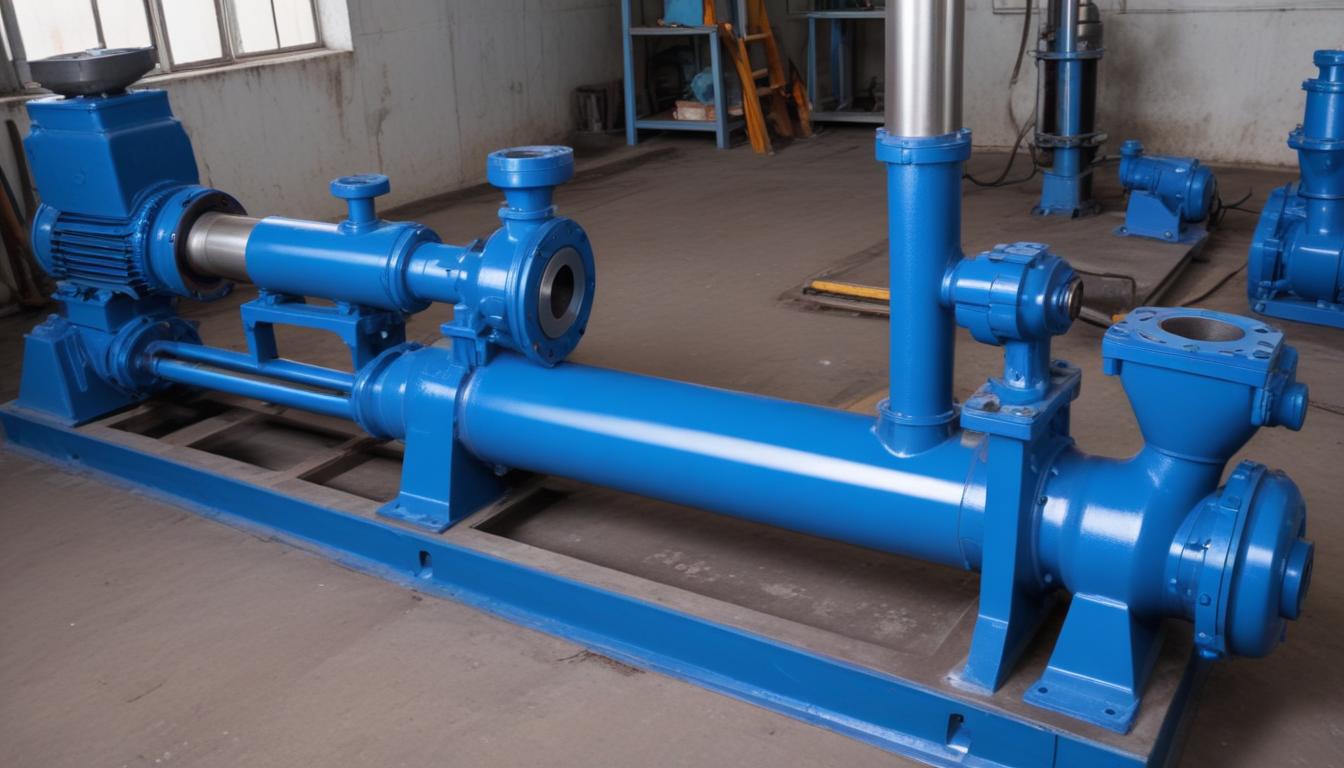
In any facility utilizing progressive cavity pumps, having well-defined emergency response procedures is essential for minimizing risks and ensuring the safety of all personnel. It is imperative to prepare for potential emergencies that can arise from mechanical failures, leaks, or other unexpected incidents during pump operation. A comprehensive emergency response plan should incorporate the following critical elements:
- Emergency Action Plan (EAP): Develop a detailed EAP that outlines steps to be taken in case of various emergencies, such as fluid spills, equipment malfunctions, or electrical hazards. This plan should specify roles and responsibilities for each team member during an emergency.
- Evacuation Procedures: Clearly communicate evacuation routes and assembly points to all personnel. Regular drills should be conducted to ensure that everyone is familiar with the routes and knows how to respond swiftly and effectively in an emergency situation.
- Spill Containment Procedures: Equip the facility with spill containment kits and ensure personnel are trained in their use. This training should cover the proper techniques for containing and cleaning up spills safely, as well as the appropriate disposal methods for hazardous materials.
- Shutdown Protocols: Establish and train personnel on the emergency shutdown procedures for all pumps. Knowing how to quickly and safely stop equipment can prevent further damage and mitigate risks during a malfunction or leak.
- First Aid Training: Ensure that at least a few trained personnel are available on-site for immediate response to injuries. First aid kits should be accessible and regularly stocked. Training in first aid can significantly reduce the severity of injuries in emergencies.
- Communication Systems: Implement reliable communication systems to alert all staff during an emergency. This may include alarms, public address systems, or two-way radios to ensure everyone receives timely information and instructions.
- Regular Review and Drills: Conduct regular reviews of the emergency response procedures to identify any gaps and make necessary updates. Schedule drills that simulate various emergency scenarios, ensuring that all personnel are confident in their roles and the procedures.
Furthermore, collaboration with local emergency services can enhance preparedness. Inviting them to assess your facility and review emergency plans can provide valuable feedback and ensure that external responders are familiar with the site layout and potential hazards related to progressive cavity pumps.
By establishing comprehensive emergency response procedures, organizations not only safeguard their personnel but also ensure a swift and effective response to any incidents that may compromise safety during pump operation. Such preparedness reinforces the commitment to implementing robust safety measures in all aspects of pump management.