Pump performance analysis: progressive cavity pumps
In the realm of fluid transfer technology, progressive cavity pumps stand out due to their unique design and operational principles. These pumps consist of a helical rotor rotating within a stationary helical stator. The interaction between these components creates a series of expanding and contracting cavities, facilitating the conveyance of fluids with consistency and efficiency. This design enables them to handle a variety of substances, including viscous materials, slurries, and even shear-sensitive fluids, widening their usage across multiple industries.
Understanding the operation of progressive cavity pumps is essential for maximizing performance. The pumps operate on the principle of positive displacement, which means they move a fixed volume of fluid with each rotor revolution, leading to a predictable flow rate. This functionality is particularly important in applications requiring specific flow rates and pressures, such as metering and dosing. The precise geometry of the rotor and stator dictates the pump’s operational performance, influencing factors like pressure, flow rate, and the ability to maintain a steady output.
Key components of progressive cavity pump design include:
- Rotor: The rotor is typically manufactured from high-strength materials to withstand abrasion and wear.
- Stator: The stator is usually elastomer-coated, providing flexibility and enhancing the sealing properties that contribute to efficient flow.
- Drive Mechanism: Progressive cavity pumps can be driven mechanically or hydraulically, allowing versatility in installation based on the application requirements.
Regarding performance analysis, it is critical to consider the impacts of operating conditions, as they can significantly influence pump performance. For instance, variations in viscosity, temperature, and the nature of the fluid being pumped can alter flow rates and efficiency. Engineers must carefully evaluate these factors during the design phase to optimize pump selection for specific applications.
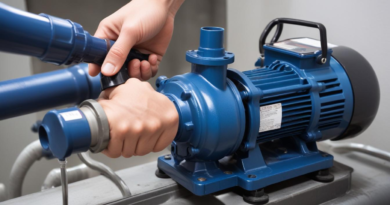
To ensure reliability and longevity, attention should also be given to the installation and alignment of progressive cavity pumps. Improper installation can lead to premature wear and failure, compromising pump performance. Understanding these operational characteristics is vital for anyone involved in the selection, installation, and maintenance of progressive cavity pumps.
Performance Characteristics
Performance characteristics of progressive cavity pumps are critical indicators of their operational capabilities and efficiency in fluid transfer applications. These pumps are renowned for their ability to maintain a consistent flow rate, regardless of variations in fluid viscosity or pressure conditions. This inherent stability is one of the primary reasons progressive cavity pumps are preferred in industries dealing with challenging fluids.
Among the key performance metrics to consider are:
- Flow Rate: This is defined as the volume of fluid moved per unit of time, commonly expressed in gallons per minute (GPM) or liters per minute (LPM). Progressive cavity pumps can achieve a wide range of flow rates, making them suitable for various applications, from low-flow processes to high-capacity operations.
- Pressure Output: The pressure at which a pump can operate is crucial for determining its suitability for specific applications. Progressive cavity pumps can handle high pressures, making them ideal for transferring fluids in industrial settings where pressure differentials are significant.
- Viscosity Handling: These pumps excel in handling highly viscous fluids, owing to their positive displacement design. The performance analysis should account for the maximum viscosity levels the pump can efficiently manage without compromising output performance.
Another noteworthy performance characteristic is the self-priming ability of progressive cavity pumps. They can operate in situations where the pump is not always submerged in the fluid, which provides versatility in installation and operation. However, the efficiency of this characteristic also depends on the specific design and configuration of the pump.
In terms of performance analysis, it’s vital to monitor stroke length and rotor speed, as these parameters directly influence the pump’s output and efficiency. Increasing the rotor speed typically enhances flow rate but can also elevate wear rates on the rotor and stator, thereby affecting long-term performance. Therefore, it is crucial for engineers to strike a balance between optimal performance and durability.
To summarize, a thorough performance analysis involves evaluating these metrics against the intended application requirements. A detailed understanding of the operational characteristics of progressive cavity pumps allows engineers to make informed decisions during the selection process, optimizing system performance and enhancing reliability. Mathematical models and performance curves can also aid in forecasting pump behavior under various operational conditions, ensuring efficient and effective pump usage.
Efficiency Metrics

When assessing the efficiency metrics of progressive cavity pumps, multiple factors come into play. Efficiency in fluid transfer is not solely determined by the flow rate or pressure output; it encompasses the overall energy consumption and the pump’s capability to convert input energy into hydraulic energy without excessive losses. The primary measure of efficiency in pumps is the overall efficiency, which can be defined as the ratio of hydraulic power output to the input power supplied to the pump.
Several key factors influence the efficiency of progressive cavity pumps:
- Mechanical Efficiency: This component reflects how well the pump mechanics convert input energy into hydraulic energy. High-quality bearings and seals can minimize friction losses, thus enhancing mechanical efficiency.
- Volumetric Efficiency: This metric measures the actual flow rate produced by the pump against the theoretical flow rate that the pump should deliver. Factors affecting volumetric efficiency include leakage in the pump’s chambers and the design of the stator and rotor which influences the fluid sealing.
- Hydraulic Efficiency: This efficiency indicates the effectiveness of converting mechanical power into hydraulic power, typically represented through the output pressure generated by the pump at specific flow rates. Hydraulic efficiency can be affected by fluid characteristics such as viscosity and density, necessitating careful selection based on the application.
A standardized method to assess these efficiency metrics involves conducting performance tests under controlled conditions, which help establish performance curves. These curves plot parameters such as flow rate against efficiency and can provide detailed insights into the operating window where the pump performs optimally.
Moreover, the energy consumption of progressive cavity pumps is an essential consideration, especially in industrial applications where operation costs can accumulate significantly. Utilizing variable frequency drives (VFDs) can enhance energy efficiency by allowing for precise speed adjustments according to the system demand, preventing unnecessary power consumption when the full capacity of the pump is not required. Implementing such drives also aids in maintaining consistent flow rates across varying fluid conditions.
It’s crucial for engineers to conduct regular performance analyses to track efficiency metrics over time. Monitoring components such as wear on the rotor and stator, seal degradation, and alignment issues can lead to early identification of potential problems that may affect pump efficiency. In turn, this proactive approach to maintenance not only enhances operational performance but also extends the lifespan of the pump.
Lastly, understanding the relationship between the pump’s operational settings and its overall efficiency is pivotal in optimizing performance. By analyzing operational data, engineers can make informed adjustments to parameters like rotor speed and discharge pressure, ensuring that the pump operates within its most efficient range for specific applications.
Maintenance and Troubleshooting
For the successful operation of progressive cavity pumps, regular maintenance and prompt troubleshooting are vital to prolonging pump life and ensuring optimal performance. These pumps are frequently utilized in demanding applications, making maintenance a critical component of their operational integrity. Proper maintenance not only helps in identifying potential issues early on but also facilitates efficient performance analysis to optimize pump efficiency.
Routine Maintenance entails several key tasks that should be performed at regular intervals to keep the pumps running smoothly:
- Inspection of Seals and Bearings: Regularly check the integrity of seals and bearings, as wear can lead to leaks and inefficiencies. Replacing worn components promptly is crucial to maintaining the hydraulic efficiency of the pump.
- Cavities Cleaning: Solid particles and debris can accumulate in the rotor-stator cavities, affecting performance. Thus, periodic cleaning is essential to ensure unobstructed fluid flow.
- Lubrication: Ensuring all moving parts are adequately lubricated helps reduce friction and wear. Appropriate lubricants contribute to enhanced mechanical efficiency.
- Alignment Checks: Misalignment can cause excessive wear on components. Regular realignment of the drive and pump assembly is necessary to reduce strain and maintain efficient operation.
Troubleshooting common issues involves not only identifying symptoms but also understanding the underlying causes. Here are some frequent problems encountered with progressive cavity pumps and their potential solutions:
- Reduced Flow Rate: This could indicate wear on the rotor or stator or a blockage in the system. Conducting a performance analysis can help pinpoint the issue. Cleaning the cavities and checking for wear can often restore flow.
- High Vibration Levels: Excessive vibration can signal mechanical issues such as misalignment or imbalance in the pump assembly. Inspecting components for proper alignment and securing loose parts should be the first steps in troubleshooting.
- Increased Noise Levels: Noise often indicates problems such as cavitation or inadequate lubrication. Reviewing operating conditions and ensuring proper lubrication can mitigate this issue.
- Leakage: Leaks can arise from worn seals or connections. Replacing damaged seals and tightening connections will usually address this problem.
Furthermore, implementing a predictive maintenance strategy can significantly improve troubleshooting efforts. Utilizing vibration analysis, thermal imaging, and monitoring operational parameters helps identify wear trends before they lead to catastrophic failures. Regular performance analysis based on these data helps in making informed decisions for replacements or adjustments, ensuring that pumps operate at their optimal capacity.
Understanding maintenance needs and troubleshooting techniques is essential for the effective operation of progressive cavity pumps. By focusing on routine inspections, identifying common issues, and employing a proactive maintenance approach, engineers and operators can ensure consistent, efficient performance in their fluid transfer applications.
Applications and Case Studies
In various industrial sectors, progressive cavity pumps have established themselves as vital components for numerous applications, showcasing their versatility and reliability in challenging environments. Their unique design allows them to seamlessly handle a wide array of fluids, including those that are viscous, abrasive, or contain solids. Here, we explore specific case studies that highlight the effectiveness of these pumps in different scenarios.
One prominent application is in the food and beverage industry, where progressive cavity pumps are employed for transferring viscous substances such as fruit pulps, chocolate, and sauces. The ability of these pumps to operate gently without shear stress makes them ideal for maintaining the integrity of sensitive products. In a case study involving a chocolate manufacturer, the use of a progressive cavity pump improved flow stability and reduced the risk of product degradation, leading to enhanced product quality and higher throughput.
Another significant application is found in the wastewater treatment sector, where these pumps facilitate the transport of thick sludge and other challenging materials. A municipal wastewater treatment facility reported a marked increase in operational efficiency after replacing their centrifugal pumps with progressive cavity pumps. The positive displacement action allowed for consistent and reliable flow rates, even as the viscosity of the sludge varied due to changing wastewater compositions. This enhancement in performance analysis ultimately led to reduced energy consumption and lower maintenance costs.
Furthermore, in the oil and gas industry, progressive cavity pumps are frequently utilized for transferring crude oil and other viscous fluids in remote or offshore locations. A case study from an offshore drilling operation showcased how these pumps effectively managed the varying pressures and flow rates encountered in the field. By implementing progressive cavity pumps, the operation was able to achieve higher operational reliability, minimizing downtime and ensuring consistent production flow.
The chemical process industry also benefits substantially from the inherent advantages of progressive cavity pumps. A manufacturer of specialty chemicals reported that the use of these pumps allowed for precise metering and dosing of viscous chemical mixtures. The ability to maintain a uniform flow rate regardless of changes in fluid viscosity played a crucial role in ensuring product consistency and meeting regulatory compliance.
In terms of performance analysis, data from various installations indicate a trend toward improved energy efficiency and reduced operational costs with the adoption of progressive cavity pumps. By conducting thorough evaluations of pump performance across different applications, engineers can identify optimal configurations and settings tailored to specific operational demands.
The diverse applications of progressive cavity pumps across multiple industries highlight their adaptability and efficiency in handling complex fluid transfer challenges. The case studies presented demonstrate their capability to enhance operational performance, increase reliability, and reduce maintenance efforts, while ongoing performance analysis reinforces the importance of continuous improvement in pump operations.