
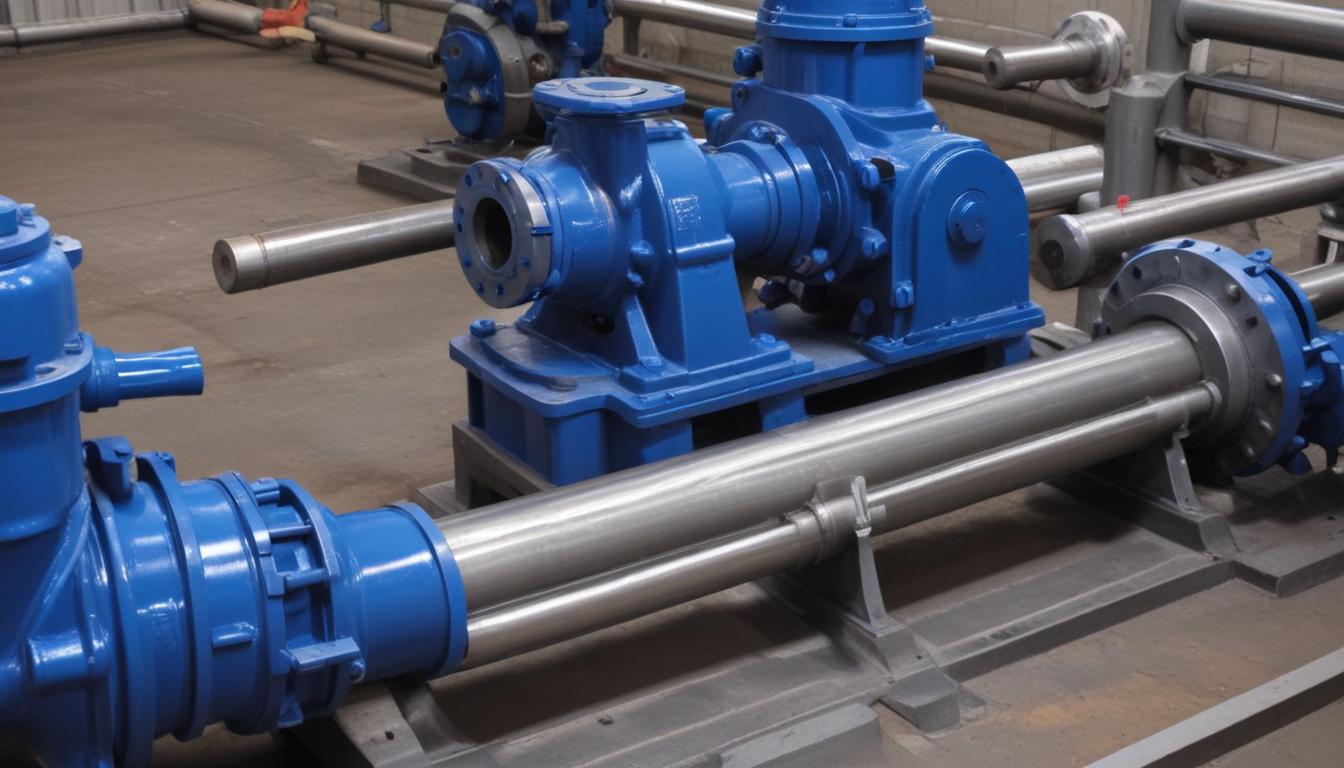
Preventing wear and tear in progressive cavity pumps
Progressive cavity pumps are positive displacement pumps characterized by their unique design, which consists of a helical rotor and a stator that form a series of cavities. This design allows for the transport of fluids, including those with high viscosities and solid content, effectively and efficiently. As the rotor turns within the stator, it creates a continuous flow of fluid through the pump, minimizing turbulence and reducing the potential for wear and tear on components. This efficient operation is particularly important in applications such as wastewater treatment, food processing, and chemical handling, where maintaining the integrity of the pump is crucial for reliability and performance.
One of the primary advantages of progressive cavity pumps is their capability to handle varying flow rates and pressures without disrupting the flow consistency. However, wear and tear can occur over time due to factors such as abrasive materials, improper installation, or inadequate lubrication. Understanding the mechanics behind these pumps and their operational limits is crucial for engineers and users, as it enables them to implement effective prevention strategies to prolong equipment life. Regular monitoring of the pump’s performance and scheduling maintenance inspections can help identify early signs of wear, allowing for timely interventions.
A thorough understanding of progressive cavity pumps, including their functionality and susceptibility to wear and tear, is essential for selecting the right operational conditions and maintenance practices. Ensuring the proper setup and ongoing care will not only enhance the performance of the system but also significantly reduce the likelihood of costly repairs and downtime.
Common causes of wear and tear
Wear and tear in progressive cavity pumps can be attributed to several factors that adversely affect their efficiency and longevity. Identifying these common causes enables engineers and pump operators to take proactive measures in maintenance and operation. Among the primary contributors to wear and tear are:
- Abrasive materials: The presence of solid particles or abrasive substances in the pumped fluid can lead to erosion of the rotor and stator. For example, when handling slurries or fluids with high solid content, the constant interaction between these materials and pump components accelerates the wear process.
- Improper installation: Misalignment of the pump components during installation can result in uneven load distribution and increased friction. This misalignment often leads to excessive wear and potential damage to both the rotor and stator.
- Inadequate lubrication: Progressive cavity pumps rely on sufficient lubrication to minimize friction between moving parts. Inadequate or incorrect lubrication can lead to heat buildup, which further exacerbates wear and increases the risk of component failure.
- Operating outside design specifications: Pumps that operate consistently at flow rates or pressures beyond their designed limits are prone to faster wear. Over-pumping or running the pump at low flow rates can cause cavitation, leading to significant damage over time.
- Thermal degradation: Continuous exposure to extreme temperature conditions can degrade seal materials and other components, leading to leaks and reduced efficiency. Operators must monitor temperature conditions to avoid thermal stress on the pump.
Recognizing these factors is crucial for establishing an effective prevention strategy that prioritizes regular maintenance and appropriate operating conditions. By addressing these common causes of wear and tear in progressive cavity pumps, users can enhance reliability, reduce downtime, and extend the overall lifespan of the equipment.
Maintenance strategies for longevity
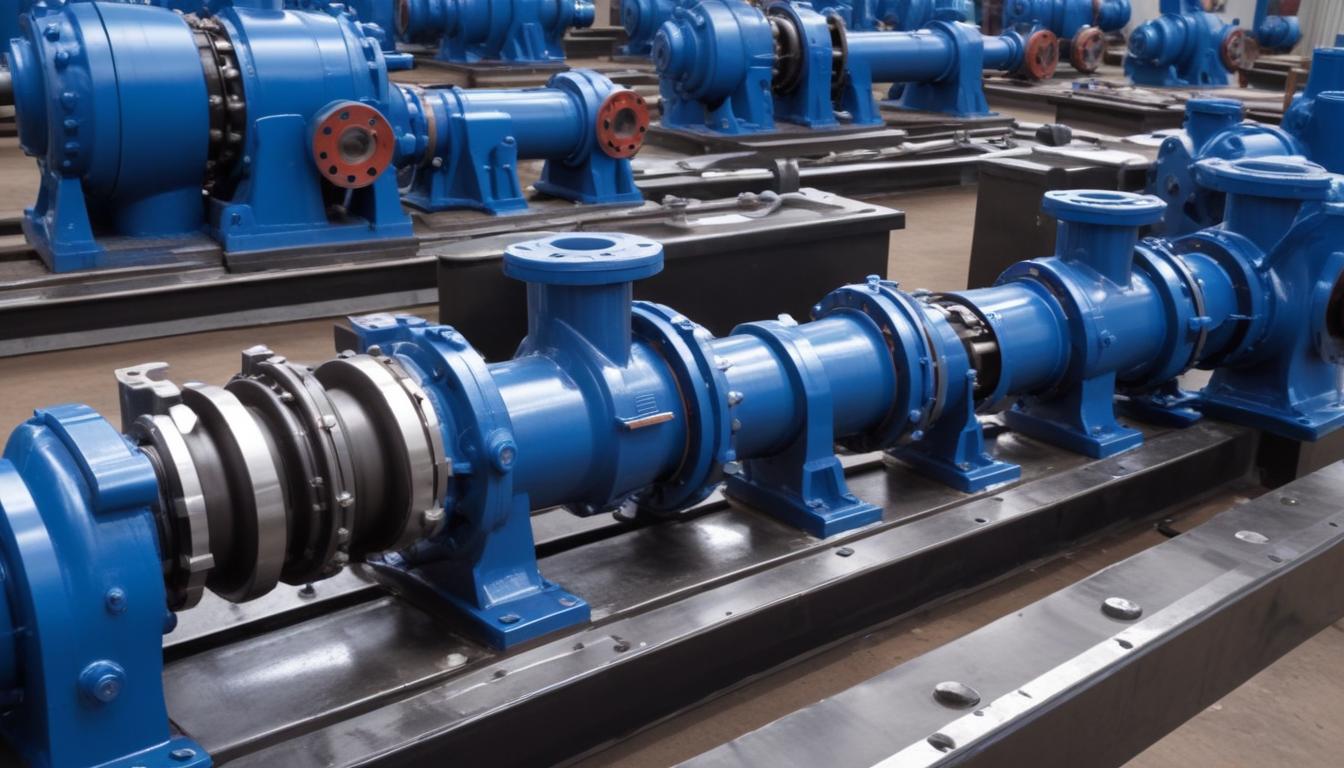
Implementing effective maintenance strategies is essential for ensuring the longevity of progressive cavity pumps and minimizing wear and tear. A proactive maintenance schedule not only prolongs the life of the pump but also enhances its operational efficiency. Consider the following strategies:
- Regular inspections: Scheduled inspections should be conducted to assess the condition of the rotor, stator, and other critical components. Look for signs of wear such as scoring, pitting, or unusual noise during operation. Establishing a checklist can help streamline this process.
- Lubrication management: Ensure that lubrication is applied correctly and consistently according to manufacturer guidelines. Use high-quality lubricants suitable for the specific application to reduce friction and prevent overheating. Periodically check lubrication levels and replace fluids as necessary to prevent degradation.
- Monitoring operating conditions: Continuous monitoring of performance parameters such as flow rate, pressure, and temperature can help detect abnormal operating conditions. Implementing sensors and alarms that notify users of deviations can prevent inadvertent operation outside the pump’s design specifications.
- Scheduled component replacement: Develop a routine schedule for replacing parts that are prone to wear, including stators and rotor components. This can prevent unexpected failures that lead to costly downtime and repairs. Consult manufacturer recommendations for replacement intervals based on the specific application and service environment.
- Training personnel: Providing training for operators and maintenance personnel is key to minimizing wear and tear. Staff should be educated on proper operating procedures, troubleshooting techniques, and the importance of adhering to maintenance schedules. Well-trained personnel can identify issues before they escalate and contribute to better pump performance.
Utilizing these maintenance strategies can significantly reduce the risk of wear and tear in progressive cavity pumps, ensuring that they operate at peak efficiency throughout their service life. As maintenance becomes a priority, the reliability of the pump system improves, leading to increased uptime and operational effectiveness.
Choosing the right materials
Choosing the right materials for progressive cavity pumps is fundamental to minimizing wear and tear and ensuring the longevity and efficiency of the pump system. Several material considerations can impact the performance, durability, and overall effectiveness of these pumps, especially in demanding applications. When selecting materials, engineers must take into account factors such as the properties of the fluids being pumped, the operating environment, and the expected wear conditions. Key material options include:
- Rotor Materials: Typically made from hardened alloys or stainless steel, rotors should be selected based on their ability to resist abrasion and corrosion. For extremely abrasive media, options such as ceramic or specialized coatings may be considered to provide enhanced wear resistance.
- Stator Materials: The stator material must complement the rotor while resisting wear and deformation. Common choices include rubber or elastomers, which offer flexibility and excellent sealing capabilities. However, for harsher conditions, more robust materials like polyurethane or specially formulated composites may be preferred.
- Seal Materials: Seals play a critical role in preventing leaks and maintaining the efficiency of the system. Selecting seal materials resistant to the specific chemical composition and temperature of the pumped fluids is essential. Teflon, Viton, and nitrile rubber are examples of materials that can withstand a range of operating conditions.
- Frame and Housing Materials: The outer casing of progressive cavity pumps should be constructed from materials that provide durability against external wear and environmental impacts. Stainless steel or cast iron options are commonly used for their strength and resistance to corrosion.
To enhance the lifespan of progressive cavity pumps, material compatibility with the pumped fluid is crucial. Conducting a material compatibility analysis can help identify the best choices for specific applications, emphasizing prevention strategies against wear and tear. Knowing the operational conditions, such as temperature, pressure, and fluid composition, allows for informed decisions that reduce the risk of premature failure.
Additionally, the implementation of coatings or linings can provide an extra layer of protection against abrasion and corrosion. Techniques such as plasma spraying or applying hardfacing materials can significantly improve the wear resistance of both rotors and stators, leading to extended service intervals and minimized downtime.
Ultimately, selecting the right materials is a critical part of the design and maintenance of progressive cavity pumps that can lead to improved performance, reduced wear and tear, and more effective prevention strategies. By carefully considering material properties and their interactions with operational environments, engineers can optimize the function and reliability of these essential pumping systems.
Monitoring and troubleshooting techniques
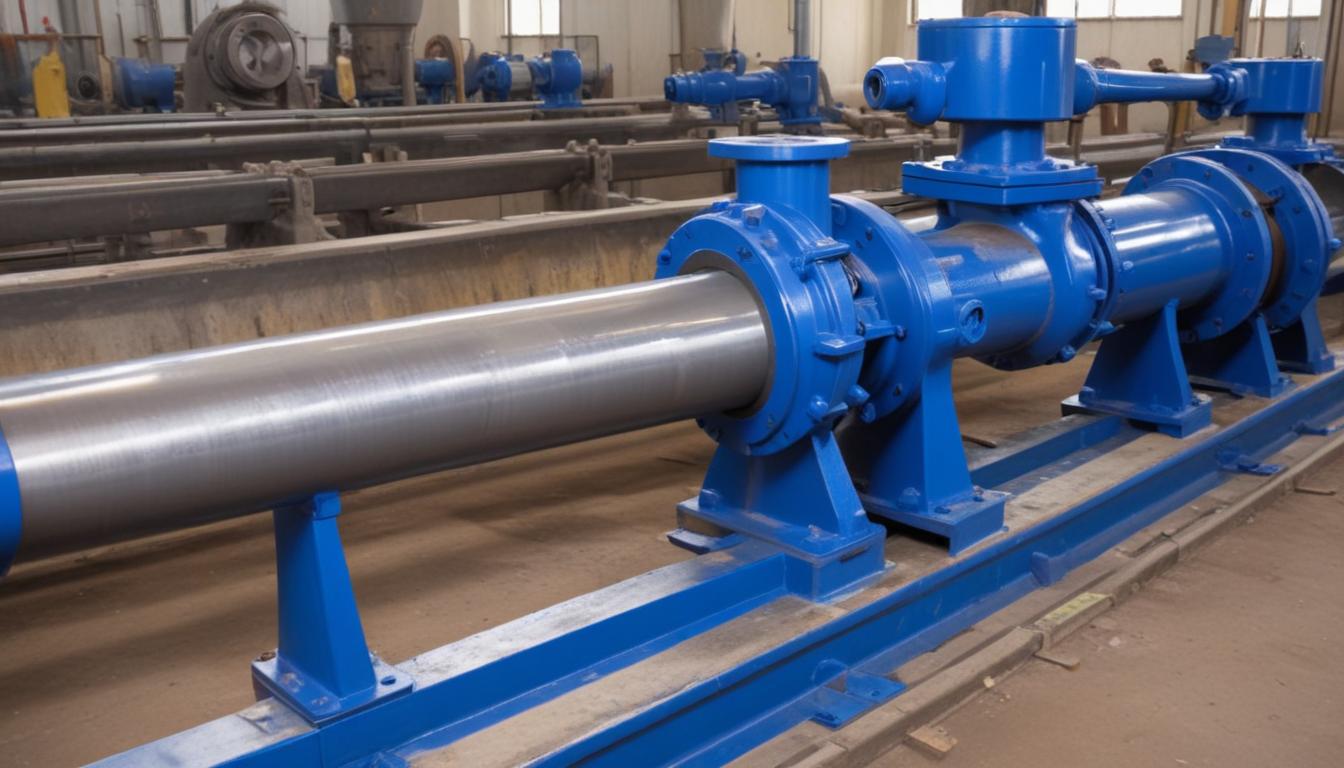
Effective monitoring and troubleshooting techniques are essential for maintaining the performance of progressive cavity pumps and preventing wear and tear. By implementing systematic approaches to observe and analyze pump behavior, engineers can identify issues early and mitigate potential damages. The following methods provide a framework for monitoring and troubleshooting progressive cavity pump systems:
- Performance Metrics Monitoring: Regularly measure key performance indicators such as flow rate, pressure, and power consumption. Deviation from expected values can indicate underlying problems. For instance, a decreasing flow rate may suggest blockage or wear in the rotor or stator, requiring further investigation.
- Vibration Analysis: Employ vibration sensors to monitor the pump’s mechanical integrity. Excessive or abnormal vibrations can signify misalignment or wear in the bearings or internal components. Analyzing vibration patterns can help identify specific issues that need addressing before they escalate into major failures.
- Temperature Monitoring: Utilize temperature sensors in strategic locations to track the heat levels of both the pump components and the fluids being transported. Elevated temperatures can indicate inadequate lubrication or excessive friction, both of which can accelerate wear and tear. Prompt action based on temperature alerts can help prevent further damage.
- Visual Inspections: Conduct routine visual inspections of the pump assembly and its surroundings. Look for signs of leaks, corrosion, and unusual wear patterns on the rotor and stator. Regular visual checks can provide immediate feedback on the condition of the pump, enabling timely maintenance interventions.
- Fluid Analysis: Analyze the pumped fluid for contaminants or changes in viscosity. The presence of solids can result in accelerated wear on pump components. Implementing filtration systems or pre-pump treatments can significantly reduce wear-related issues.
- Diagnostic Testing: Perform diagnostic tests when abnormal conditions are detected. Testing can include pressure tests, flow tests, or leak detection procedures to isolate the issue. Utilizing specialized equipment can enhance accuracy in identifying the source of problems within the pump system.
By integrating these monitoring and troubleshooting techniques into the regular maintenance schedule, pump users can proactively manage wear and tear in progressive cavity pumps. Not only do these strategies extend the lifespan of the equipment, but they also enhance operational efficiency and minimize costly downtimes. Fostering a culture of vigilance regarding pump performance sets the foundation for more effective wear prevention and maintenance practices overall.