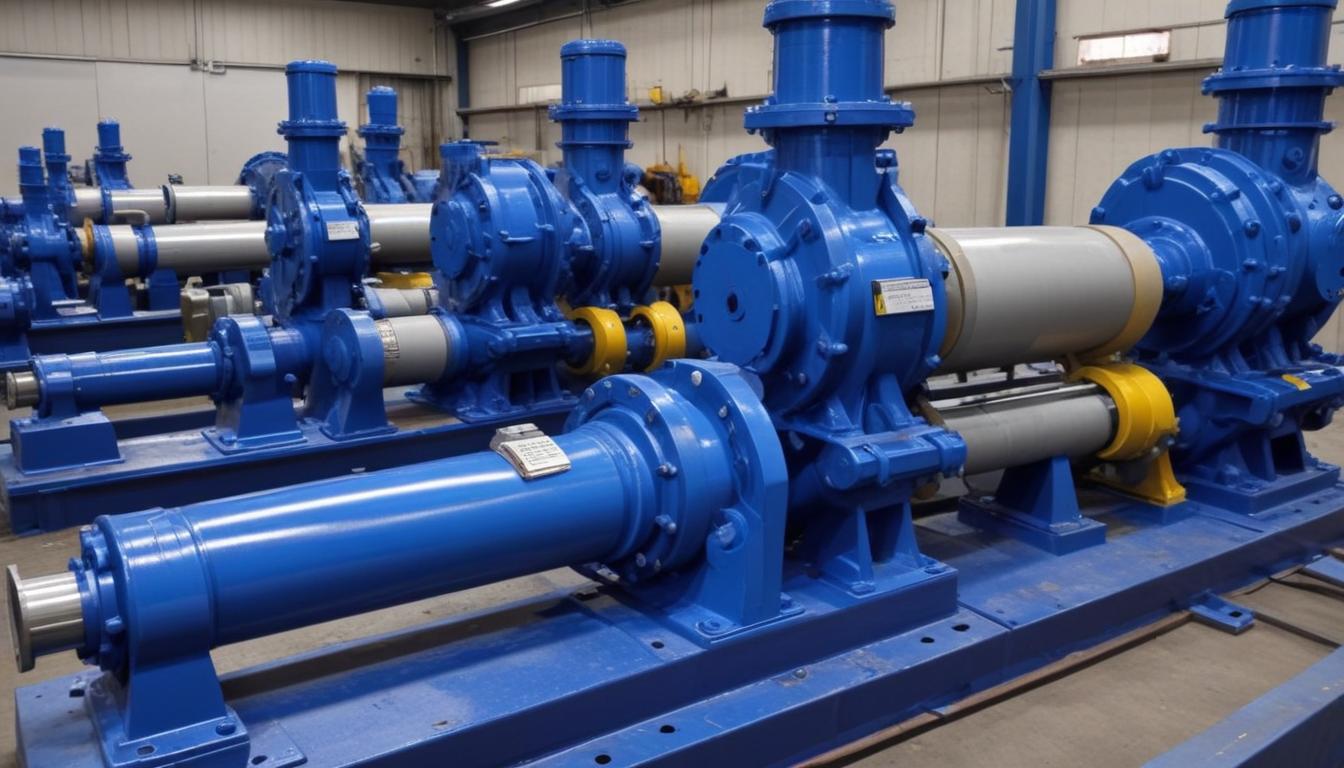
Predictive analysis for minimizing downtime in progressive cavity pumps
Predictive maintenance techniques are essential for optimizing the operational efficiency of progressive cavity pumps, which are widely used in various industries due to their ability to handle a diverse range of fluids. These techniques leverage advanced analytics and historical data to forecast potential failures, thereby minimizing unexpected downtime and enhancing overall system reliability.
Key predictive maintenance strategies include:
- Vibration Analysis: Regular monitoring of vibration patterns helps identify imbalances, misalignments, or wear in the pump components.
- Oil Analysis: Assessing the condition of lubricants can indicate the wear and tear of internal components.
- Thermography: Utilizing infrared imaging can reveal heat anomalies that may signify inefficiencies or impending failures.
- Ultrasonic Testing: Detecting high-frequency sound waves can help locate leaks or faulty seals within the pump.
Implementing these predictive analysis techniques allows engineers to transition from reactive to proactive maintenance, ensuring that progressive cavity pumps operate at peak performance. By utilizing data-driven decision-making, organizations can significantly reduce maintenance costs and extend the lifespan of their pumping systems.
Moreover, integrating IoT technologies enhances data collection capabilities, allowing for more granular monitoring and real-time alerts regarding equipment health. This transformation not only improves maintenance scheduling but also empowers engineers to make informed decisions based on empirical evidence rather than guesswork.
The adoption of predictive maintenance techniques in the management of progressive cavity pumps demonstrates a strategic approach to anticipating issues before they escalate, thus safeguarding against costly downtimes and optimizing operational workflows.
Understanding Progressive Cavity Pumps
Progressive cavity pumps are positive displacement pumps commonly used for transferring a variety of fluids, including viscous materials, slurries, and even shear-sensitive fluids. They consist of a helical rotor that rotates within a fixed stator, creating cavities that allow for the continuous flow of the fluid being pumped. The design inherently provides a smooth and consistent flow rate, making them suitable for applications in sectors such as wastewater treatment, food and beverage, and petrochemical processing.
One of the salient features of progressive cavity pumps is their ability to handle a broad range of viscosities, from thin liquids to thick pastes. This versatility makes them ideal for industries where fluid characteristics may frequently change. The mechanism operates with low pulsation, contributing to less wear on the pump components and providing a gentler transfer of fluids, which is critical in processes where the integrity of the material must be preserved.
Essential components of a progressive cavity pump include:
- Rotor: The helical structure that rotates, creating the pumping action by moving fluid through the stator.
- Stator: A fixed casing that contains the rotor and is designed to minimize backflow, ensuring efficient fluid transport.
- Drive System: Typically powered by an electric motor, this system imparts the necessary torque to the rotor for operation.
- Seals: Essential for maintaining pressure and preventing leaks, seals must be regularly inspected for wear and performance.
In terms of operational efficiency, the monitoring of these essential components is critical to mitigating downtime. Regular assessments and timely maintenance interventions are crucial for sustaining performance and adopting a strategy that incorporates predictive analysis. This approach shifts the maintenance paradigm from reactive to proactive, allowing operators to foresee potential failures and address issues before they impact production.
Ultimately, understanding the mechanics and functionality of progressive cavity pumps not only aids engineers in optimizing their operation but also equips them to implement advanced maintenance strategies. By leveraging data and insights gained from operational diagnostics, facilities can ensure that their pumping systems remain reliable, efficient, and ready to meet production demands without unexpected interruptions.
Data Collection and Analysis Methods
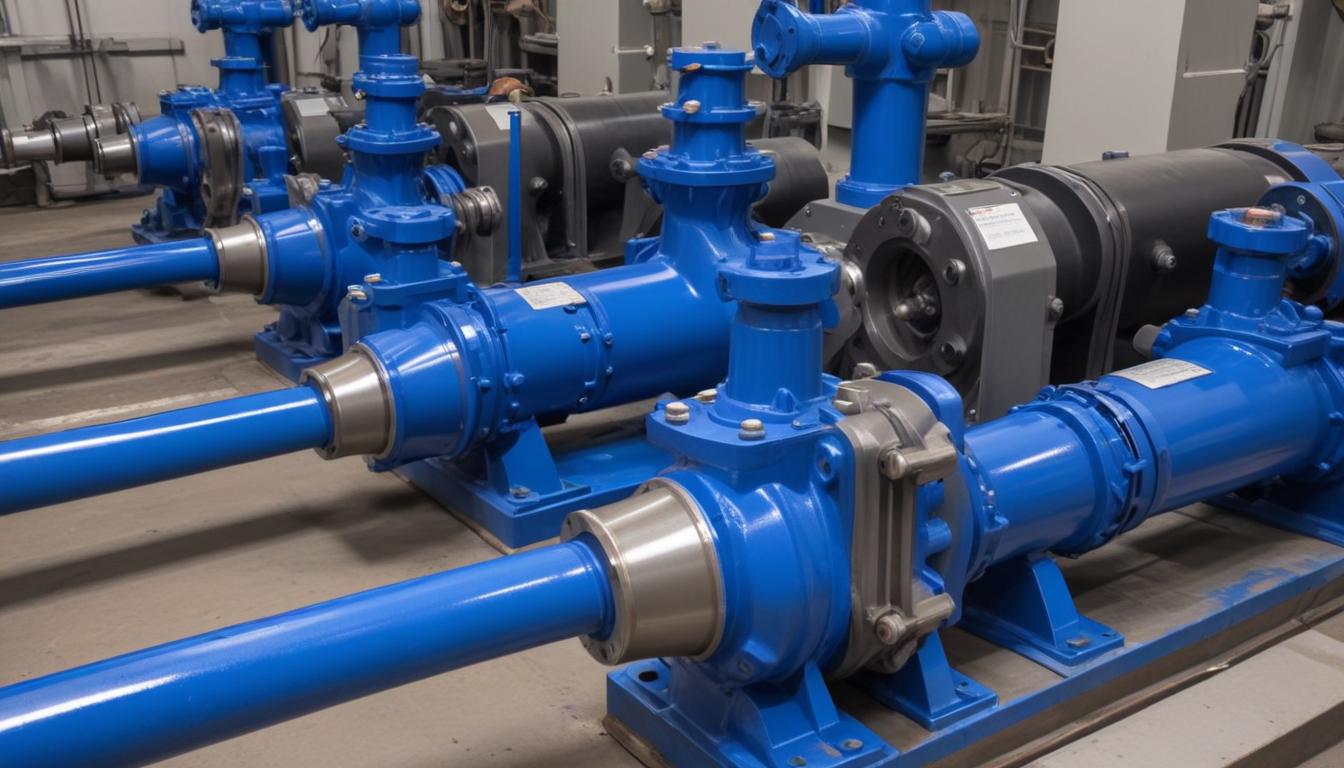
The effective collection and analysis of data are paramount in the predictive maintenance of progressive cavity pumps. Data-driven insights can optimize maintenance schedules, enhance operational efficiency, and significantly reduce downtime. A strategic approach to data collection involves the integration of various monitoring technologies and analytical tools that facilitate real-time observation and long-term trend analysis.
Critical components of a robust data collection strategy include:
- Telemetry Systems: These systems capture and transmit operational data from pumps to a central database, enabling continuous monitoring of key performance indicators such as pressure, flow rate, and temperature.
- SCADA (Supervisory Control and Data Acquisition): SCADA systems allow for single-point access to real-time data, facilitating immediate decision-making and prompt action when anomalies are detected.
- Condition Monitoring Sensors: Installation of vibration, temperature, and acoustic sensors on pumps enables the gathering of crucial data points that can identify wear patterns and potential failures before they escalate.
Once data is collected, advanced analytics come into play. The analysis can be conducted through:
- Descriptive Analytics: This provides insights into historical performance, helping operators understand past issues related to progressive cavity pumps and informing future maintenance practices.
- Predictive Analytics: Utilizing algorithms and machine learning models, this method forecasts future failures based on historical trends and current operating conditions. By predicting when maintenance should occur, organizations can implement interventions at the optimal time, thus minimizing unexpected downtime.
- Prescriptive Analytics: This advanced stage goes beyond predictions by suggesting specific actions and adjustments to improve pump reliability and efficiency.
Data visualization tools can also play a crucial role in this process, allowing engineers to easily interpret complex datasets and identify patterns that may not be readily apparent. Graphs, dashboards, and alerts provide actionable insights at a glance, empowering maintenance teams to respond quickly to potential issues.
Moreover, by integrating data from across the entire operational ecosystem, organizations can benefit from a holistic view of their pumping systems. This interconnected perspective not only enhances individual pump performance but also contributes to overall process optimization and resource management.
Ultimately, establishing a systematic approach to data collection and analysis is essential for maintaining the reliability of progressive cavity pumps. By continually monitoring conditions and applying predictive analysis, organizations can effectively manage their maintenance strategies, ensuring that downtime is minimized while operational efficiency is maximized.
Case Studies and Results
Case studies focusing on the application of predictive analysis in the maintenance of progressive cavity pumps have revealed significant insights and outcomes that underline the effectiveness of these strategies in minimizing downtime. Several organizations across different industries have successfully implemented predictive maintenance techniques, leading to enhancements in operational efficiency and reliability of their pumping systems.
One notable case involved a wastewater treatment facility that further aligned its maintenance strategy with predictive analysis principles. By integrating vibration analysis and thermography monitoring, the facility managed to identify and address irregularities in pump operation before they resulted in failures. The data collected indicated a recurring vibration pattern in one of their primary progressive cavity pumps. Further analysis revealed a misalignment in the drive system that could have led to significant downtime. By proactively reshimming the motor alignment, the team was able to restore optimal operation, preventing an anticipated 120 hours of downtime over a yearly cycle.
Another successful implementation was at a food processing plant. The application of oil analysis and ultrasonic testing played a crucial role in monitoring wear rates of key components in the progressive cavity pumps utilized for transferring viscous food products. Routine oil samples indicated elevated levels of particulates, prompting further investigation. Diagnostic tests confirmed seal degradation and early-stage wear on the rotor. By scheduling maintenance to replace the seals just in time, the plant avoided costly failures and maintained its production uptime, achieving a reduction in unplanned stoppages by 30% within the first year.
Furthermore, a case study conducted in the petrochemical sector highlighted the impact of predictive analytics in extending pump lifespan. Here, the installation of advanced telemetry systems facilitated real-time data collection on pressure and flow rate, while condition monitoring sensors provided insights into temperature fluctuations. The analytics revealed a consistent trend of increased pressure drops indicating potential blockages. By addressing the issues through regular cleaning schedules, the facility maximized the lifetime of their progressive cavity pumps and achieved an overall enhancement in throughput by 15% while effectively managing downtime.
To support the findings, a comparative analysis of maintenance costs pre- and post-implementation of predictive maintenance practices demonstrated substantial savings. Facilities that adopted these strategies reported a reduction in maintenance costs by as much as 40%, alongside an increase in reliability that translated to fewer disruptions in manufacturing processes.
| Facility Type | Maintenance Strategy | Outcome |
|---|---|---|
| Wastewater Treatment | Vibration Analysis & Thermography | 120 hours of downtime avoided |
| Food Processing Plant | Oil Analysis & Ultrasonic Testing | 30% reduction in unplanned stoppages |
| Petrochemical Sector | Telemetry & Condition Monitoring | 15% increase in throughput |
These case studies serve as a testament to the transformative power of predictive analysis within the maintenance landscape of progressive cavity pumps. By leveraging data-driven insights, organizations can not only mitigate downtime but also establish a culture of continuous improvement that prioritizes reliability and operational efficiency.
Future Trends in Pump Maintenance
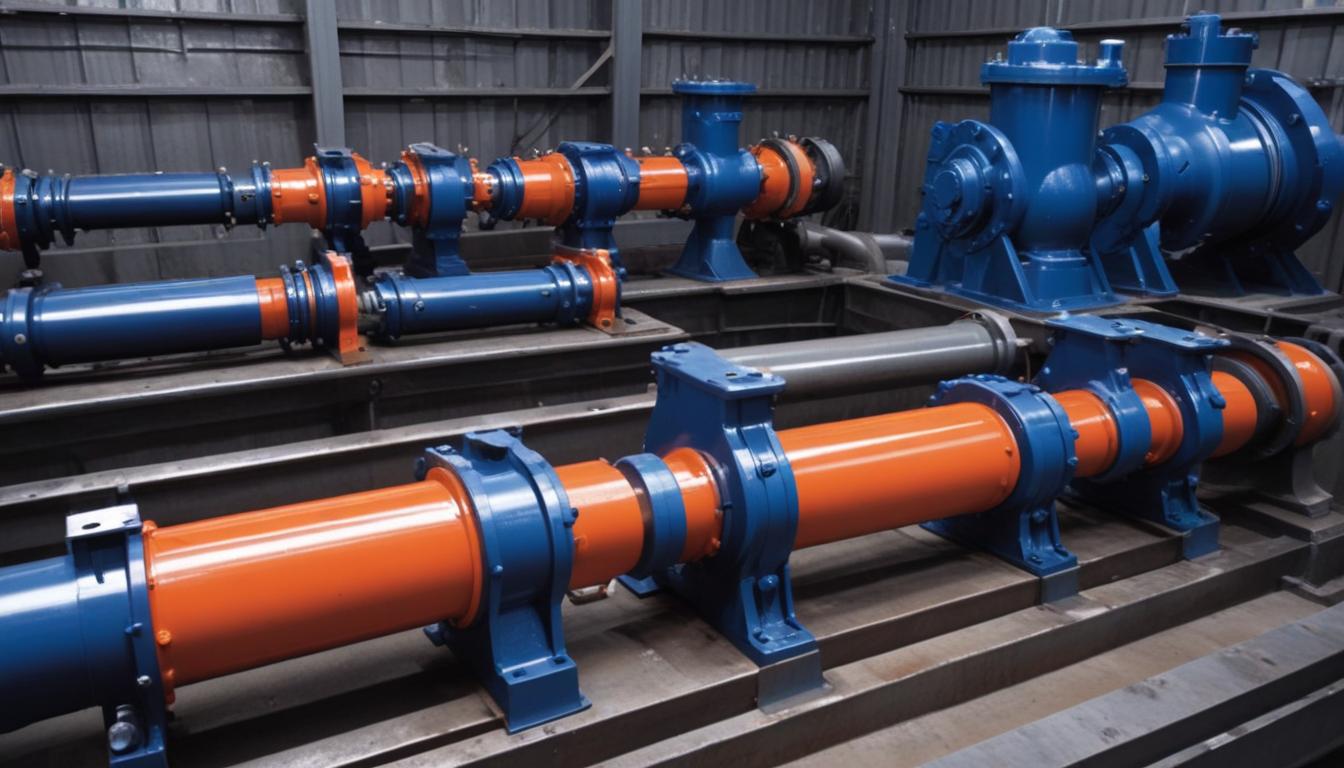
As the landscape of pump maintenance continues to evolve, several trends are emerging that promise to transform how engineers and maintenance teams approach the management of progressive cavity pumps. Emphasizing predictive analysis, these trends focus on enhancing automation, improving data integration, and implementing advanced technologies to further minimize downtime and maximize efficiency.
One significant trend is the increased adoption of Artificial Intelligence (AI) and Machine Learning in predictive maintenance. These technologies enable systems to analyze vast amounts of data collected from pumps, identify patterns, and predict potential failures with greater accuracy. By automating data interpretation, engineers can shift their focus from labor-intensive monitoring tasks to strategic decision-making. This predictive capability not only streamlines operations but also significantly reduces the occurrence of unexpected downtime.
Another critical innovation is the rise of Industry 4.0 principles, where interconnected devices and systems communicate seamlessly. The integration of Internet of Things (IoT) technologies allows for real-time monitoring of progressive cavity pumps, enabling maintenance teams to receive instantaneous alerts regarding equipment health. This connectivity empowers engineers to proactively address anomalies as they arise, thus further decreasing the likelihood of unplanned outages associated with pump malfunctions.
Cloud computing has also facilitated enhanced data storage and processing capabilities, allowing for comprehensive data analysis and historical record-keeping. By employing cloud-based analytics platforms, organizations can easily access performance metrics and maintenance histories remotely, leading to improved collaboration among engineering teams and upselling opportunities in various sectors.
In addition to technological advancements, the emphasis on operator training is gaining traction. Organizations are increasingly realizing that highly trained personnel are essential for maximizing the benefits of predictive maintenance. By investing in the development of skills related to data interpretation and management of advanced monitoring systems, teams can create more effective maintenance strategies tailored specifically for the unique operational demands of their progressive cavity pumps.
Furthermore, sustainability considerations are beginning to influence maintenance strategies. As industries focus on minimizing their environmental impact, there is a growing trend towards adopting maintenance practices that not only improve efficiency but also conserve resources. Techniques such as energy consumption analysis are becoming integral to understanding the operational footprint of pumping systems, leading to more sustainable practices in pump operation.
The proliferation of big data analytics tools is also reshaping how organizations approach pump maintenance. By leveraging comprehensive data ecosystems, facilities can gain insights into performance trends over time, allowing them to make informed adjustments to optimize their processes. Such data-driven decision-making fosters a responsive maintenance culture, significantly minimizing the risk of unexpected failures.
As these trends continue to unfold, it is clear that the future of pump maintenance will rely heavily on the convergence of advanced technologies, data analytics, and skilled personnel. By embracing these changes, organizations can enhance the efficiency and reliability of progressive cavity pumps, ultimately leading to significant decreases in maintenance costs and downtime.