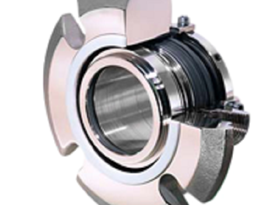
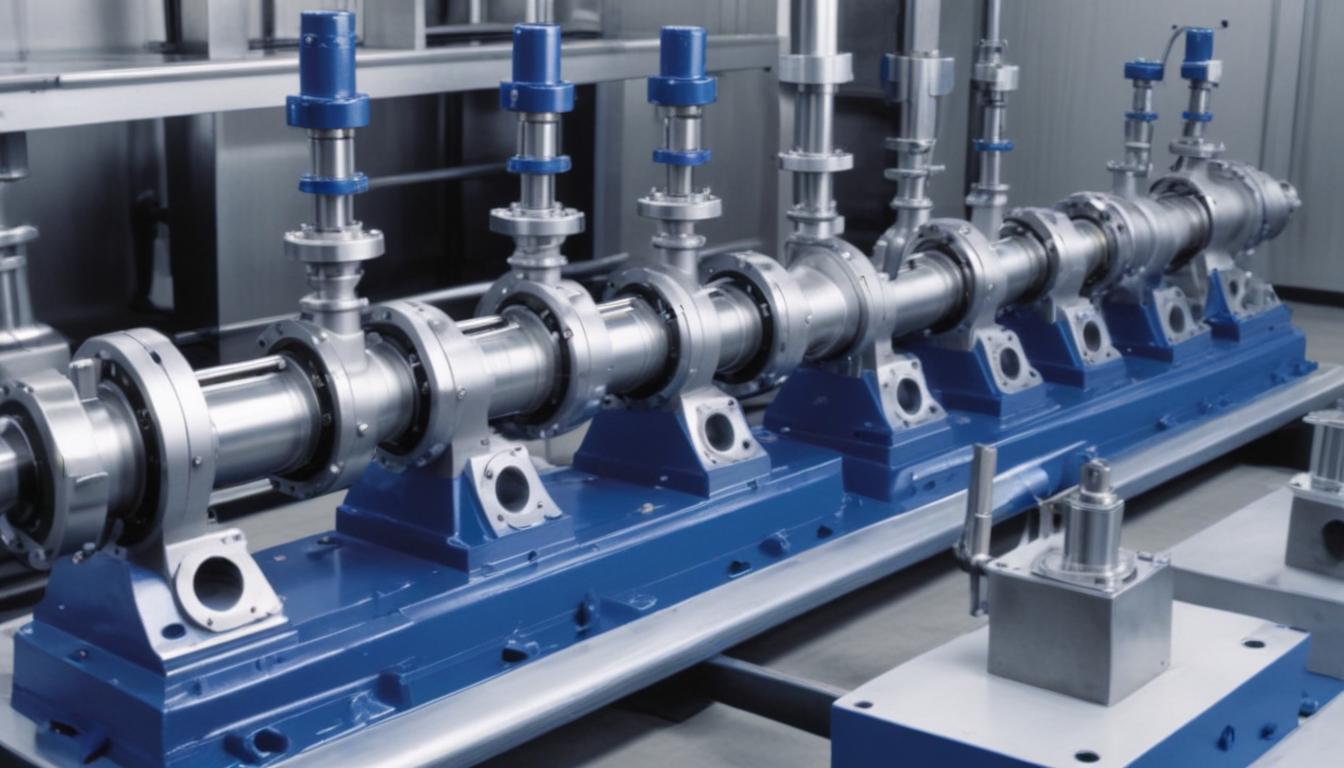
Precision engineering in the development of progressive cavity pumps
In the realm of pump design, particularly concerning progressive cavity pumps, precision engineering plays a crucial role in ensuring optimal performance and reliability. This discipline focuses on the meticulous alignment of various components, the accuracy of measurements, and the adherence to strict tolerances throughout the development process. By employing advanced computer-aided design (CAD) software, engineers can simulate the operational conditions of pumps, allowing for precise modeling of fluid dynamics and interaction between moving parts.
Furthermore, precision engineering facilitates the evaluation of material properties and geometrical characteristics that directly affect pump efficiency and longevity. Utilizing finite element analysis (FEA), designers can identify potential stress points and failure modes, enabling the creation of robust designs that withstand operational demands. This analytical approach not only enhances the structural integrity of progressive cavity pumps but also optimizes their energy consumption, yielding significant savings over time.
To achieve the desired level of precision, various manufacturing techniques are employed. For instance, computer numerical control (CNC) machining enables high precision during the production of pump components, while techniques such as injection molding allow for consistent replication of complex shapes. Additionally, additive manufacturing has emerged as a valuable tool in rapid prototyping, enabling engineers to quickly iterate designs and refine them based on testing feedback.
The principles of precision engineering are integral to the development of progressive cavity pumps, ensuring that each component aligns with operational specifications and contributes to the overall efficiency of the system. As this field evolves, the integration of sophisticated technologies continues to enhance the precision and reliability of pump designs.
Advantages of progressive cavity pumps
Progressive cavity pumps offer a myriad of advantages that set them apart from traditional pump technologies, particularly in applications requiring consistent flow and the handling of challenging fluids. One of the primary benefits of these pumps is their ability to provide a uniform flow rate, which is essential in processes that demand precision and reliability. This characteristic is achieved through the unique helical rotor and stator design, which allows for smooth, continuous fluid movement without pulsation.
Another significant advantage of progressive cavity pumps is their versatility in handling a wide range of fluid viscosities. They excel in transporting not only low-viscosity liquids but also high-viscosity substances, including slurries, thick pastes, and even abrasive materials. This capability makes them invaluable in industries such as oil and gas, food and beverage, and wastewater treatment, where various fluids must be effectively managed.
In terms of maintenance, progressive cavity pumps are designed with fewer moving parts compared to other pump types, leading to reduced wear and tear. This design minimizes downtime and maintenance costs, allowing for a more efficient operation over time. The ease of serviceability is further enhanced by the ability to replace worn components without extensive disassembly, ensuring that pumps return to operational status quickly.
The self-priming nature of progressive cavity pumps provides another competitive edge, allowing them to operate without an additional priming system. This feature enhances their suitability for applications where suction lift is required, simplifying the installation process and improving operational efficiency.
Additionally, these pumps demonstrate a high tolerance for variations in fluid composition and temperature. This resilience enables them to adapt to different operational conditions, making them an ideal choice for industries facing fluctuating process variables. As such, progressive cavity pumps contribute to enhanced process safety, ensuring that even under adverse conditions, fluid transport remains efficient and reliable.
To summarize, the advantages of progressive cavity pumps—including consistent flow rates, versatility with various fluids, reduced maintenance needs, self-priming capabilities, and adaptability to changing conditions—make them a preferred choice in many engineering applications. These benefits stem from the advanced principles of precision engineering that govern their design and development, ensuring optimal performance in diverse settings.
Materials and manufacturing processes
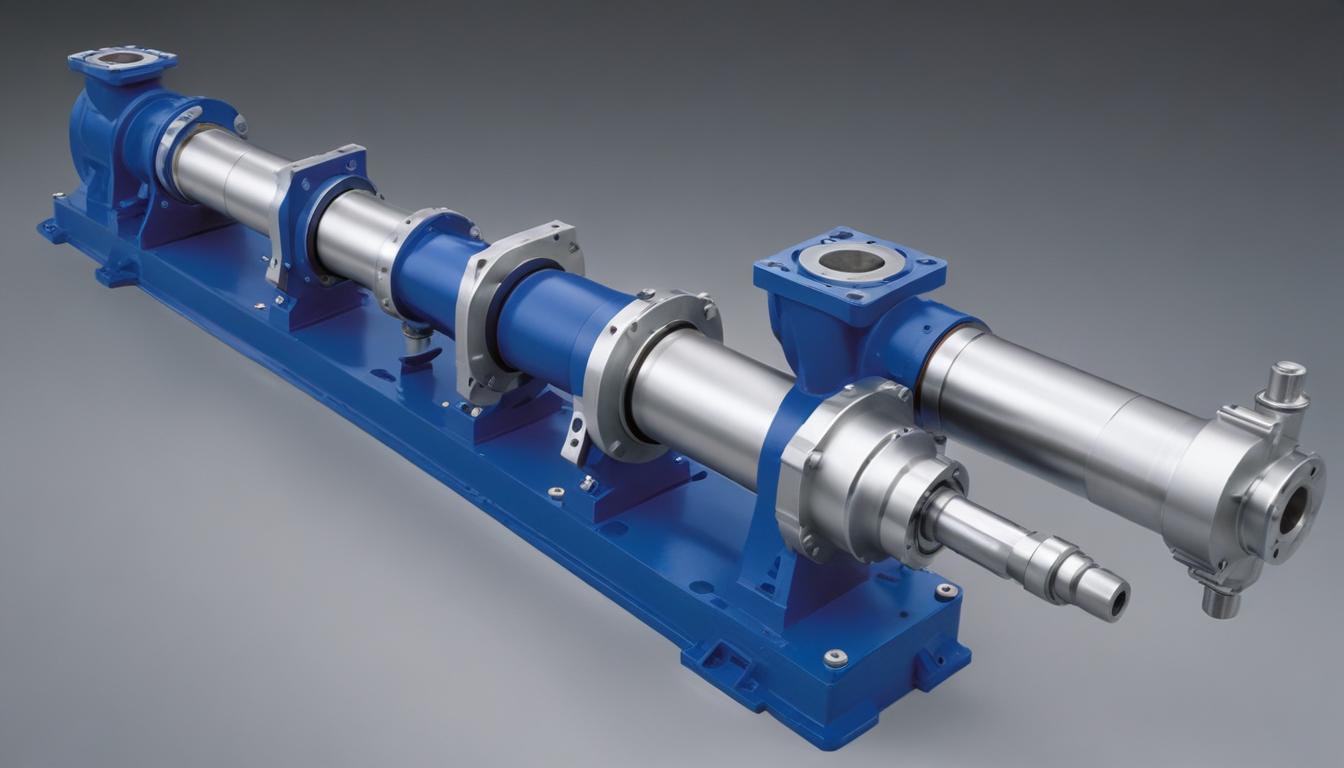
In the field of manufacturing, the production of progressive cavity pumps hinges significantly on the choice of materials and the processes implemented to ensure quality and durability. It is essential to select materials that can withstand the specific demands of the pumping environment, such as corrosion resistance, temperature fluctuations, and mechanical stresses. Typically, components of progressive cavity pumps are constructed from stainless steel, hardened alloys, and specialized plastics, each selected based on the characteristics of the fluids being pumped and the environmental conditions to which the pumps will be exposed.
The manufacturing process of progressive cavity pumps involves several stages, starting from material selection to final assembly. One prominent technique employed in the fabrication of pump components is casting, which is suitable for creating complex geometries with minimal wastage. This method allows for precise control over material properties and can be particularly advantageous when producing the stator housing.
Another critical technique is machining, especially CNC machining, which provides the precision necessary in crafting the rotor and driving shafts. CNC technology allows engineers to achieve tight tolerances that are vital for the efficient operation of the pump. Moreover, the machining process often requires the use of advanced cutting tools that can maintain performance while working with tough materials.
- Polymer Injection Molding: This process is frequently used for the production of stators made from elastomers. It ensures high consistency and allows for intricate details to be incorporated into the design, which can enhance seal integrity and operational efficiency.
- Welding: For assemblies where multiple parts need to be joined, precise welding techniques are employed. This is critical for ensuring the durability of the joints under high pressure scenarios typical in pump operations.
- Surface Treatments: To enhance the longevity and corrosion resistance of components, surface treatments such as coating or hardening processes are often applied. These treatments can significantly improve performance and resistance to wear over time.
Quality control is paramount throughout these processes. Engineering teams implement rigorous testing methods at each stage of production, utilizing techniques such as non-destructive testing (NDT) and precision measurement tools to ensure that every component meets the specified tolerances. NDT methods like ultrasonic testing and dye penetrant testing help identify any hidden flaws without compromising the integrity of the components. Furthermore, pressure testing on completed pumps ensures they can handle operational conditions without failure.
With the integration of new technologies, including additive manufacturing, the development of progressive cavity pumps is witnessing a transformative shift. This innovative process enables the rapid prototyping of components, allowing for quicker iterations and refinements based on performance evaluations. As advancements continue in materials science and manufacturing methodologies, the efficiency and reliability of progressive cavity pumps are set to improve, ensuring their role in various industrial applications remains vital.
Quality control and testing methods
Quality control and testing methods are critical components in the development of progressive cavity pumps, ensuring that each unit operates efficiently and reliably under specified conditions. Engineers implement a comprehensive quality assurance strategy that includes multiple testing paradigms throughout the manufacturing process, from the individual components to the assembled pumps.
One key aspect of quality control is the use of non-destructive testing (NDT) methods, which allow for the detection of internal flaws without damaging the components. Techniques such as ultrasonic testing and dye penetrant testing are frequently employed, enabling engineers to identify imperfections that can compromise the pump’s integrity. These methods are particularly valuable in high-stakes environments where pump failure could lead to safety hazards or significant operational downtime.
Additionally, pressure testing is conducted on the assembled pumps to verify their ability to withstand operational pressures without leakage or failure. This testing simulates the pump’s working conditions, ensuring that every unit complies with industry standards and customer specifications. By subjecting the pumps to varying pressure levels, engineers can pinpoint potential weaknesses and make necessary adjustments before the products reach the market.
- Leakage Testing: Performed to ensure seals and joints are performing optimally, this test helps in identifying any improper assembly or material incompatibility that could lead to failure during operation.
- Performance Benchmarking: It benchmarks the pump’s actual performance against predefined criteria, allowing engineers to assess efficiency, flow rate, and energy consumption.
- Component Inspection: Each component is subjected to rigorous dimensional inspections using tools like coordinate measuring machines (CMMs) to ensure adherence to the precision engineering standards essential for the pumps’ efficacy.
Moreover, the integration of automated measurement systems and advanced data analytics enhances the efficiency of the testing process. Utilizing digital twin technology, engineers can create virtual models of the pumps and simulate performance under various conditions, thus predicting potential failures before they occur. This proactive approach not only shortens the testing timeline but also significantly improves the reliability of the output.
Another important aspect is the continuous monitoring of production processes. Real-time data collection and analysis during manufacturing allow for immediate adjustments, ensuring that any deviations from quality standards are rectified promptly. This commitment to maintaining high-quality benchmarks is what distinguishes manufacturers in the progressive cavity pump market, fostering trust among users who rely on these critical components in their operations.
As technological advancements emerge, the methodologies involved in quality control and testing are evolving, incorporating more sophisticated tools such as artificial intelligence and machine learning. These innovations facilitate predictive maintenance strategies, enabling engineers to foresee issues before they manifest in the pump’s performance. Through these comprehensive quality control measures and testing methods, manufacturers ensure that progressive cavity pumps not only meet but often exceed industry standards, thereby enhancing their reputation and customer satisfaction.
Future trends in pump technology
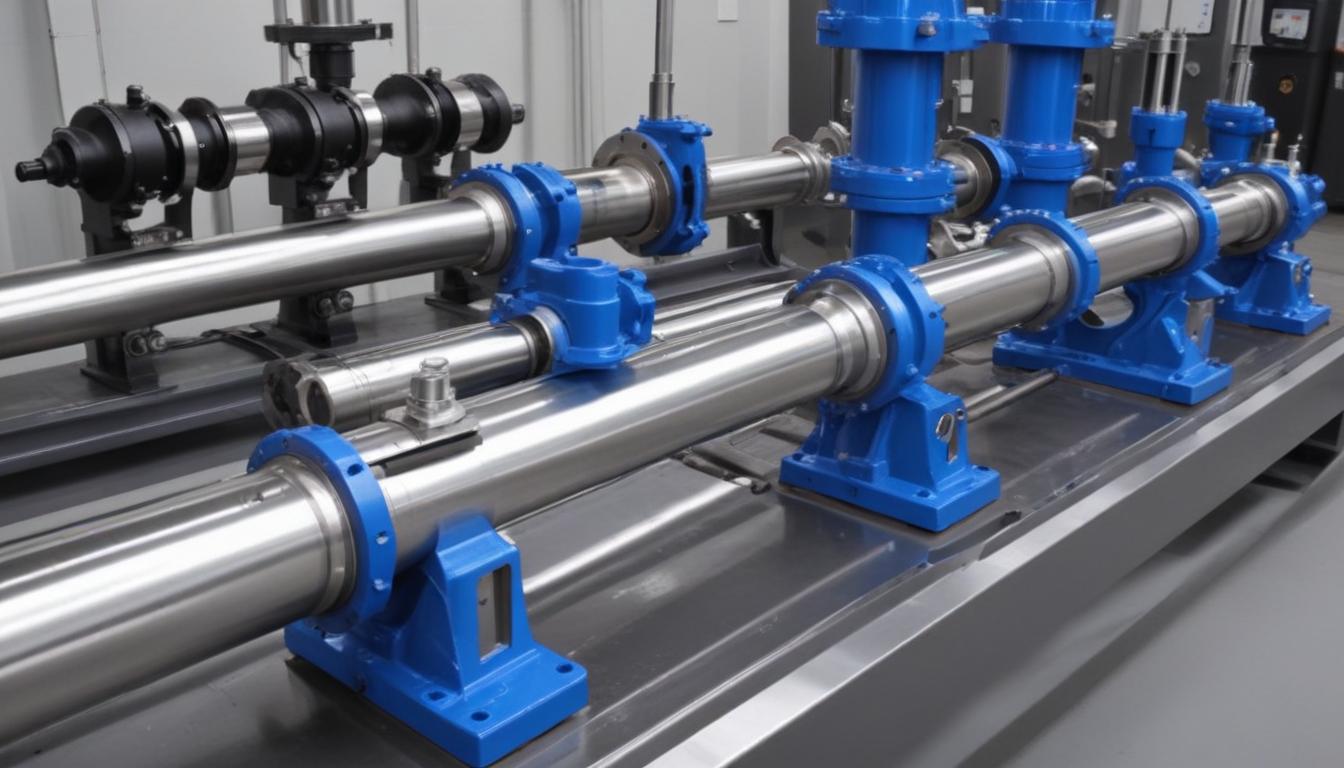
The future of pump technology is poised to undergo significant transformations with the advent of emerging technologies and innovative methodologies that promise to enhance the functionality and efficiency of progressive cavity pumps. As industries evolve and the demands for more sustainable and high-performance equipment increase, the integration of advancements such as the Internet of Things (IoT), artificial intelligence (AI), and machine learning is becoming increasingly prevalent in pump design and operation.
One of the most notable trends is the incorporation of smart technology into pump systems. By integrating sensors and IoT capabilities, progressive cavity pumps can be monitored in real time, allowing engineers and operators to collect data on performance metrics such as flow rate, pressure, and energy consumption. This data-driven approach enables predictive maintenance, where potential issues can be identified and addressed before they lead to pump failure, thereby reducing downtime and maintenance costs.
As sustainability takes center stage, progressive cavity pump manufacturers are also focusing on energy efficiency. Innovations in motor designs, such as variable frequency drives (VFDs), optimize the speed of the pumps based on operational demands, leading to significant energy savings. The push for eco-friendly materials is another aspect, with a growing emphasis on biodegradable and recyclable materials in manufacturing components. These initiatives not only contribute to reducing the environmental footprint of pump operations but also align with global sustainability goals.
Moreover, advancements in additive manufacturing are reshaping the production landscape of progressive cavity pumps. This technique allows for the rapid prototyping of complex geometries that were previously difficult to achieve with traditional manufacturing methods. Enhanced design flexibility and material optimization enable manufacturers to create lighter and more efficient pump components, improving overall performance while reducing material waste.
- Digital Twins: The concept of creating virtual replicas of physical pumps is gaining traction. This technology allows for thorough simulations during the design phase, providing insights into how modifications may affect performance. By predicting performance outcomes, manufacturers can refine products before physical prototyping.
- AI-Driven Design Optimization: Utilizing machine learning algorithms, engineers can analyze vast amounts of operational data to identify patterns and optimize pump designs. This iterative process significantly accelerates the development timeline, allowing for more rapid innovations in pump technology.
- Remote Monitoring and Control: The ability to remotely operate and monitor pumps enhances reliability and operational efficiency. Operators can make data-informed decisions, thus minimizing human error and ensuring optimal pump performance in varying conditions.
In line with these advancements, the practice of precision engineering remains foundational in the development of new pump technologies. As designs become more complex and integrated systems are developed, maintaining high standards of precision throughout the manufacturing process will be critical. Advanced machining techniques, automation in production lines, and rigorous quality assurance protocols are essential to ensure the reliability and efficiency of progressive cavity pumps in diverse applications.
The convergence of these trends indicates a promising future for pump technology, opening up avenues for greater operational efficiencies and adaptability to changing industrial needs. As manufacturers continue to innovate and embrace new technologies, progressive cavity pumps are expected to evolve significantly, ensuring they meet the rigorous demands of the modern marketplace.