
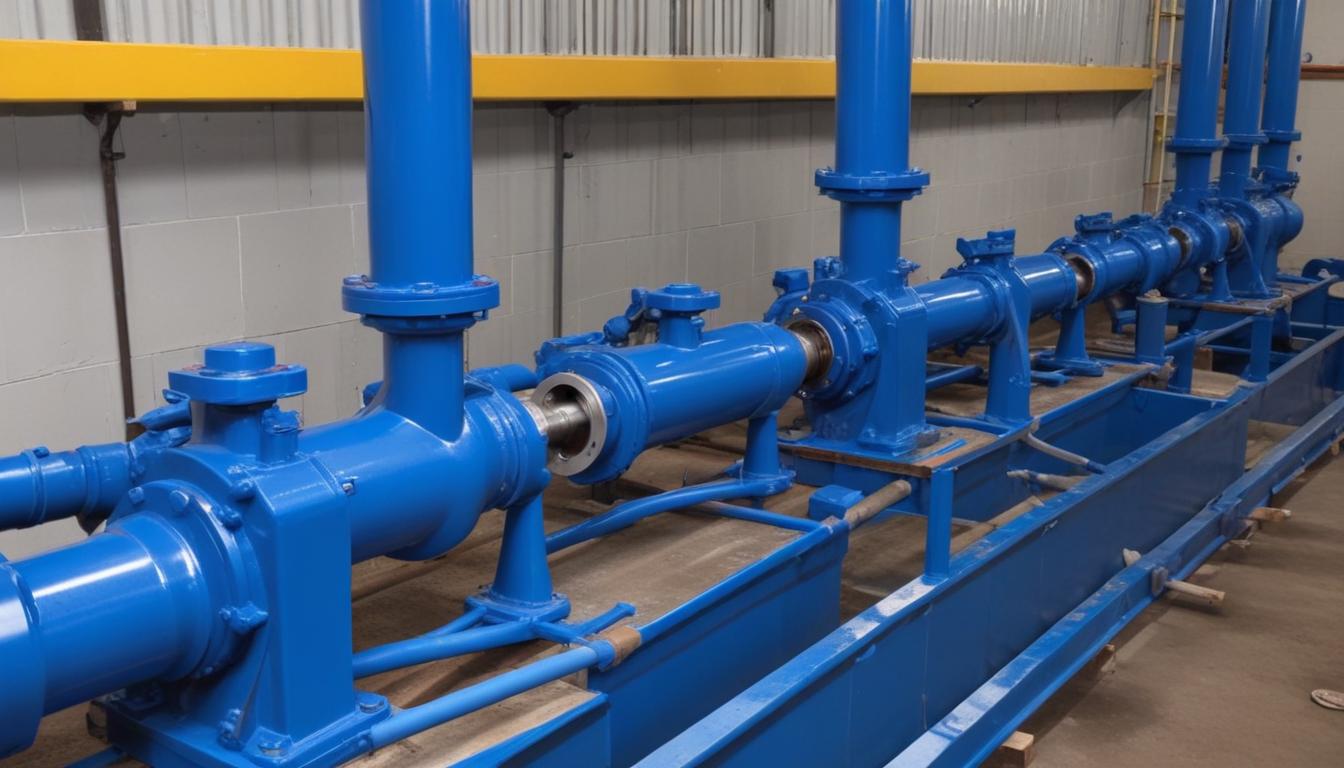
Optimizing flow rates in progressive cavity pumps
Optimizing flow rates in progressive cavity pumps is crucial for enhancing efficiency, reducing energy consumption, and ensuring the longevity of the pump system. Proper optimization techniques can lead to increased reliability and performance, ultimately affecting the overall productivity in any application utilizing these pumps. Key optimization methods involve careful consideration of operational parameters, including viscosity of the fluid being pumped, speed of the pump, and the design of the pump system itself.
One effective approach is adjusting the RPM (revolutions per minute) of the pump. By modifying the pump speed, users can achieve desired flow outputs while maintaining operational stability. However, it’s important to take into account the viscosity of the fluid, as higher viscosity can necessitate lower speeds to prevent excessive wear or damage.
Another significant factor is the geometry of the pump elements. Using specialized rotors and stators that are designed for specific fluid types can markedly improve flow performance. The choice of materials and the precision in manufacturing these components also play a role in optimizing flow rates.
Regular maintenance is essential for optimal pump operation. This includes monitoring wear on the internal components and ensuring that seals are intact. A well-maintained pump system will function efficiently, maximizing flow rates and minimizing downtime.
Furthermore, employing advanced monitoring systems that use real-time data can greatly enhance performance. These systems allow for continuous adjustments based on actual flow conditions, ensuring that the pump operates within its most efficient parameters.
- Benefits of Optimizing Flow Rates:
- Improved operational efficiency
- Reduced energy consumption
- Minimized wear and tear on pump components
- Increased system reliability
- Key Optimization Techniques:
- Adjusting pump RPM based on fluid viscosity
- Selecting the right geometry for rotors and stators
- Implementing proactive maintenance schedules
- Using real-time data monitoring systems
By focusing on these principles, engineers and pump users can effectively optimize the flow rates of progressive cavity pumps, leading to more efficient and sustainable operations across various industries.
Understanding progressive cavity pumps
Progressive cavity pumps are positive displacement pumps characterized by their unique design, which consists of a single helical rotor rotating within a double helical stator. This configuration forms a series of sealed cavities that transport the fluid in a smooth and continuous manner, making them particularly suitable for handling various types of fluids, including those with high viscosity and solid content. The operational principle of these pumps relies on the rotary motion of the rotor, which creates a progressive flow path that enables consistent flow rates. Understanding the intricate mechanics involved in the working of progressive cavity pumps is essential for optimizing performance and achieving desired output.
The efficiency of progressive cavity pumps is significantly influenced by their mechanical design. The clearance between the rotor and stator plays a critical role in the energy consumption and capacity of the pump. A tighter clearance can increase efficiency, but it may also lead to increased wear and necessitate more frequent maintenance. Conversely, a larger clearance can reduce wear but may result in lower flow rates. Therefore, selecting the appropriate clearance is a crucial aspect of optimizing flow rates.
Another important consideration is the materials used in the construction of the pump components. Common materials include elastomers and metals, which must be chosen based on the properties of the fluid being pumped. For example, corrosive fluids may require pumps with components made from stainless steel or specialized coatings to prevent degradation. The compatibility of materials with the pumped fluid not only affects the longevity of the pump but also its overall efficiency.
Moreover, factors like temperature and pressure have a significant impact on flow rates. The viscosity of the fluid increases with temperature, which may necessitate adjustments in pump speed or configuration to maintain optimal performance. Similarly, varying pressure conditions can alter flow characteristics, highlighting the need for dynamic adjustments during operation.
In terms of flow optimization, monitoring and data analysis play integral roles. Employing advanced sensors capable of detecting variations in flow rates and viscosities allows for real-time adjustments to speed, torque, and other operational parameters. This proactive strategy not only enhances the performance of the pump but also minimizes the risk of operational failures.
- Key Features of Progressive Cavity Pumps:
- Positive displacement mechanism ensures consistent flow rates
- Ability to handle challenging fluids, including viscous and shear-sensitive liquids
- Flexible in terms of speed and operational parameters
- Variety of material options tailored to specific pumping applications
- Operational Considerations:
- Careful selection of rotor and stator configurations
- Assessment of operational pressures and temperatures
- Regular performance evaluations through monitoring systems
- Material compatibility with the pumped fluid
Understanding the mechanics and operational dynamics of progressive cavity pumps is fundamental for engineers and users striving to optimize flow rates effectively. By integrating design considerations with real-time monitoring, significant advancements in pump performance can be achieved, thereby ensuring efficient operation across various applications.
Factors affecting flow rates
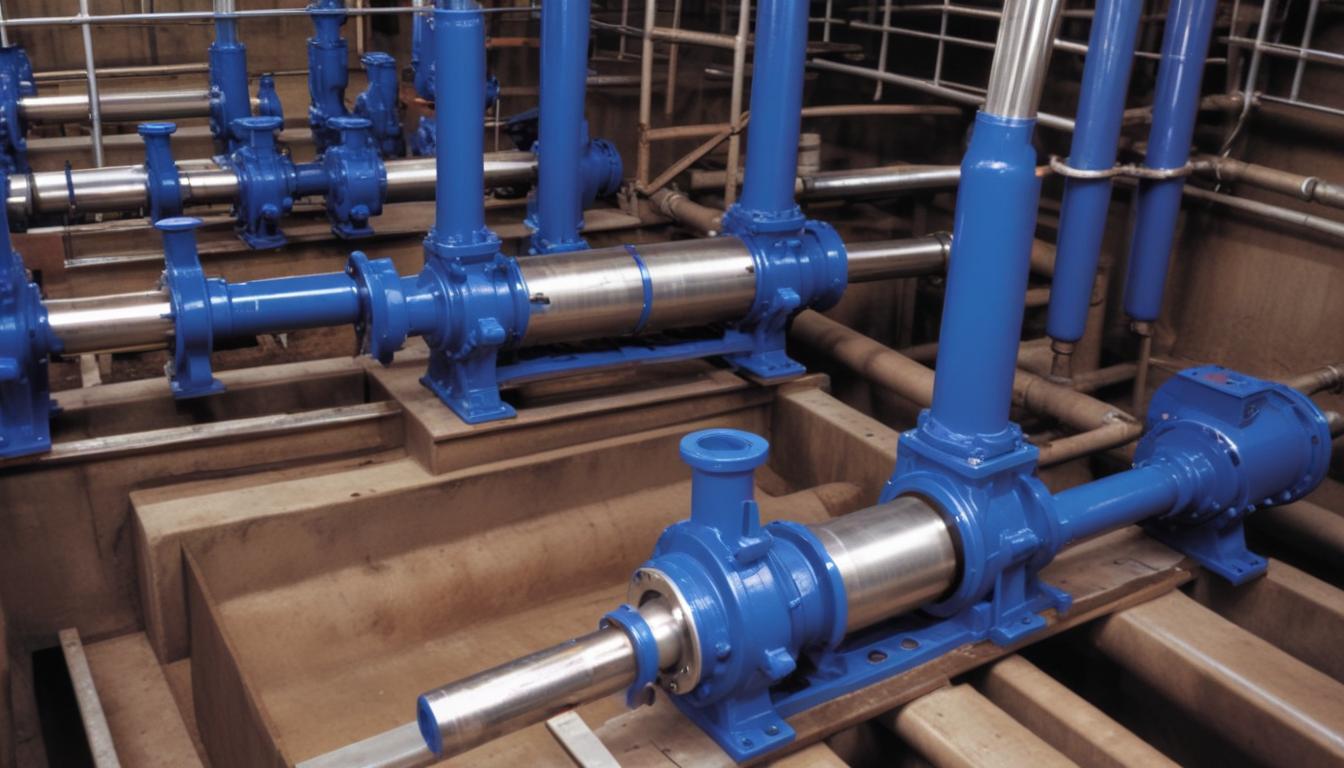
Several crucial factors affect the flow rates in progressive cavity pumps that engineers and users must consider to ensure optimal performance. These factors include fluid properties, operational conditions, and mechanical design aspects. Each element plays a role in the efficiency and reliability of the pump system.
One of the primary factors is the viscosity of the fluid being pumped. Fluids with higher viscosity require more energy to move, which can limit flow rates. Proper selection of pump speed is essential; increasing the RPM can enhance flow for lower-viscosity fluids, while higher viscosity may necessitate reduced speeds to prevent excessive wear or damage to the pump components.
Additionally, the temperature of the fluid can significantly impact its viscosity, thus affecting flow rates. Heat typically reduces viscosity, allowing for easier flow, while colder temperatures can thicken a fluid, increasing resistance within the system. Engineers must account for these variances in operational environments, adapting both pump design and operational parameters accordingly.
Pressure conditions also play a vital role in determining flow rates. Progressive cavity pumps are designed to handle specific pressure applications, and deviations from these parameters may result in inadequate compression and inefficient fluid movement. Maintaining optimal pressure levels is crucial for maximizing the efficiency of the pump and ensuring stable flow rates.
The mechanical design of the pump itself is another critical factor. The clearance between the rotor and stator significantly influences the pump’s performance. Tight clearances can enhance efficiency and flow rates; however, they increase wear, while larger clearances can reduce friction but may lead to lower effective flow rates. Careful consideration must be given to the geometry of the rotor and stator as well, as specific designs may be more suited to particular fluids, ultimately affecting performance and optimization.
| Factor | Impact on Flow Rates |
|---|---|
| Viscosity | Higher viscosity can limit flow; adjustments in speed necessary. |
| Temperature | Affects fluid viscosity, impacting flow ability. |
| Pressure | Maintaining correct pressure is crucial for adequate flow. |
| Mechanical Design | Clearances and geometries affect energy consumption and capacity. |
Regular monitoring of these factors is vital for maintaining optimal flow rates in progressive cavity pumps. By leveraging advanced sensors and real-time data analytics, engineers can process critical information and make necessary adjustments to the system, ensuring that the pump operates within its most efficient parameters and enhancing overall performance and reliability.
Techniques for optimizing flow
Optimizing flow rates in progressive cavity pumps involves a variety of specialized techniques that enhance their efficiency and reliability. One of the foremost methods is the implementation of variable frequency drives (VFDs). These devices allow for precise control of the pump speed, which can be adjusted in response to changes in viscosity, pressure, or flow requirements. By utilizing VFDs, operators can achieve optimal flow rates while minimizing energy consumption, reducing operational costs, and extending the life of the pump components.
Another effective technique is the utilization of modular pump design, which allows for the interchange of pump elements. This flexibility enables users to tailor the pump configuration to match the specific characteristics of the fluid being handled, whether it be highly viscous or containing solid particles. By ensuring the pump is appropriately designed for the application, users can optimize flow rates and improve overall system performance.
Furthermore, pipeline design plays a critical role in enhancing flow rates. Ensuring that the inlet and outlet configurations are optimized for the specific pump type and application can significantly reduce energy loss due to turbulence or friction. Utilizing smooth, appropriately sized piping with minimal bends can help in maintaining a consistent flow rate while reducing the risk of blockages or pressure drops.
Routine maintenance regimes contribute to the optimization of flow rates as well. Regular inspections and timely replacements of worn components such as bushings, seals, and bearings are essential to prevent performance degradation. Predictive maintenance practices, which utilize data analysis to predict wear before it impacts operation, can further enhance reliability and efficiency of the pumps.
Incorporating smart technologies such as IoT-enabled sensors allows for real-time monitoring of flow rates and other critical parameters. This technological integration provides engineers with valuable insights and data analytics, which can be used to make informed decisions regarding immediate adjustments. By reacting quickly to changes in operating conditions, users can maintain efficient flow rates and prevent unnecessary downtime.
- Common Techniques for Flow Rate Optimization:
- Implementation of variable frequency drives (VFDs)
- Utilization of modular pump designs for adaptability
- Optimization of pipeline design and fittings
- Routine and predictive maintenance to ensure operational integrity
- Integration of smart technologies for real-time monitoring
By prioritizing these techniques, engineers and pump users can significantly enhance the flow rates of progressive cavity pumps, leading to improved efficiency, reduced energy consumption, and a more sustainable operation overall. Each technique provides unique advantages that, when applied correctly, foster an environment where maximum pump performance can be consistently achieved.
Monitoring and controlling flow rates
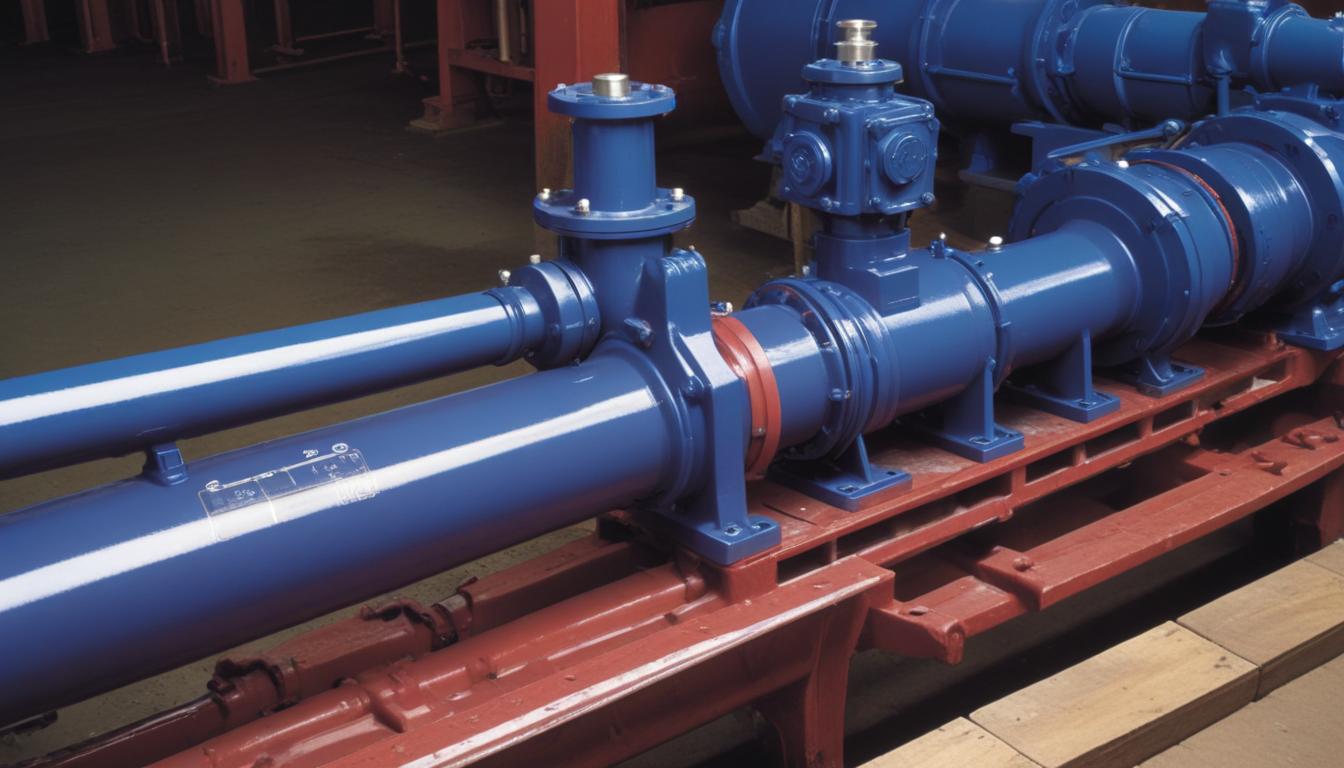
Monitoring and controlling flow rates in progressive cavity pumps is essential for ensuring efficient operation and maximizing the pump’s performance. The process involves utilizing advanced monitoring systems, sensors, and control strategies to achieve optimal fluid movement under varying operational conditions.
Key to effective monitoring is the implementation of real-time data acquisition systems that provide continuous feedback on flow rates, pressure, temperature, and viscosity. These systems allow operators to assess the current state of the pump and make informed adjustments. With devices capable of capturing critical parameters, such as those integrated with IoT technology, engineers can gain insights into the performance metrics, enabling proactive management of the pump.
Flow rates can be influenced by numerous factors, including changes in fluid properties, pipeline conditions, and pump settings. To maintain optimal flow, it is crucial to monitor:
- Fluid viscosity: As viscosity fluctuates due to temperature changes or differences in fluid composition, flow rate adjustments may be necessary.
- Pressure levels: Monitoring inlet and outlet pressures can help detect issues that may impede flow and allow for timely corrections.
- Operational speed: The speed of the pump should be dynamically adjusted based on real-time data to optimize flow rates and reduce energy consumption.
To effectively control these parameters, employing variable speed drives (VSDs) or variable frequency drives (VFDs) can significantly enhance the responsiveness of the pump system. These drives facilitate the adjustment of pump speeds in real-time according to the monitored conditions, allowing for greater flexibility and control over flow rates. By aligning the pump operation with the specific demands of the application, energy usage can be minimized, and wear on pump components can be reduced.
A structured approach to flow management can involve the following steps:
- Continuous monitoring: Utilize sensors and monitoring systems to gather data on flow rates, pressures, and other relevant metrics.
- Data analysis: Implement software tools that can analyze collected data, identify patterns, and predict potential issues before they escalate.
- Dynamic adjustments: Establish protocols for adjusting pump operations based on real-time data, including changing speeds, altering the flow direction, or reconfiguring the system setup.
In addition to these measures, regular maintenance practices, such as routine inspections and replacements of worn components, play a pivotal role in ensuring that the monitoring and control systems function optimally. Preventive maintenance, conducted at determined intervals, helps identify potential operational constraints before they affect flow rates and performance.
Ultimately, combining advanced monitoring technologies with proactive control techniques will not only enhance the reliability of progressive cavity pumps but also ensure that flow rates remain consistent and within desired ranges. This integrated approach leads to maximizing efficiency, reducing operational interruptions, and increasing overall productivity.
Case studies and applications
In various industries, real-world applications of optimizing flow rates in progressive cavity pumps demonstrate significant improvements in efficiency and system reliability. Case studies highlight how strategic adjustments and innovative practices have transformed operations across sectors such as food processing, oil and gas, and wastewater treatment.
For instance, in the food processing industry, a major manufacturer faced challenges with pumping high-viscosity sauces. The initial setup resulted in inconsistent flow rates, leading to production bottlenecks. By implementing a variable frequency drive (VFD) system, the manufacturer optimized the pump’s speed according to the viscosity of the sauces at different temperatures. This adjustment allowed for a more stable flow rate, reduced energy consumption by approximately 15%, and minimized mechanical wear. In addition, incorporating advanced sensors for real-time monitoring provided further insights, enabling proactive maintenance that extended the lifespan of pump components.
In the oil and gas sector, a facility that required the transport of a viscous drilling mud experienced substantial downtime due to flow rate inconsistencies. Engineers reassessed the existing pump configurations and opted for a modular pump design tailored to the specific fluid characteristics. By selecting rotors and stators designed specifically for handling high solid content, they were able to maintain consistent flow rates despite fluctuations in pressure and temperature. This optimization not only enhanced production stability but also reduced maintenance costs by decreasing the frequency of component replacements.
Moreover, in wastewater treatment applications, a plant utilizing progressive cavity pumps to manage sludge noted significant operational inefficiencies. Through a comprehensive review of their pipeline design and pump settings, engineers implemented a series of strategic modifications, including adjustments to the pump speed and optimizing the pipeline layout to reduce turbulence. The outcome was an improvement in flow rates by over 20%, which significantly increased the efficiency of the treatment process and reduced energy expenses. Regular performance assessments through integrated monitoring systems allowed the plant to sustain these gains over time, adapting to evolving operational conditions.
These case studies underscore the importance of understanding the operational demands of progressive cavity pumps and implementing targeted strategies for flow rate optimization. By leveraging advanced technologies, customized pump designs, and rigorous monitoring practices, organizations can realize substantial benefits, including enhanced system reliability, reduced operational costs, and improved production efficiency.