How to ensure optimal lubrication for progressive cavity pumps
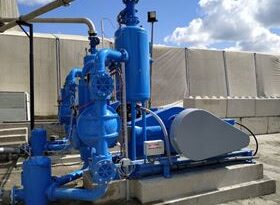
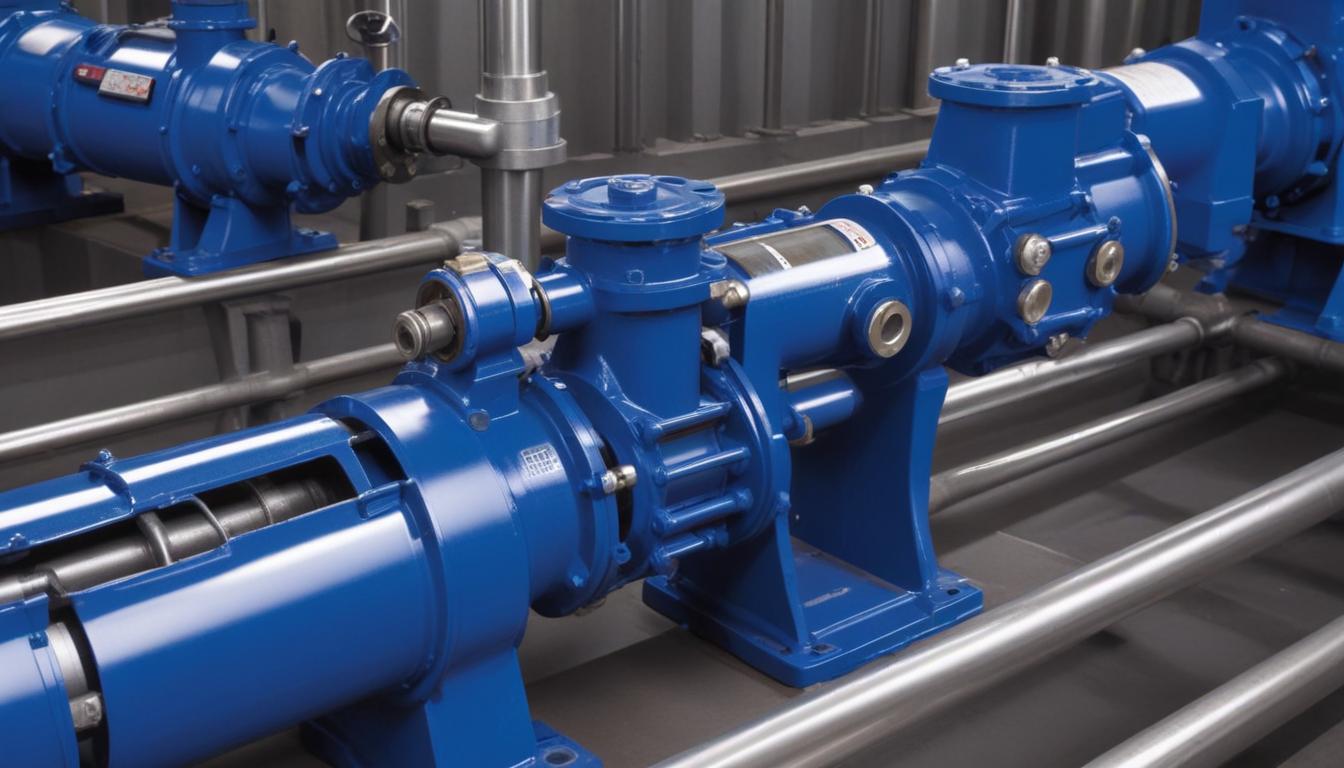
Progressive cavity pumps are positive displacement pumps known for their ability to handle a variety of fluids, including those that are viscous, abrasive, or contain solids. These pumps consist of a helical rotor that rotates within a stator, creating a series of chambers that transport the fluid from the inlet to the discharge point. The unique design allows for a smooth, continuous flow, making them suitable for demanding applications in sectors such as wastewater treatment, food processing, and chemical manufacturing.
Understanding the mechanics of progressive cavity pumps is crucial for optimizing their performance and longevity. The efficiency of these pumps heavily relies on lubrication, which reduces wear and tear on moving parts and minimizes friction between the rotor and stator. Proper lubrication ensures the integrity of the pump’s internal components, ultimately contributing to reliable operation.
One key advantage of progressive cavity pumps is their ability to maintain a consistent flow rate, even as the viscosity or composition of the pumped fluid changes. However, to achieve this adaptability and efficiency, it is essential to select the right lubrication method. This includes carefully considering factors such as the fluid properties, operating conditions, and the specific requirements of the application. Regularly scheduled maintenance and the appropriate selection of lubricants can further enhance the performance and lifespan of the pump.
As these pumps are often used in challenging environments, understanding their operational parameters and integrating proper lubrication practices will aid engineers and pump operators in maximizing the tunability and functionality of progressive cavity pumps. Ensuring the optimal lubrication not only enhances performance but also minimizes the risk of unexpected downtimes, making it a critical aspect of pump management.
Importance of Lubrication
Proper lubrication is foundational for the effective operation and longevity of progressive cavity pumps. This mechanical system relies on a delicate balance of components that work in harmony to deliver a consistent fluid flow. If lubrication is inadequate or improper, it can lead to increased wear on the rotor and stator, resulting in reduced efficiency and potential pump failure. Therefore, understanding the significance of lubrication in this context is paramount for engineers and operators.
One of the principal roles of lubrication in progressive cavity pumps is to create a protective film between moving parts. This film not only reduces friction but also helps to dissipate heat generated during operation. Without sufficient lubrication, the friction between the rotor and stator expands rapidly, leading to thermal degradation and ultimately compromising the pump’s performance. In addition, the lubrication system aids in preventing corrosion and erosion of metal surfaces, thus prolonging the pump’s operational life.
Moreover, effective lubrication contributes to the optimization of the pump’s efficiency. A well-lubricated progressive cavity pump can operate at lower energy consumption levels while maintaining optimal flow rates. To ensure such performance, it is crucial to regularly monitor the lubrication condition and adjust the maintenance schedule accordingly.
- Fluid Compatibility: Choosing the right lubricant that is chemically compatible with the pumped fluid is essential. Incompatible lubricants can lead to degradation and failure.
- Viscosity Levels: The viscosity of the lubricant should match the operational conditions of the pump. Too thick or too thin lubrication can affect pump performance.
- Temperature Management: Maintain optimal temperature levels of the lubrication to prevent it from breaking down. High temperatures can reduce lubricant effectiveness.
- Regular Inspections: Schedule routine inspections to assess the lubrication system for any signs of contamination or wear.
The focus on lubrication not only enhances the reliability of progressive cavity pumps but also minimizes the risk of operational disruptions, thereby allowing for more seamless industrial processes. Understanding the critical interlink between lubrication and pump operation is vital for all stakeholders involved in the maintenance and management of these essential systems.
Types of Lubrication Fluids
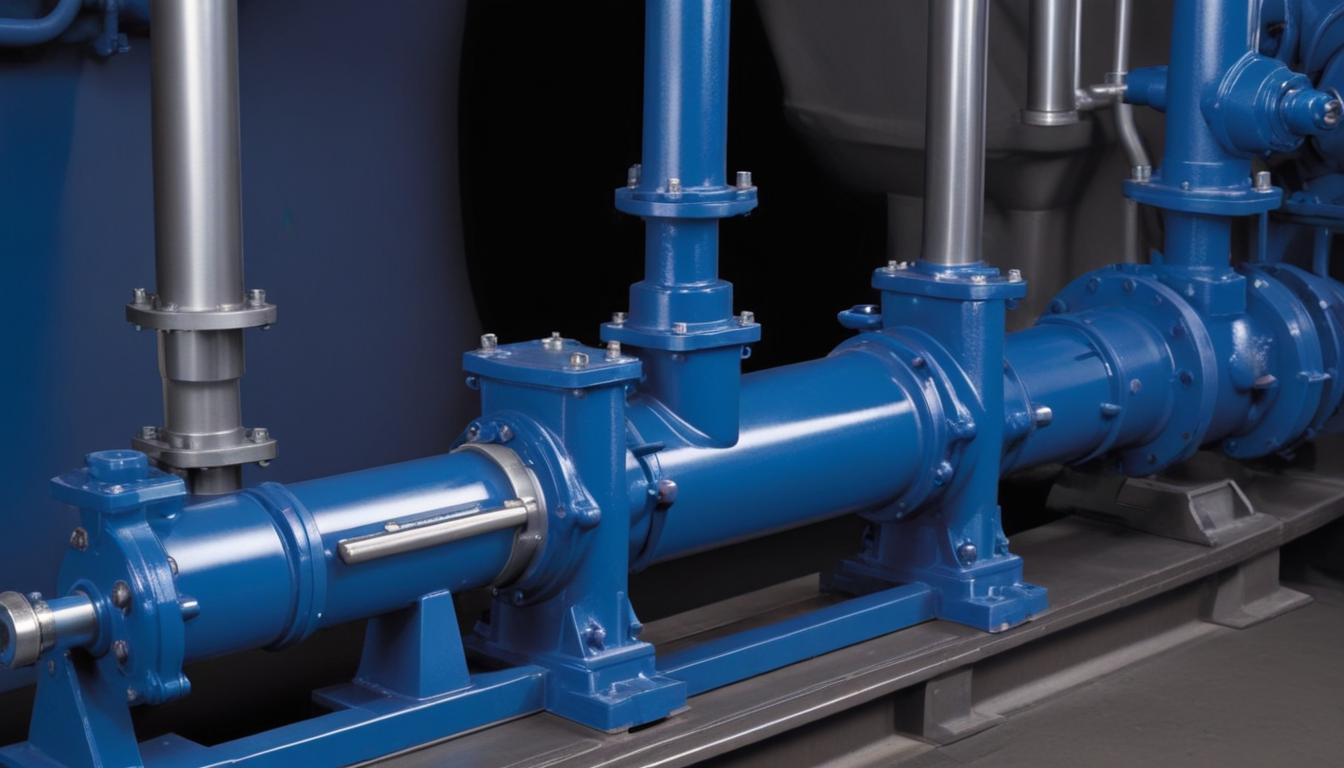
When it comes to selecting lubrication fluids for progressive cavity pumps, it is crucial to recognize that not all lubrication fluids are created equal. The choice of lubrication can greatly influence the pump’s performance and lifecycle. Below are the primary types of lubrication fluids commonly used in progressive cavity pumps:
- Mineral Oils: These are derived from refining crude oil and are widely used due to their effective lubrication properties and availability. Mineral oils can provide good protection against wear and corrosion, making them a suitable choice for many applications. However, they may break down at high temperatures, necessitating careful temperature management.
- Synthetic Oils: Synthetic lubricants offer enhanced stability and performance over a broader range of temperatures compared to mineral oils. They are engineered to withstand extreme conditions and can reduce viscosity changes, thereby maintaining optimal lubrication fluid behavior. This type of lubrication is particularly beneficial in high-temperature or varying load conditions.
- Vegetable Oils: As a renewable option, vegetable oils are becoming increasingly popular in environmentally sensitive applications. They provide good lubrication properties and are biodegradable, making them a suitable choice for industries focused on sustainability. However, vegetable oils may have limitations regarding thermal stability.
- Greases: Greases are utilized where liquid lubricants cannot be maintained, providing a thick lubricant that stays put. Special greases formulated for high-load and low-speed applications can maximize the protection of moving components in progressive cavity pumps by minimizing wear and preventing corrosion.
In selecting the appropriate lubrication fluid, several factors must be addressed:
- Chemical Compatibility: The lubricant must be compatible with both the materials of the pump and the fluids being processed to avoid any adverse reactions that could lead to degradation.
- Viscosity: The viscosity of the lubricant should be carefully matched to the operating conditions of the pump. Lubricants that are too viscous can create excessive friction, while those that are too thin may fail to provide adequate protection.
- Operating Temperature Range: Ensure the selected lubricant can work effectively across the temperature profile of the operating environment. This is particularly vital in applications where temperature fluctuations are common.
- Regulatory Compliance: It is essential to consider any industry regulations that might dictate specific lubricant requirements, particularly in sectors such as food processing or pharmaceuticals, where safety and compliance are paramount.
By carefully selecting the right lubrication type and ensuring its compatibility with pump materials and operating conditions, users can significantly enhance the operational efficiency and reliability of progressive cavity pumps. The optimization of lubrication not only contributes to improved pump performance but also minimizes the risk of costly breakdowns and downtime.
Best Practices for Lubrication Maintenance
Implementing best practices for lubrication maintenance is essential in ensuring the high performance and longevity of progressive cavity pumps. Adequate maintenance not only prolongs the life of the pumps but also enhances their efficiency and reliability. Below are some key practices that should be adhered to in the maintenance of lubrication systems.
- Establish a Lubrication Schedule: Create a detailed lubrication maintenance schedule that outlines when lubricants should be changed or replenished. Regular intervals based on the pump’s operational environment and workload will help maintain optimal lubrication conditions.
- Use Quality Lubricants: Always opt for high-quality lubricants that meet the specifications set by the pump manufacturer. Quality lubricants contribute to better performance, provide enhanced protection against wear, and minimize the risk of breakdowns.
- Monitor Lubricant Condition: Regularly assess the condition of the lubrication fluid. Look for changes in color, viscosity, and contamination levels that may indicate the need for replacement or filtration. Employing testing methods such as oil analysis can provide valuable insights into the health of the lubricant.
- Ensure Proper Application: Follow the manufacturer’s guidelines regarding the quantity and method of lubricant application. Over-lubricating can lead to excess fluid buildup, while under-lubricating can result in insufficient protection. Utilize appropriate tools, like grease guns or oil dispensers, to achieve precise application.
- Clean Lubrication Components: Keep the lubrication system clean and free from contaminants. Regularly inspect and clean areas such as oil reservoirs, filters, and lines to prevent debris from entering the system. Ensuring that seals and gaskets are intact also plays a crucial role in maintaining a clean lubrication environment.
- Educate Personnel: Train operators and maintenance personnel on the importance of lubrication and best practices. Understanding the impact of proper lubrication on pump performance enables better adherence to maintenance protocols and fosters a culture of proactive equipment management.
Incorporating these best practices into lubrication maintenance for progressive cavity pumps will mitigate the risks associated with pump failure and enhance overall operational efficiency. By proactively managing the lubrication system, engineers and operators can optimize the performance of progressive cavity pumps while reducing downtime and repair costs.
Monitoring and Troubleshooting Lubrication Issues
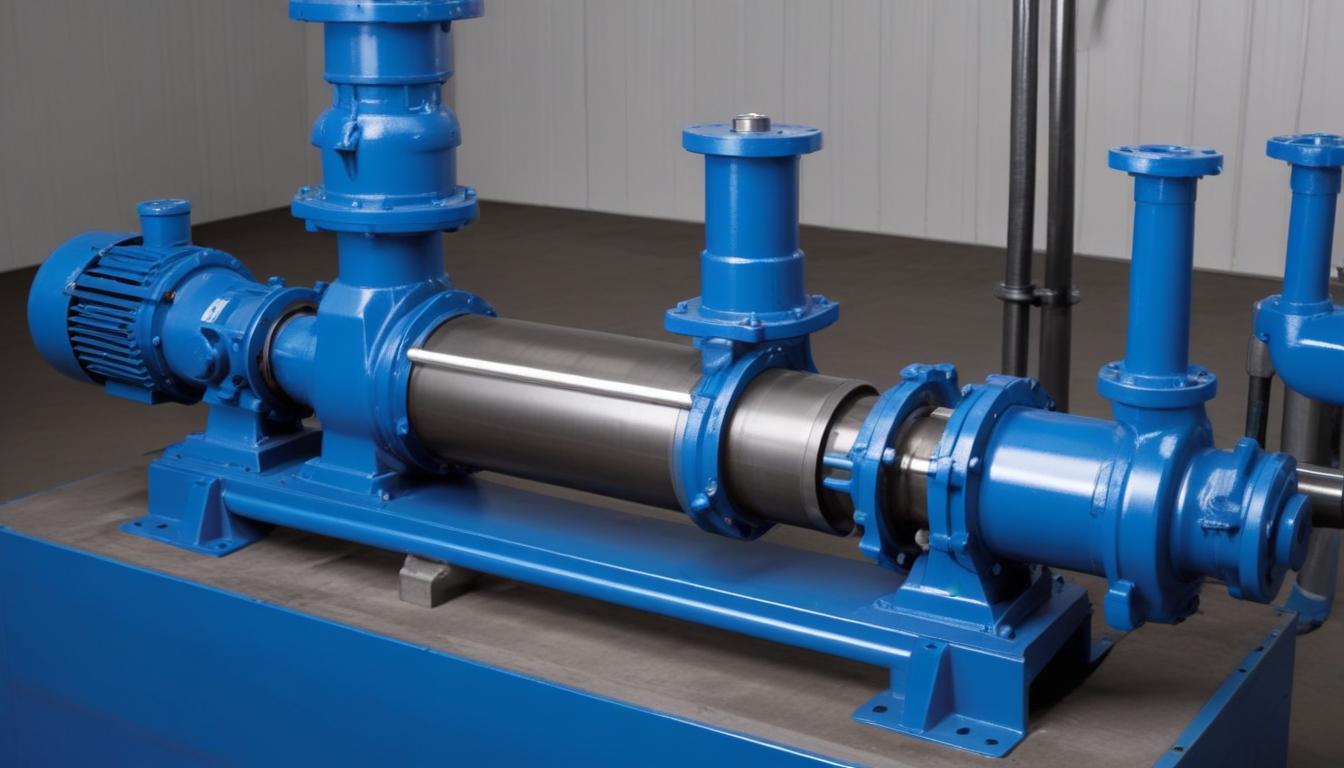
Monitoring and troubleshooting lubrication issues in progressive cavity pumps is a critical aspect of maintaining operational efficiency and minimizing downtime. Identifying lubrication-related problems early can prevent more significant failures and ensure smooth pump operation. Engineers and pump users should regularly monitor various parameters and be alert to signs that may indicate lubrication issues.
Key indicators of potential lubrication problems include:
- Temperature Fluctuations: An increase in the operating temperature of the pump may suggest inadequate lubrication, excessive friction, or degradation of the lubricant. Monitoring temperature can be done using thermocouples or infrared thermometers to ensure that temperatures remain within acceptable operational limits.
- Unusual Noises: Grinding, rattling, or any foreign noise coming from the pump may indicate insufficient lubrication or wear on internal components. Regular auditory inspections should be part of the maintenance routine to catch these signs promptly.
- Vibration Analysis: Excessive vibration in the pump can be a symptom of misalignment or lubrication failure. Vibration monitoring systems should be incorporated to detect unusual patterns that may indicate lubrication issues.
- Leakages: Leaks around the lubrication system can compromise the operational integrity of the pump and lead to insufficient lubrication levels. Regular checks for fluid leaks should be performed, and any signs of oil or grease accumulation should be addressed immediately.
- Oil Condition Monitoring: It is essential to analyze the lubrication fluid for signs of contamination, oxidation, or degradation. This can be accomplished through oil sampling analysis, which provides insights into the lubricant’s health and effectiveness.
When troubleshooting lubrication issues, it is vital to systematically approach the problem. The following steps can be taken:
- Identify the Symptoms: Gather data on the observed issues, such as temperature readings, noise levels, and any physical symptoms like leaks. This information is critical for a thorough diagnosis.
- Check Lubricant Levels: Verify that the lubricant is at the appropriate levels before proceeding. Low lubricant levels can lead to increased wear and potential pump failure.
- Examine Lubrication Lines and Fittings: Inspect hoses, seals, and fittings for wear, blockages, or damage. Ensure that lubricant can flow freely to all necessary components without obstruction.
- Replace Contaminated Lubricant: If oil condition tests reveal contamination or degradation, replace the lubricant with a fresh supply that meets the pump’s specifications.
- Assess Pump Operation Conditions: Review the operational parameters of the pump, including the viscosity of the lubricant, temperature ranges, and overall application suitability. Adjustments may be necessary if conditions exceed the pump’s designed limits.
- Implement Corrective Actions: Based on the analysis, take the necessary corrective measures to resolve any identified issues. This could involve adjustments, lubricant changes, or repairs to lubrication components.
By incorporating a proactive monitoring approach and effectively troubleshooting lubrication issues, maintenance teams can optimize the performance of progressive cavity pumps, safeguarding their reliability and extending their service life significantly. Regular monitoring not only prevents potential failures but also enhances overall system efficiency, creating a seamless operation that benefits both production and cost management.