How progressive cavity pumps contribute to pressure control
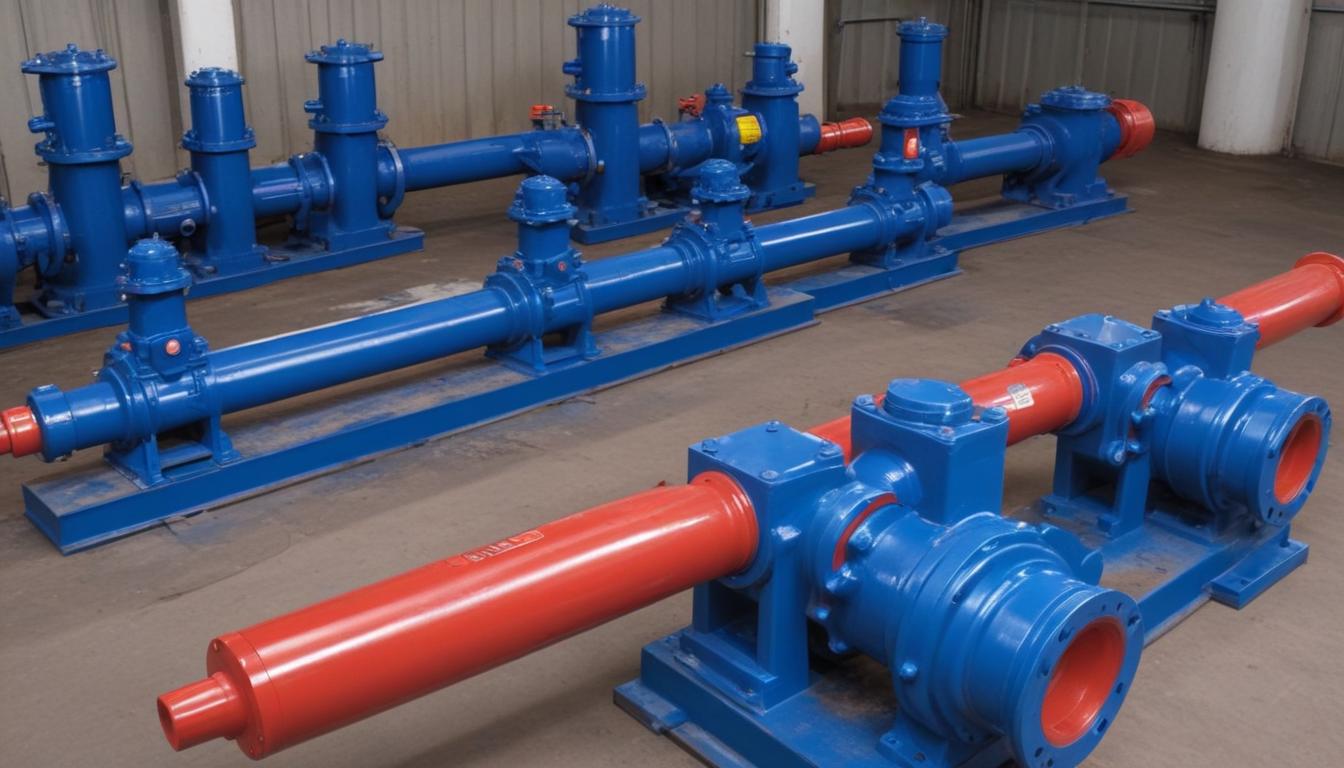
Progressive cavity pumps operate based on a unique design that allows for a consistent flow of fluid with minimal pulsation, making them a crucial component in various applications that require precise pressure control. The core mechanism consists of a helical rotor that rotates within a stator, creating a series of occlusions that effectively move the fluid from the inlet toward the discharge. This design ensures that the pump can handle both low and high viscosity fluids, offering versatility across different industries.
In addition to their fundamental design, the performance of progressive cavity pumps is influenced by several factors, including the rotor-stator geometry, material selection, and operating conditions. The contribution of these pumps to pressure stability is substantial, as they maintain a steady discharge pressure, which is essential for processes requiring accurate metering or transfer of liquids. The design minimizes shear forces, making them ideal for sensitive and viscous fluids such as slurries, polymers, and chemicals.
The operational principle of progressive cavity pumps allows them to self-prime and handle gases, which can significantly enhance efficiency in applications where entrained air is a concern. Their ability to maintain constant pressure even with varying flow rates makes them particularly valuable in industries such as wastewater treatment, food processing, and oil and gas extraction.
To summarize, the effectiveness of progressive cavity pumps in achieving reliable pressure control stems from their innovative design and capability to manage a wide range of fluid types and conditions. This makes them a preferred choice for engineers seeking consistent performance in demanding environments.
Applications of progressive cavity pumps
Progressive cavity pumps find applications across various sectors due to their adaptability and efficiency in ensuring effective pressure control. These pumps are prominently used in industries such as oil and gas, water treatment, food processing, and chemical manufacturing, where fluid dynamics play a crucial role in operational success. Their unique design allows them to handle a diverse range of materials, from low-viscosity liquids to high-viscosity slurries, making them indispensable in many workflows.
In the oil and gas industry, progressive cavity pumps are often utilized in drilling operations and production processes to transport crude oil and other hydrocarbons. Their ability to self-prime and manage solids within the fluid stream allows for minimized downtime and increased efficiency. For instance:
- Water Flooding: Used to inject water into oil reservoirs to enhance crude recovery.
- Enhanced Oil Recovery: They effectively transport fluids that can contain gas and particulate matter.
Within wastewater treatment, these pumps are essential for transferring sludge and other viscous materials. Their constant flow rate facilitates efficient aeration and sedimentation processes, contributing significantly to overall system reliability. The applications in this field include:
- Sludge Transfer: Managing the movement of waste materials from one treatment phase to another.
- Chemical Dosage: Ensuring accurate and consistent delivery of chemicals used in treatment processes.
In the food processing industry, progressive cavity pumps are used for pumping various food products, including syrups, sauces, and viscous pastes. Their ability to operate with minimal shear ensures that the quality and integrity of food products are maintained, and they are designed to comply with stringent health regulations, which makes them suitable for:
- Food Manufacturing: Involves the handling of ingredients without damaging sensitive components.
- Pasteurization: Efficiency in transporting liquids for thermal treatment processes.
The chemical manufacturing sector relies on progressive cavity pumps for metering and transferring aggressive chemicals, where precise pressure control is vital. They can accommodate varying liquid characteristics, making them ideal for:
- Batch Processing: Delivering exact quantities of chemicals during production runs.
- Continuous Flow Systems: Ensuring consistent fluid movement through pipelines.
In summary, the versatility of progressive cavity pumps across these industries showcases their valuable contribution to maintaining operational efficiency and achieving desired pressure control in various applications. Their ability to accommodate a range of fluids while ensuring low shear and pulsation marks them as a reliable choice for engineering professionals tackling complex fluid dynamics.
Benefits of pressure control with progressive cavity pumps
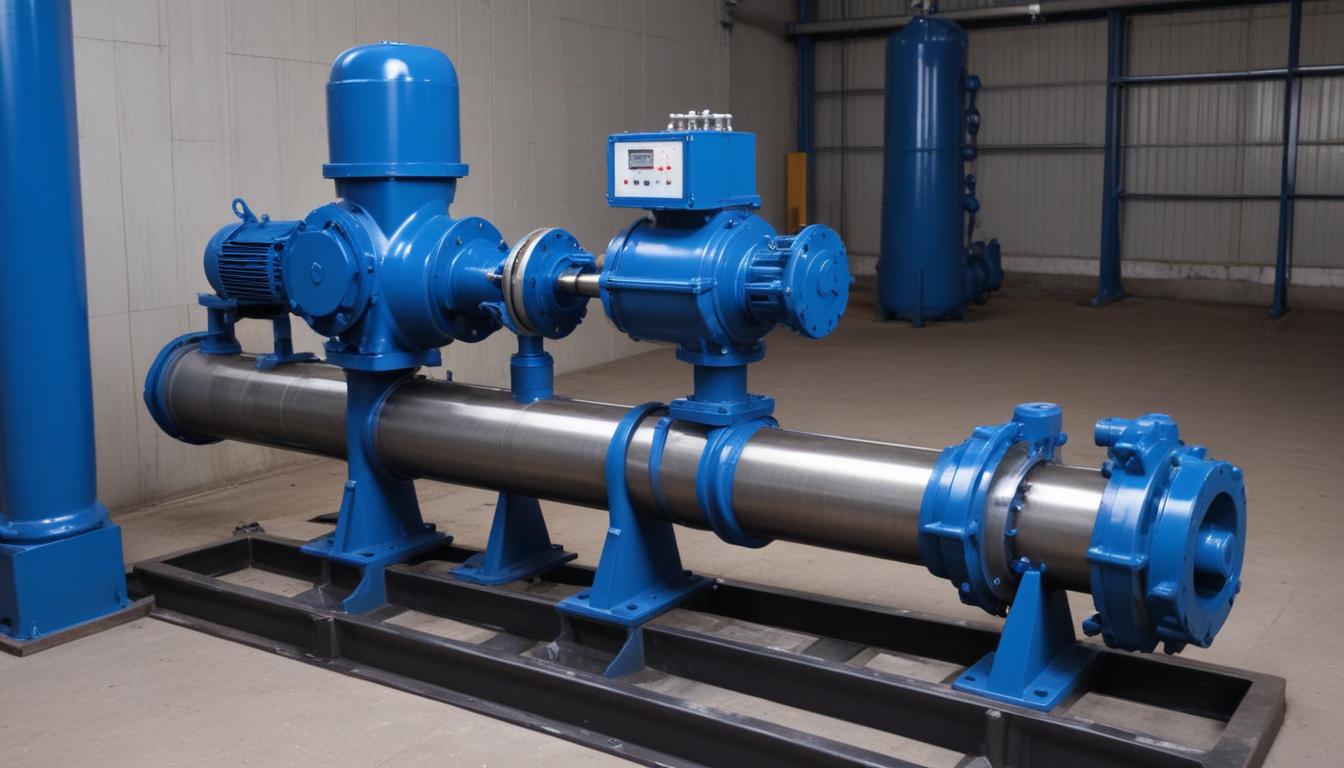
The benefits of utilizing progressive cavity pumps for pressure control are manifold, primarily due to their unique operational characteristics and design flexibility. One of the most significant advantages these pumps offer is their ability to deliver a constant flow rate, which is crucial in applications where precision is key. This consistency results in enhanced process stability and reduces the likelihood of fluctuations in pressure that could disrupt operations.
Furthermore, the self-priming capability of progressive cavity pumps ensures that they can operate effectively even in low-suction environments. This feature minimizes the risk of cavitation, which can lead to damage and inefficiency in pumping systems. The integration of this capability allows for reliable operation across a diverse range of conditions, thus contributing to overall system longevity and operational efficiency.
Another considerable benefit is the pump’s adaptability to various fluid viscosities, enabling pressure control across a wide spectrum of applications. Whether the task involves handling light fluids or thick slurries, these pumps can be tailored to meet the specific demands of each situation. Their design allows for the accommodation of solid content within the fluid, further enhancing their utility in challenging environments.
Moreover, progressive cavity pumps exhibit low shear characteristics, which is advantageous when dealing with sensitive materials. This protects the integrity of the fluids being processed, making them ideal for sectors such as food and pharmaceuticals, where maintaining product quality is paramount. The capacity to manage these delicate materials without additional degradation emphasizes their contribution to both product safety and operational efficiency.
Operational simplicity also plays a role in the benefits associated with progressive cavity pumps. The straightforward design leads to lower maintenance requirements compared to more complex pumping systems. This ease of maintenance further enhances uptime, as it reduces the frequency and duration of service interruptions. When coupled with proper monitoring and maintenance strategies, the efficiency of these pumps can be maximized, ensuring continuous pressure control during operation.
The implementation of these pumps also leads to energy efficiency improvements. By maintaining a steady flow and reducing the necessity for frequent adjustments in pressure settings, energy consumption is optimized, resulting in cost savings for operations. This is particularly important in industries where energy costs are a major concern, such as oil and gas, chemicals, and manufacturing.
In summary, the benefits of pressure control with progressive cavity pumps include enhanced process stability, self-priming capabilities, adaptability to various viscosities, low shear handling, simplified maintenance, and energy efficiency. These factors collectively underscore their contributions to improving overall system performance and reliability, making them essential tools in diverse industrial applications.
Maintenance considerations for optimal performance
To ensure optimal performance of progressive cavity pumps, regular maintenance considerations are vital. Proper upkeep not only extends the lifespan of the equipment but also enhances its efficiency and effectiveness in providing pressure control. Key maintenance practices include routine inspections, monitoring of operational parameters, and prompt addressing of any irregularities.
Routine inspections should focus on the following components:
- Seals and Gaskets: Check for wear and tear, as degraded seals can lead to leaks and loss of pressure.
- Rotor and Stator Condition: Inspect for signs of abrasion or damage, which can impede flow efficiency.
- Bearings and Shaft Alignment: Verify alignment and lubrication to prevent excessive friction and potential failure.
Monitoring operational parameters such as flow rate, pressure, and temperature is essential. Operators should establish baseline values for these metrics and be vigilant for any deviations that may indicate issues. Maintaining consistent performance ensures that progressive cavity pumps can reliably provide pressure control under varying conditions.
Regular maintenance intervals can be established based on the pump’s usage and application demands, typically encompassing:
- Visual Inspections: Weekly checks for leaks or unusual noises.
- Operational Monitoring: Daily logging of performance metrics.
- Comprehensive Service: Quarterly detailed checks, including the replacement of wear parts as needed.
Addressing irregularities quickly is crucial. If any performance metrics exhibit abnormal readings, engineers should conduct a thorough diagnostic to identify potential causes. Issues such as cavitation or overheating must be investigated as they can lead to significant downtimes and costly damages if left unattended. Additionally, proper lubrication is critical to minimize wear on moving parts, contributing to seamless operation.
Training personnel on the specific maintenance needs of progressive cavity pumps is equally important. Understanding the operational principles and characteristics of these pumps allows operators to execute effective maintenance strategies and recognize potential problems before they escalate.
In summary, adherence to a systematic maintenance regime is vital for achieving optimal performance and ensuring pressure control with progressive cavity pumps. By focusing on routine inspections, operational monitoring, and timely repairs, users can extend the life of their pumps and enhance their contribution to the overall efficiency of industrial processes.
Future trends in progressive cavity pump technology
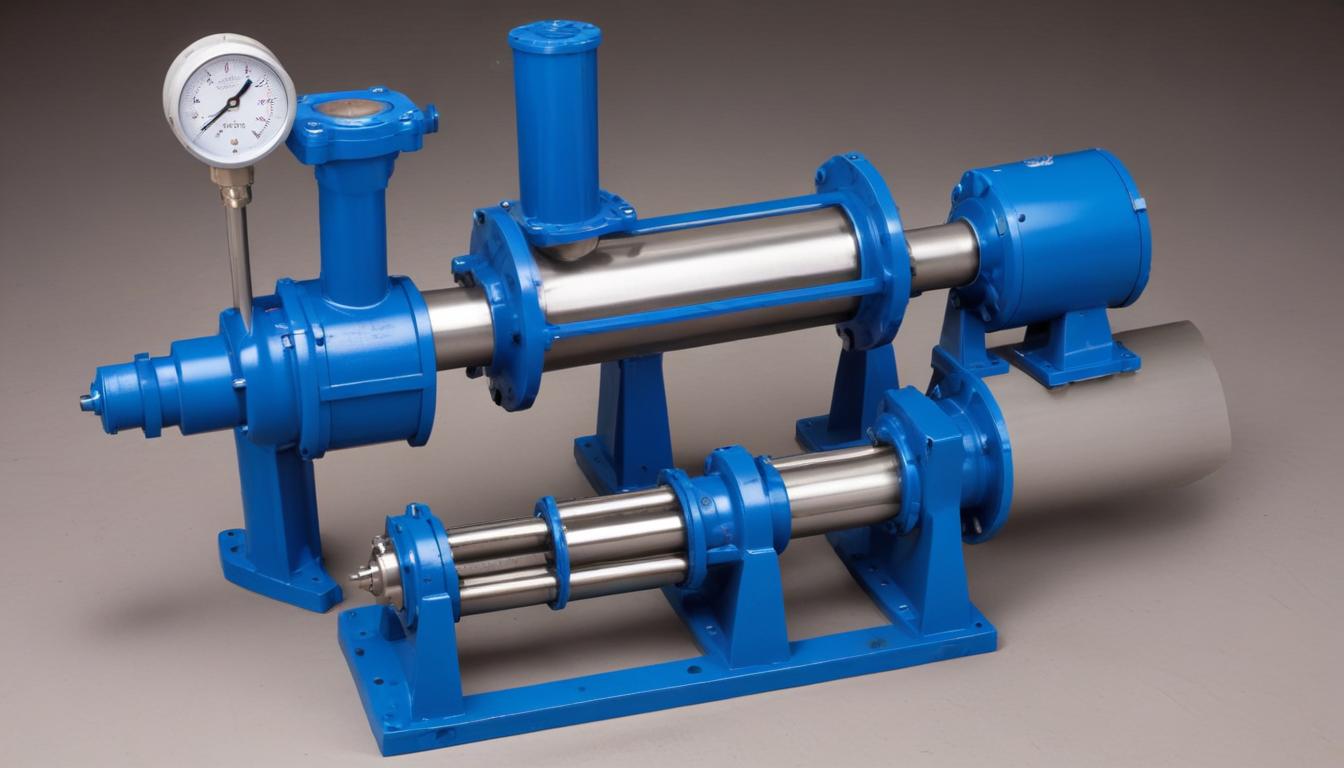
Emerging technologies and innovations in the realm of progressive cavity pumps are paving the way for enhanced functionality and efficiency, particularly in achieving optimal pressure control. As industries evolve and the demand for more sophisticated pumping solutions increases, several key trends are reshaping the landscape of pump technology.
One of the most noteworthy trends is the integration of smart technology into progressive cavity pumps. These advancements include the use of sensors and IoT (Internet of Things) capabilities that allow for real-time monitoring of pump performance metrics such as flow rate, pressure, and temperature. This data enables operators to make informed decisions regarding maintenance schedules, optimize operational parameters, and enhance the overall reliability of pumping systems. The ability to collect and analyze performance data contributes significantly to minimizing downtime and ensuring consistent pressure control.
Another trend gaining traction is the development of materials technology. Advances in material science are leading to the production of more durable and corrosion-resistant components, which are essential for handling aggressive fluids in chemical manufacturing and other demanding environments. The use of advanced materials reduces wear and tear, prolonging the lifespan of progressive cavity pumps and ensuring their continued contribution to effective fluid transport and pressure stability.
As sustainability becomes a focal point in various industries, the push for energy-efficient progressive cavity pumps is intensifying. Innovations aimed at minimizing energy consumption without compromising performance are receiving increased attention. These pumps are being designed to operate more efficiently under varying load conditions, ultimately leading to reduced operational costs and a lower environmental impact. In this regard, energy-saving features such as variable speed drives and optimized rotor-stator designs are contributing significantly to enhanced pressure control and operational sustainability.
The potential for 3D printing technology in the manufacturing of pump components is also an exciting development. This technology allows for rapid prototyping and customization of pump parts, enabling manufacturers to create more complex designs that optimize flow characteristics. The ability to produce tailored solutions enhances the effectiveness of progressive cavity pumps in specific applications that demand precision and adaptability, contributing to improved pressure control across diverse operational scenarios.
Finally, the growing emphasis on automation in industrial processes is influencing the adoption of advanced control systems for progressive cavity pumps. Automated systems can efficiently manage operational parameters and respond to changing conditions in real-time, ensuring sustained pressure control while reducing the need for manual intervention. This shift towards automation not only optimizes performance but also enhances the safety and reliability of industrial operations.
In conclusion, the future of progressive cavity pumps is characterized by technological advancements and innovations that focus on enhancing efficiency, durability, and operational effectiveness. Through smart technology, advanced materials, energy efficiency, 3D printing, and automation, these pumps will continue to make significant contributions to pressure control and operational excellence in various industries.