Pumps

Pumps

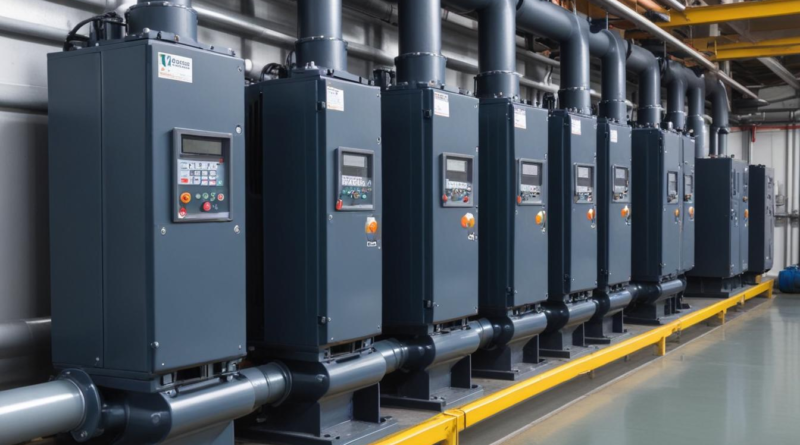
benefits of variable frequency drives for pumps

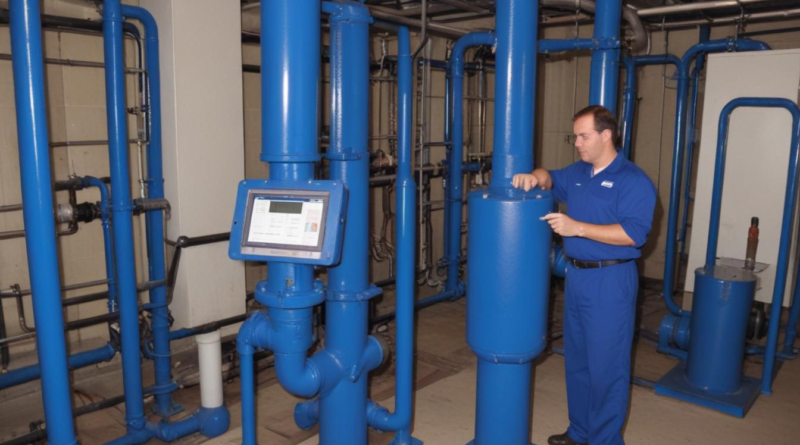
Variable frequency drives revolutionize pump operations by precisely adjusting motor speeds to meet real-time demands. This optimization enhances energy efficiency, lowers operational costs, extends equipment lifespan, and reduces environmental impacts. By integrating VFDs, pump systems achieve significant savings and support sustainable practices across diverse industrial and commercial applications.

Read More
Pumps

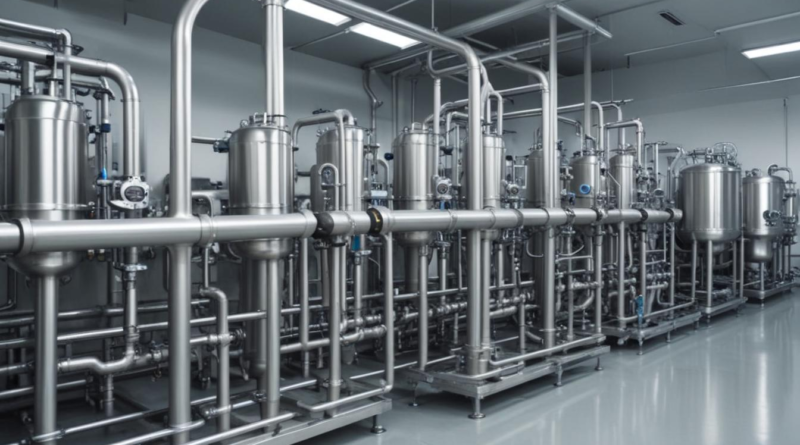
pumps in the pharmaceutical manufacturing

Selecting the right pump is critical in pharmaceutical manufacturing to ensure precision and reliability throughout production processes. Various pump types, including peristaltic, diaphragm, gear, centrifugal, and screw pumps, each offer unique advantages tailored to specific applications. Key factors such as fluid properties, flow rates, material compatibility, and regulatory compliance influence pump selection. Additionally, proper calibration and maintenance are essential for optimal performance and adherence to industry standards. Understanding these elements ensures efficient production and high-quality pharmaceutical products.

Read More
Pumps

pumps used in the cosmetic filling process

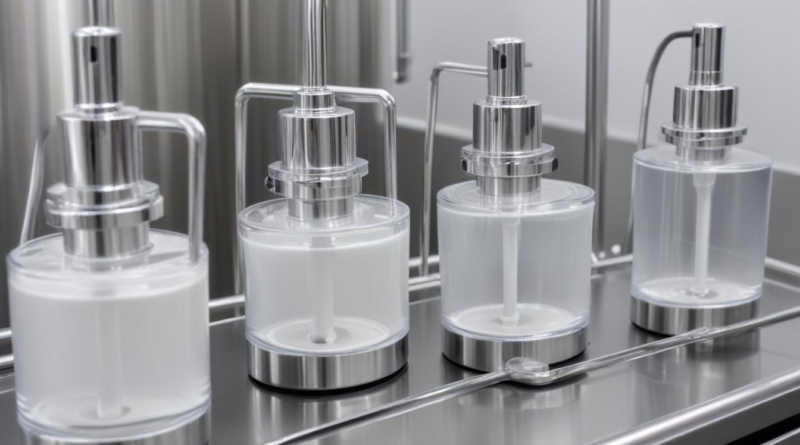
Selecting the right cosmetic filling pumps is essential for maintaining product quality and manufacturing efficiency. Various types—including piston, syringe, peristaltic, gear, and diaphragm pumps—offer distinct advantages tailored to different formulations and production needs. Factors such as product viscosity, precision requirements, production volume, and hygiene standards play a critical role in determining the optimal pump choice. Additionally, advancements like IoT integration and energy-efficient designs are revolutionizing the cosmetic manufacturing landscape, enhancing both performance and sustainability.

Read More
Pumps

how to perform pump system audits

Effective pump system audits ensure optimal fluid movement and system reliability. Understanding key components like pumps, motors, and valves, along with systematic planning and thorough inspections, enables the identification of inefficiencies and performance enhancements. Advanced data analysis and structured reporting support informed decision-making, driving continuous improvements and maintaining compliance with industry standards. This comprehensive approach not only prolongs equipment lifespan but also enhances overall operational excellence.

Read More
Pumps

the importance of pump seals

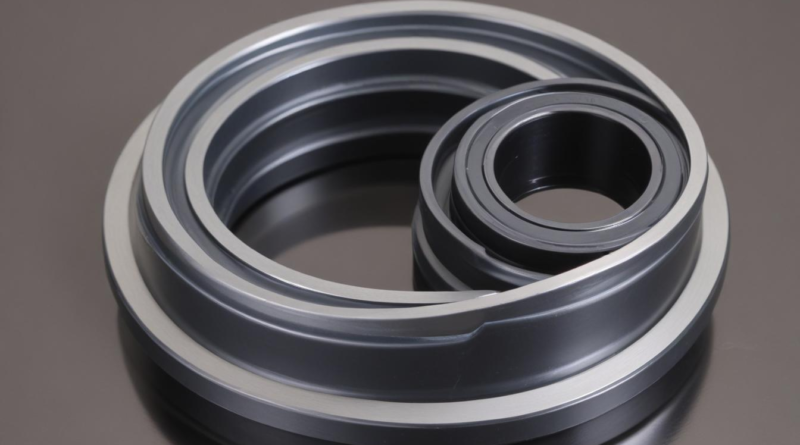
Pump seals are essential for maintaining the integrity and efficiency of pumping systems by preventing fluid leaks and sustaining necessary pressure levels. Available in various types such as mechanical seals, compression seals, and O-rings, each offers unique advantages tailored to specific applications and environmental conditions. Selecting the right seal involves considering factors like fluid characteristics, pressure, temperature, and shaft speed. Proper selection and maintenance of pump seals not only enhance equipment longevity and energy efficiency but also ensure environmental safety and reduce operational costs, highlighting their critical role in diverse industrial operations.

Read More
Pumps

how to ensure pump reliability

Maintaining pump reliability involves structured maintenance schedules, including regular inspections, effective lubrication, and proactive component replacement. Advanced condition monitoring techniques and proper installation practices ensure minimal downtime and extended equipment lifespan. Additionally, well-trained personnel are essential for sustaining consistent pump performance and operational efficiency.

Read More
Pumps

the role of pumps in industrial fluid handling

Industrial fluid pumps are available in diverse types, each engineered for specific functionalities to address varied industrial requirements. Selecting the appropriate pump ensures efficient fluid handling and system reliability. Critical factors include fluid properties, flow rate, pressure, temperature, material compatibility, and energy efficiency. These pumps are essential across multiple sectors, including chemical processing, oil and gas, food and beverage, pharmaceuticals, and power generation, where they enhance performance and sustainability in complex industrial operations.

Read More
Pumps

the role of pumps in water distribution systems

Pumps are critical to water distribution systems, ensuring consistent pressure and uninterrupted flow from treatment facilities to end-users. Various pump types, including centrifugal and submersible pumps, address challenges like elevation changes and long distances. Effective selection, sizing, and maintenance practices enhance system reliability and energy efficiency. Advancements in smart technology and energy-efficient designs are further optimizing the functionality and sustainability of modern water supply networks.

Read More
Pumps

how to calculate total dynamic head for pumps

Total Dynamic Head (TDH) is a pivotal concept in pump engineering, representing the total energy a pump must overcome to transport fluid from source to destination. Integrating static head, friction losses, and pressure head, TDH directly impacts pump selection and system efficiency. Accurate assessment ensures optimal pump performance, minimizes energy consumption, and prevents common operational issues. Understanding TDH components is essential for designing reliable and effective pumping systems across diverse applications.

Read More
Pumps

how to troubleshoot low pump flow

Low pump flow can result from blockages, misalignment, faulty seals, or electrical issues. Troubleshooting involves identifying debris, pipe corrosion, and seal integrity while ensuring proper pressure and electrical stability. Regular maintenance and monitoring are essential for optimal pump performance and system reliability, preventing inefficiencies and extending the lifespan of the pumping system.

Read More