
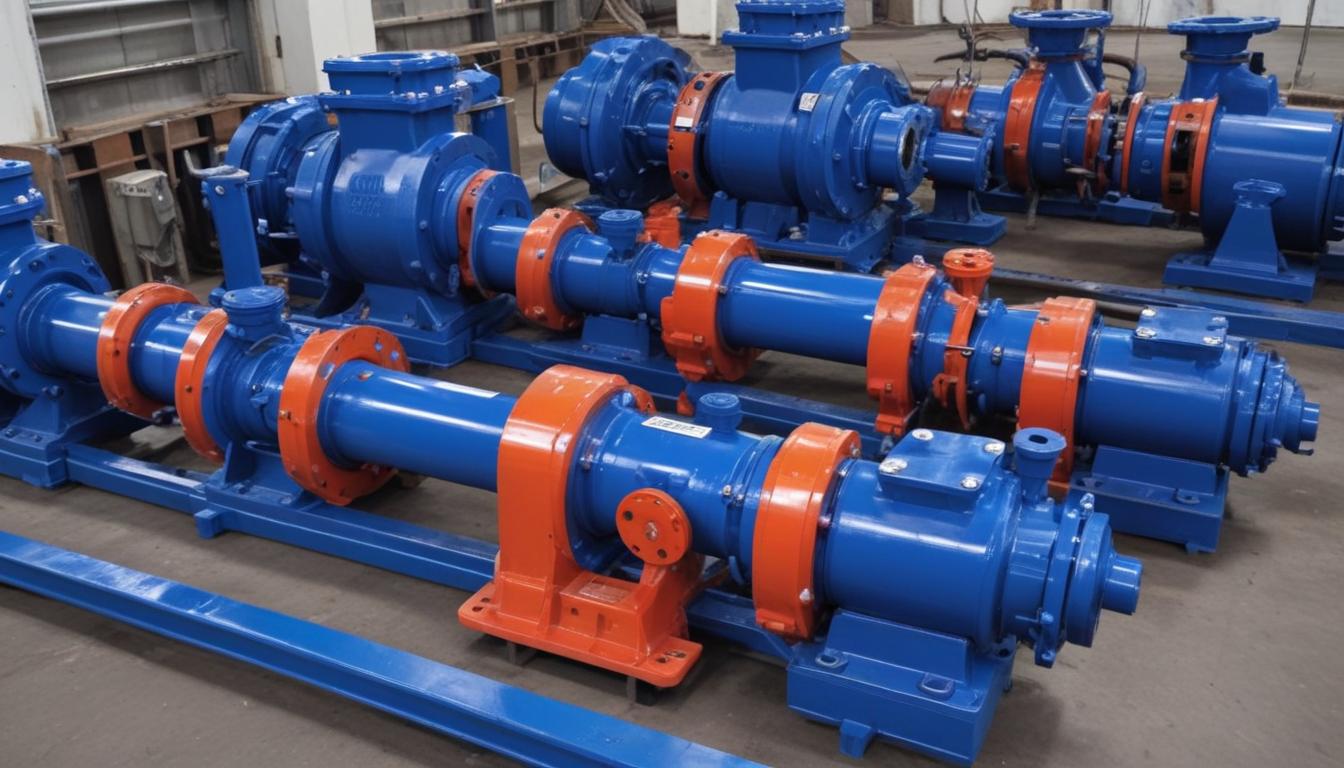
The future of progressive cavity pumps in smart industries
The design and functionality of progressive cavity pumps have undergone significant evolution since their inception, responding to the increasing demands of smart industries. Initially developed in the 1930s, these pumps were engineered to handle challenging fluids in various applications, providing a reliable method for transferring viscous and shear-sensitive substances. Over the decades, a multitude of improvements has been made to enhance their efficiency, durability, and adaptability.
One of the notable advancements in the evolution of progressive cavity pumps was the introduction of advanced materials, which improved resistance to wear and corrosion. This shift has allowed pumps to operate effectively in abrasive environments such as wastewater treatment and mining operations. Moreover, manufacturers have meticulously optimized rotor and stator geometries, resulting in superior volumetric efficiency and reduced energy consumption.
In recent years, the integration of smart technologies within progressive cavity pumps has not only expanded their operational capabilities but also aligned them with the demands of the modern industrial landscape. The incorporation of sensors and digital monitoring systems has facilitated real-time data collection, enabling proactive maintenance and performance optimization. As industries gravitate towards automation, these pumps are set to play a pivotal role in fluid handling operations, significantly improving process reliability and reducing downtime.
| Key Evolutionary Milestones | Impact on Performance |
|---|---|
| Advanced Material Utilization | Improved wear and corrosion resistance |
| Enhanced Rotor and Stator Design | Increased volumetric efficiency |
| Integration of Smart Technologies | Real-time performance monitoring |
As the industry continues to evolve, progressive cavity pumps will undoubtedly play an integral role in shaping the future of fluid handling in smart industries. With ongoing innovations and enhancements, these pumps will need to adapt to the new requirements and challenges presented in a rapidly changing technological landscape.
Advancements in smart industry technology
The landscape of smart industry technology is characterized by rapid advancements that are fundamentally transforming how industries operate. The integration of digital solutions, artificial intelligence (AI), and data analytics is enabling unprecedented levels of efficiency, precision, and automation across manufacturing processes. These developments directly influence the capabilities and functionality of progressive cavity pumps, ensuring they remain relevant and effective in meeting the evolving demands of the market.
One of the critical advancements is the deployment of Industry 4.0 principles, which emphasize the use of cyber-physical systems, the Internet of Things (IoT), and cloud computing. As mechanisms of automation become integral to fluid handling systems, progressive cavity pumps will increasingly incorporate advanced monitoring and control systems that facilitate seamless communication within interconnected environments. This interconnectedness promotes better resource management and optimizes workflow efficiency.
- Predictive Maintenance: Through the use of sensors embedded within pumps, real-time data about performance metrics such as flow rate, pressure, and wear can be monitored continuously. Advanced analytics are then applied to predict failures before they occur, significantly reducing maintenance costs and unplanned downtime.
- Automated Control Systems: By utilizing AI and machine learning algorithms, these pumps can automatically adjust their operation based on current conditions and historical performance data. This adaptability not only enhances overall system efficiency but also ensures optimal handling of varied fluid characteristics.
- Remote Monitoring: Operators can oversee pump performance from remote locations, allowing for quicker response times to potential issues. This capability enables greater flexibility and ensures that users can maintain operational continuity even in challenging circumstances.
Moreover, the convergence of smart technologies into the operational framework of progressive cavity pumps lends itself to enhanced data collection and analysis capabilities. This data is crucial for continuous improvement processes, allowing operators to refine their operations and processes based on comprehensive insights gathered from real-time performance evaluations.
As industrial demands grow increasingly complex, the advancements in smart industry technology are set to drive the development of progressive cavity pumps that are capable of meeting future challenges with unequaled performance and efficiency. In this competitive landscape, the ongoing integration of innovative technologies will ultimately determine the future trajectory of pump design and application, ensuring that manufacturers can depend on these pumps to handle increasingly diverse and demanding fluid dynamics.
Integration of IoT with progressive cavity pumps
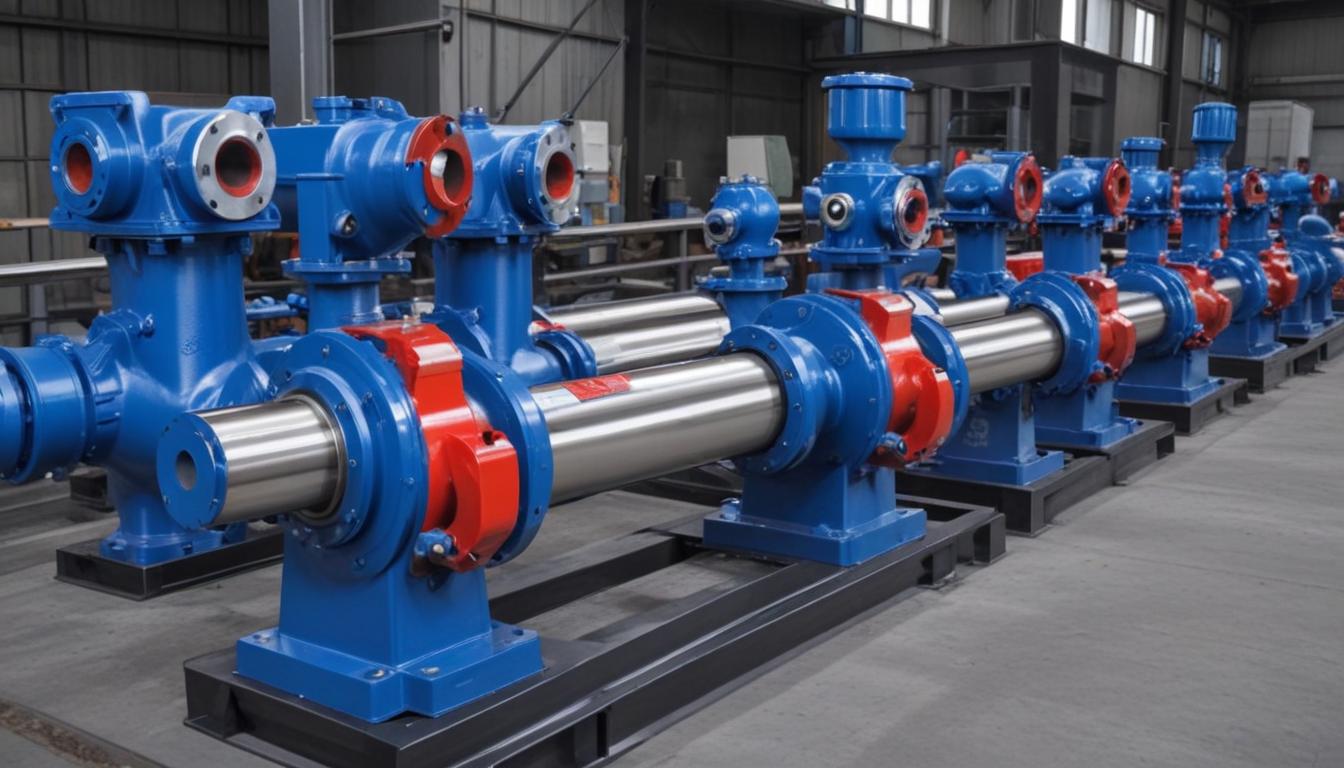
The integration of the Internet of Things (IoT) with progressive cavity pumps marks a transformative phase in their operational capabilities, bridging the gap between traditional mechanics and modern digital interfaces. This synergy not only enhances pump functionality but also revolutionizes how fluid handling processes are monitored and controlled, making them more efficient and responsive to real-time conditions.
IoT enables progressive cavity pumps to become an integral part of a broader industrial ecosystem characterized by connectivity and data exchange. By embedding smart sensors within the pump system, operators can collect extensive data on various operational parameters such as pressure, temperature, flow rates, and vibration levels. This data serves as the foundation for achieving enhanced performance and reliability:
- Real-time Monitoring: Continuous monitoring allows for immediate feedback on the operational status of the pump, helping to identify potential issues before they escalate into more significant problems. This proactive approach is vital for maintaining the integrity of fluid handling systems.
- Enhanced Efficiency: IoT-enabled pumps can adjust their operational settings automatically by analyzing real-time data. For instance, if a change in fluid properties is detected, the pump can modify its speed or pressure settings accordingly, optimizing energy consumption and improving overall efficiency.
- Data Analytics: The vast amounts of data collected can be analyzed to derive actionable insights. Through machine learning algorithms, trends and patterns in pump performance can be identified, leading to improved fluid management strategies and informed decision-making processes.
Furthermore, the convergence of IoT technologies extends beyond monitoring and efficiency improvements. It also fosters improved communication between different components of the production system. By utilizing cloud-based platforms, data from progressive cavity pumps can be integrated with other equipment data, enhancing operational visibility and allowing for better resource allocation across the plant.
Automation capabilities powered by IoT facilitate a more adaptive approach to managing fluid dynamics, essential for industries facing variable operational demands. This adaptability is crucial in sectors such as oil and gas, food and beverage, and wastewater treatment, where the characteristics of fluids may change unexpectedly. With the implementation of AI algorithms and real-time data feedback, pumps can respond to these variances instantaneously without manual intervention.
The integration of IoT with progressive cavity pumps not only supports a paradigm shift towards smarter industrial operations but also enhances the overall sustainability of processing methods. By optimizing energy consumption and minimizing resource wastage, manufacturers can achieve significant cost savings while contributing to environmental stewardship.
In the context of smart industries, embracing IoT technologies is imperative for companies aiming to stay competitive in a rapidly evolving marketplace. As advancements in connectivity continue to unfold, the role of progressive cavity pumps will likely expand, positioning them as key players in the automation landscape of the future.
Benefits of automation in fluid handling
The automation of fluid handling processes brings a multitude of benefits, significantly enhancing the reliability, efficiency, and overall performance of progressive cavity pumps. By leveraging advanced technologies, industries can transform their operations to meet the growing demands of modern manufacturing environments. Here are the primary advantages associated with automation:
- Increased Efficiency: Automated systems can streamline the operations of progressive cavity pumps by optimizing the flow rates and pressure settings in real-time. This dynamic adjustment minimizes energy waste and maximizes the effectiveness of fluid transmission, especially when handling variable fluid properties.
- Consistent Quality Control: Automation helps maintain consistent standards in production by reducing the variability in fluid handling. By employing automated monitoring systems, operators can ensure that the pumps are functioning within optimal parameters, resulting in uniform product quality.
- Reduced Labor Costs: The implementation of automated fluid handling systems lowers the need for manual intervention, thus cutting down on labor costs. This not only allows human resources to focus on more complex tasks but also minimizes the risk of human error, leading to more reliable operations.
Automation in conjunction with the integration of IoT technology enhances operational visibility, allowing for better decision-making. The capability to collect and analyze data from progressive cavity pumps in real-time facilitates quick responses to changing conditions and potential issues. This capability contributes to a reduction in downtime and maintenance costs, ultimately leading to increased productivity and profitability.
Predictive maintenance is another significant advantage of automation in fluid handling. Advanced algorithms that analyze data trends enable maintenance teams to anticipate and address issues before they escalate into failures. This proactive approach ensures that progressive cavity pumps maintain optimal performance levels over time, reducing unplanned outages and extending the lifespan of equipment.
The effects of automation also extend into the realms of safety and environmental compliance. Automated systems can be programmed to follow stringent safety protocols, decreasing the likelihood of accidents and product contamination. Furthermore, with enhanced monitoring capabilities, companies can ensure that they meet environmental regulations by managing waste and emissions effectively.
As industries gear up for the future, the adoption of automation technology in fluid handling is set to redefine operational paradigms. With progressive cavity pumps leading the charge, smart industries will benefit from improved operational efficiencies, lower costs, and enhanced safety standards, ensuring a sustainable and productive manufacturing environment.
Future trends and challenges in pump technology
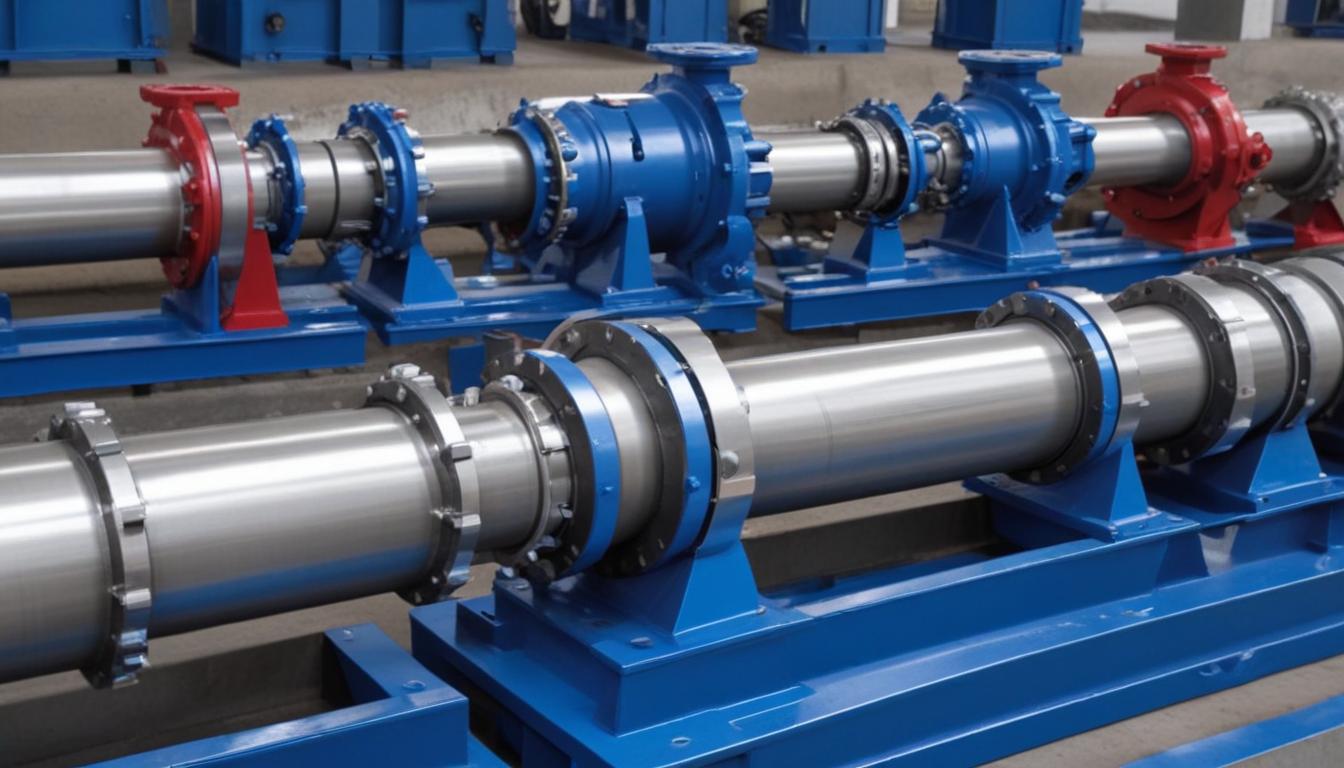
The future of pump technology is poised to witness a myriad of trends and challenges that will shape the operational landscape for progressive cavity pumps in smart industries. As these industries evolve, the demands placed on pump systems are becoming increasingly complex, necessitating advanced solutions that integrate seamlessly into automated environments.
One prominent trend is the push towards greater sustainability in fluid handling processes. As industries aim to reduce their environmental footprint, progressive cavity pumps will need to employ innovative designs and materials that enhance energy efficiency and minimize waste. Emphasis will be placed on the development of pumps that utilize less energy during operation while maintaining high performance levels, directly influencing operational costs.
Additionally, the advancement of smart technologies will continue to introduce new functionalities into pump systems. The incorporation of predictive analytics and machine learning capabilities will allow for sophisticated operational adjustments in response to changing conditions, such as variations in fluid viscosity or flow demands. This adaptive functionality is essential for sustaining efficiency in diverse applications, particularly in environments where the fluid characteristics are unpredictable.
Another critical aspect of future trends will be the enhancement of data-driven decision making. As the volume of data generated by progressive cavity pumps increases, effective data management strategies will become imperative. The ability to harness this data for insights into pump performance, maintenance needs, and overall system efficiency will be vital for operators seeking to optimize fluid handling processes. This trend is indicative of a broader shift towards employing smart, data-centric solutions in industrial applications.
Despite these advancements, challenges persist in the realm of pump technology. One significant challenge lies in ensuring the compatibility of new technologies with existing systems. As legacy systems remain prevalent in many industries, the integration of cutting-edge features with older equipment may require innovative engineering solutions. Striking the right balance between modern technology and existing infrastructure will be crucial for achieving optimal performance.
Moreover, the ongoing development of cybersecurity measures is paramount, as progressive cavity pumps are increasingly connected to networks that could be vulnerable to cyber threats. Protecting sensitive operational data and ensuring the integrity of automated systems will be a focal point as industrial sectors become more reliant on interconnected solutions.
The future landscape of pump technology will undoubtedly be influenced by these evolving trends and the challenges they present. Stakeholders in the industry must anticipate these changes and invest in the necessary technologies and strategies to ensure that progressive cavity pumps remain at the forefront of fluid handling solutions within smart industries.
