
How digital technologies are transforming progressive cavity pumps
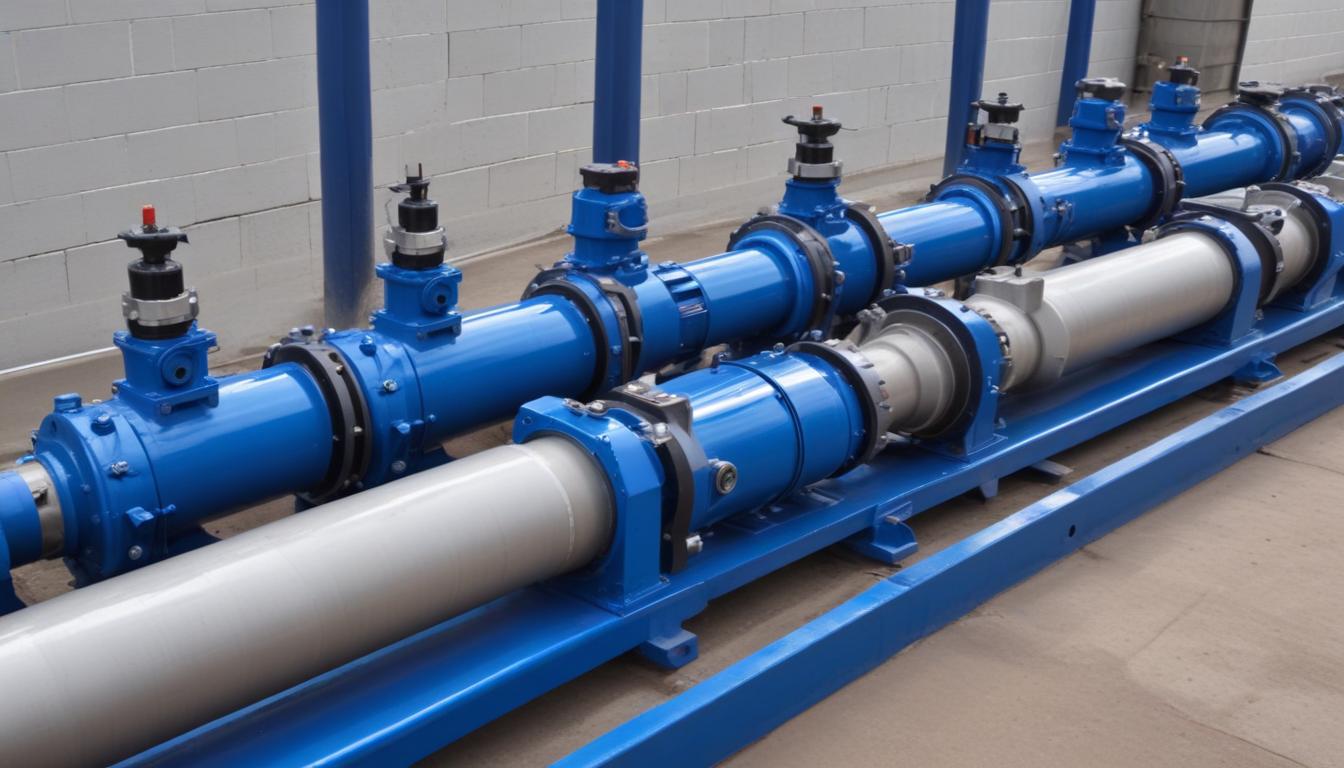
Progressive cavity pumps are a type of positive displacement pump widely recognized for their ability to handle a variety of fluids, including those that are viscous, shear-sensitive, or contain solid particles. These pumps operate using a helical rotor rotating within a stator, which creates a series of sealed cavities that transport the fluid as the rotor turns. The unique design allows for consistent and smooth flow, making progressive cavity pumps ideal for applications in industries such as wastewater treatment, food processing, and oil & gas. Digital technologies have begun to enhance the functionality of these pumps, driving a transformation in efficiency and operational capabilities.
The ability to manage complex fluids with varying compositions means these pumps require reliable monitoring and control systems. This is where integrating digital technologies comes into play. Advanced sensors and telemetry can be employed to track real-time data on pump performance, including flow rate, pressure, and temperature. Enhancing progressive cavity pumps with IoT-enabled devices allows for precision in managing operational parameters, thus improving overall process efficiency.
Key features of progressive cavity pumps include:
- Versatility: Capable of handling a range of fluids from thin to thick, with particles or without.
- Continuous flow: Provides a uniform flow rate, essential for many industrial processes.
- Self-Priming: Can draw fluid into the pump without the need for external assistance.
- Low Pulsation: Reduces pressure fluctuations, which can be critical in certain applications.
As the industry moves towards incorporating more digital technologies, the traditional mechanical aspects of progressive cavity pumps are being enhanced with data-driven insights. This transformation not only optimizes performance but also extends the lifespan of the pump by minimizing wear and tear through better operational practices. The synergy between mechanical design and digital innovation is setting a new standard in pump technology, making it crucial for engineers and pump users to understand these advancements.
The Role of Digital Technologies
The integration of digital technologies into the operational framework of progressive cavity pumps marks a pivotal transformation in the way these systems are monitored and controlled. This shift is fundamentally altering the landscape of pump management, empowering engineers and users with tools that enhance operational oversight and decision-making processes. By leveraging technologies such as IoT devices, machine learning algorithms, and advanced data analytics, the potential for optimizing pump performance is becoming increasingly realized.
One key aspect of this digital transformation is the implementation of smart sensors. These sensors are capable of gathering real-time data on a wide range of operational parameters such as:
| Parameter | Importance |
|---|---|
| Flow Rate | Ensures the pump operates within specified limits for optimal performance. |
| Pressure | Critical for preventing cavitation and ensuring the pump’s longevity. |
| Temperature | Affects viscosity and flow characteristics, impacting overall efficiency. |
| Vibration | Detects imbalance or wear, which can lead to mechanical failure if unmonitored. |
Equipped with these smart sensors, progressive cavity pumps can seamlessly transmit data to centralized monitoring systems. This enables operators to analyze performance trends in real time and make informed decisions quickly. Additionally, the collected data can be utilized for predictive analytics, allowing for proactive maintenance schedules rather than reactive fixes, ultimately reducing downtime and operational costs.
Furthermore, the role of cloud computing in pump technology serves as a catalyst for enhanced data processing and storage capabilities. By utilizing cloud platforms, operators can access historical data on pump performance from various locations, facilitating better strategic planning and resource allocation. This capability is essential for industries that rely heavily on uptime and efficiency, such as chemical manufacturing and food production.
Digital technologies are not only transforming the operational monitoring of progressive cavity pumps but are also influencing the design and functionality of the pumps themselves. With insights gained from extensive data analysis, manufacturers can optimize the design of rotors and stators, leading to increased energy efficiency and improved fluid handling characteristics.
As we advance further into this digital era, the potential for progressive cavity pumps to become integral components in automated and autonomous systems grows exponentially. Whether in a factory, a wastewater treatment plant, or an oil rig, the synergy between traditional pump mechanics and cutting-edge technologies is paving the way for unprecedented advancements in this essential industry.
Enhancements in Efficiency and Performance
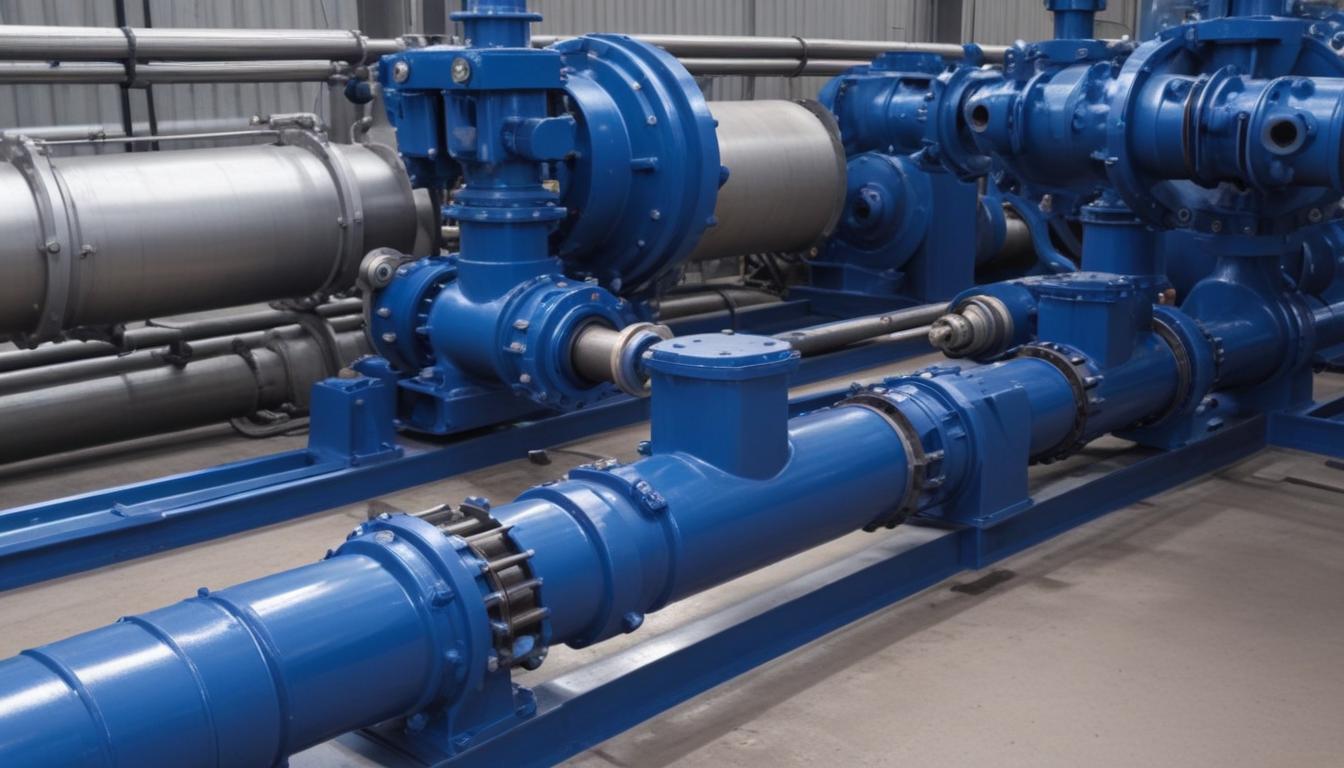
Enhancements in the efficiency and performance of progressive cavity pumps are being driven largely by the integration of digital technologies. As these pumps are utilized across various industries, including wastewater treatment, pharmaceuticals, and food processing, the demand for more reliable and optimized performance has become paramount. By leveraging technological advancements, operators can achieve significant improvements in several key areas: energy consumption, fluid transfer rates, and operational reliability.
One important aspect of enhancing pump efficiency involves the implementation of variable frequency drives (VFDs). VFDs adjust the speed of the motor based on the pump’s operational requirements, which leads to:
- Energy Savings: By running the pump only as fast as is necessary, VFDs can significantly reduce energy consumption, thereby lowering operational costs.
- Improved Control: Operators can fine-tune pump speeds to match the fluid properties and desired flow rates, which increases process efficiency.
- Extended Equipment Life: Reduced wear and tear on pump components when operating at optimized speeds increases the overall lifespan of the equipment.
Additionally, the incorporation of advanced monitoring systems provides real-time insights into pump performance. This includes predictive analytics that utilize historical and current operational data to forecast maintenance needs. The benefits include:
- Reduced Unscheduled Downtime: By predicting failures before they occur, operations can be planned around maintenance schedules, minimizing disruptions.
- Enhanced Performance Tracking: Continuous monitoring allows for immediate adjustments to be made if performance deviates from set parameters.
The design of progressive cavity pumps is also being optimized through the use of computer-aided design (CAD) and computational fluid dynamics (CFD) simulations. These technologies allow engineers to model and analyze fluid flow within the pump more accurately. Benefits include:
- Improved Hydraulic Efficiency: Fine-tuning the geometries of rotors and stators can lead to a more streamlined flow path, reducing energy losses.
- Customization: Digital tools enable the rapid prototyping of new designs tailored to specific fluid characteristics or operational requirements.
Moreover, as industry standards evolve, the integration of smart technologies is paving the way for even greater enhancements. These technologies may include artificial intelligence (AI) that optimizes processing operations by analyzing vast amounts of data to provide actionable insights. Companies that adopt these innovations are likely to see:
- Increased Competitive Advantage: Enhanced operational efficiencies can lead to lower costs and faster response times, setting companies apart in a competitive market.
- Sustainability Goals: optimized energy consumption supports corporate sustainability initiatives, reducing the carbon footprint associated with fluid transfer processes.
The transformation facilitated by digital technologies extends beyond performance improvements. It fundamentally changes how engineers approach the design, operation, and maintenance of progressive cavity pumps. Understanding these advancements is crucial for engineers and pump users as they navigate the evolving landscape of pump technology.
Real-Time Monitoring and Predictive Maintenance
The integration of digital technologies into the operation of progressive cavity pumps has revolutionized the approach to real-time monitoring and predictive maintenance. This shift not only enhances operational efficiency but also promotes a proactive maintenance culture that can significantly reduce costs associated with downtime and emergency repairs. With the implementation of real-time data monitoring systems, operators can gain insights into various performance parameters of the pumps, ensuring that any deviations from normal operating conditions are promptly addressed.
Through the deployment of IOT-enabled sensors, critical data such as flow rate, pressure, temperature, and vibration can be continuously monitored. This data collection allows for immediate analysis and facilitates rapid decision-making. For example, if a sensor detects a drop in flow rate, it can trigger alerts that prompt operators to investigate potential blockages or mechanical issues before they escalate into severe problems.
A major benefit of this technology is the application of predictive maintenance strategies, which leverage historical and real-time data to anticipate equipment failures. By analyzing trends and patterns within the operational data, predictive algorithms can forecast when maintenance should be performed, shifting the maintenance approach from reactive to proactive. The advantages of predictive maintenance include:
- Minimized Downtime: Planning maintenance activities based on predicted failure, rather than waiting for breakdowns, leads to less unplanned downtime.
- Cost Savings: Maintaining equipment just before it fails rather than after can significantly reduce repair costs and extend the life of the pump.
- Resource Optimization: Maintenance teams can allocate resources more efficiently by planning activities ahead of time.
Moreover, the utilization of cloud computing enhances the capabilities of real-time monitoring systems. By storing and processing data in the cloud, operators can access performance reports and analytics from remote locations, enabling them to manage pump operations flexibly. This facilitates strategic decisions regarding operational workflows and resource management across multiple facilities, ensuring consistency and reliability in pump performance.
Additionally, the insights gained from data analytics can feed back into the design process for future pump iterations. Manufacturers, armed with detailed performance data, can make informed decisions about the composition of materials, the geometry of rotors and stators, and other design factors that influence efficiency. This continuous feedback loop enhances the overall reliability of progressive cavity pumps and fosters innovation within the industry.
Furthermore, advancements in machine learning algorithms are enhancing the predictive capabilities of monitoring systems. These algorithms are able to learn from past performance data, refining their predictions for maintenance needs and equipment performance. As a machine learning model iterates on historical events, the accuracy of its predictive maintenance recommendations improves, leading to less downtime and enhanced operational continuity.
As progressive cavity pumps become increasingly integrated with digital technologies, the management of these essential pieces of equipment is being transformed. The evolution towards real-time monitoring and predictive maintenance not only boosts operational efficiency but also supports a new paradigm of sustainability within pumping operations, ensuring that plants can operate at peak efficiency while minimizing their environmental impact.
Future Trends and Innovations in Pump Technology
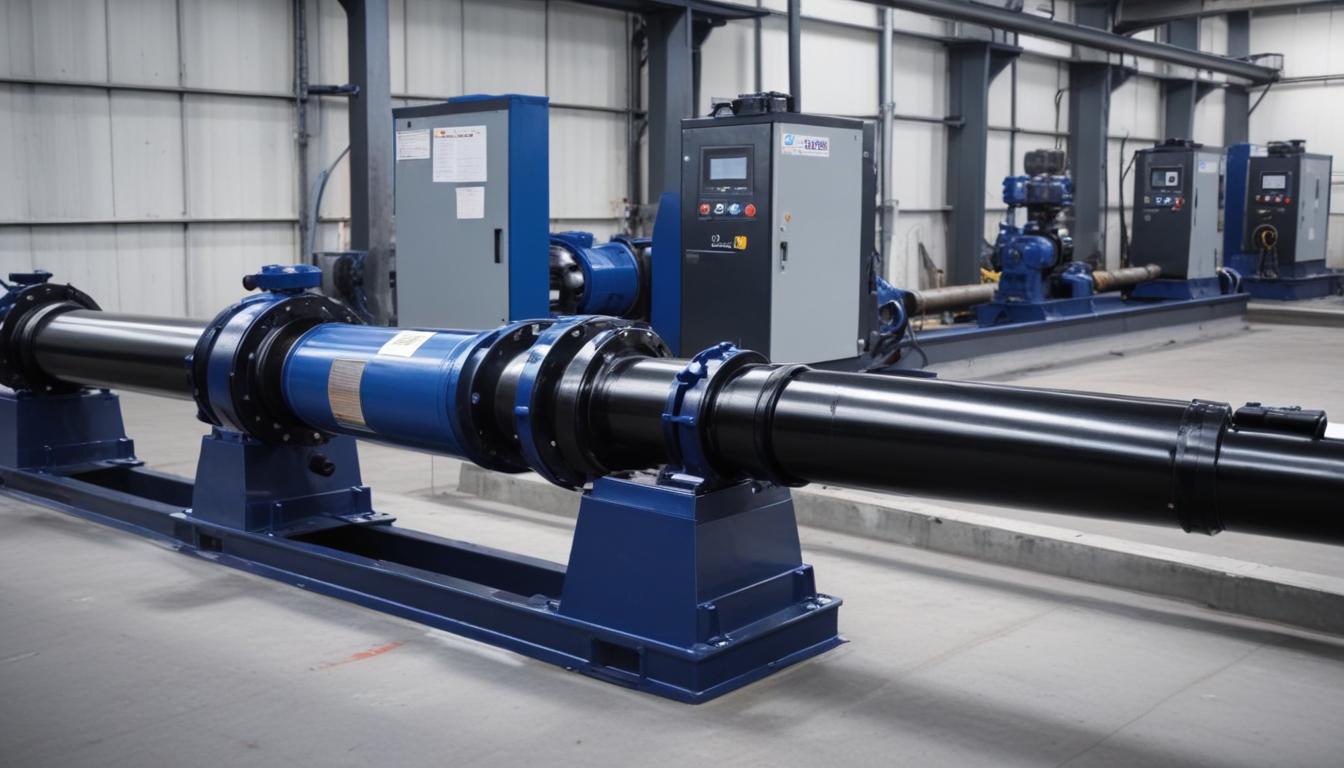
In the realm of progressive cavity pumps, the horizon of future trends and innovations is broad and promising. The continuous evolution of digital technologies is set to revolutionize the operational capabilities of these essential devices, thereby enhancing both functionality and user experience. With advancements in automation, artificial intelligence (AI), and machine learning, the future of progressive cavity pumps will increasingly lean towards seamless integration into automated systems, allowing for an unprecedented level of efficiency and adaptability.
One key trend is the adoption of advanced automation systems. These systems are designed to facilitate autonomous operations, where progressive cavity pumps can self-adjust based on real-time fluid characteristics and system requirements. This capability enables enhanced responsiveness to varying operational conditions, improving fluid handling and reducing the risk of operational disruptions. The integration of automation is expected to include:
- Smart Controls: Utilizing real-time data from sensors to make immediate adjustments in operational parameters.
- Machine Learning Algorithms: Implementing AI to analyze performance data, predict optimal operating conditions, and suggest adjustments for peak efficiency.
- Remote Operation: Allowing operators to manage pump settings from a distance, which is crucial for facilities with multiple pump units or remote locations.
Moreover, the emergence of sustainable practices in pump technology reflects a growing emphasis on minimizing environmental impact. Future innovations are expected to focus on enhancing energy efficiency and reducing emissions associated with fluid transfer processes. By incorporating more efficient designs and materials, progressive cavity pumps can contribute to sustainability goals set by companies across various industries. This can lead to:
- Lower Energy Consumption: Utilizing more efficient motor drives and streamlined pump designs can significantly reduce the energy required for operation.
- Integration with Renewable Energy Sources: Pump systems that are compatible with solar or wind energy could decrease reliance on traditional power sources.
Another significant trend is the improvement of data analytics capabilities. As more data is collected from pump operations, sophisticated analytics platforms will emerge, enabling deeper insights into performance metrics. These insights can lead to enhanced design improvements and operational strategies. For instance, data analytics can pinpoint:
- Performance Trends: Identifying patterns in pump efficiency over time, allowing for targeted interventions.
- Failure Prediction Models: Utilizing historical data to predict future failures, decreasing reaction time in maintenance.
Additionally, the concept of digital twins is gaining traction in the engineering of progressive cavity pumps. A digital twin is a virtual representation of a physical pump that can be monitored and manipulated in real time. This technology allows engineers to model changes and predict the impact of different scenarios without disruption to actual operations. As a result, the advantages include:
- Enhanced Testing: Simulating performance under various conditions for better design validation.
- Future-Proofing Designs: Assessing how advancements in materials or configurations might impact long-term performance.
The landscape of progressive cavity pumps is undoubtedly transforming due to these advancements in digital technologies. As these pumps become intertwined with innovative technologies and practices, engineers and pump users must stay informed and adapt to these ongoing trends. The adoption of these technologies will be instrumental in achieving both operational efficiency and sustainability goals, ensuring that progressive cavity pumps remain integral to modern fluid management systems.
