
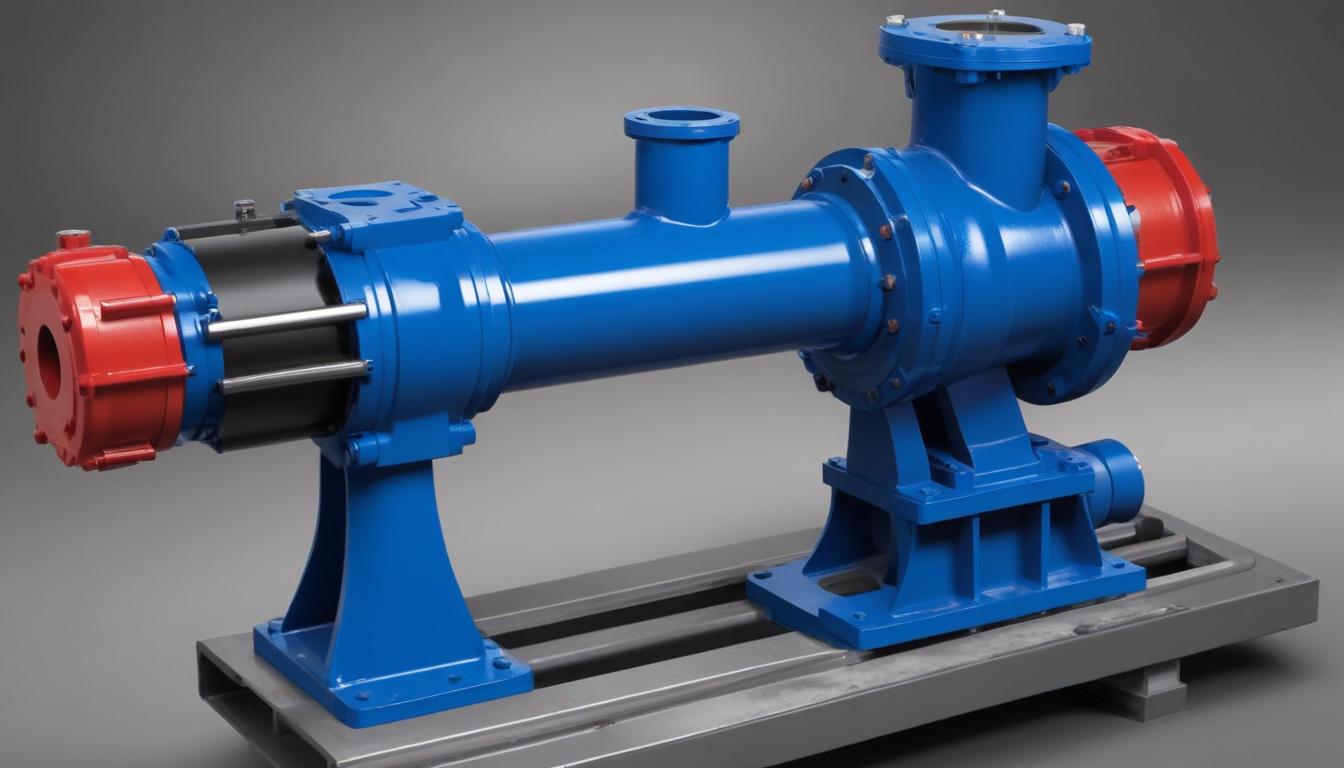
Understanding the torque needed for efficient progressive cavity pump operation
In the operation of progressive cavity pumps, understanding the requisite torque is fundamental for ensuring optimal performance and longevity. Torque, defined as a measure of rotational force, directly influences the pump’s ability to move fluids effectively through its system. For progressive cavity pumps, the torque requirements vary based on several operational parameters including fluid viscosity, flow rate, and the pump’s construction characteristics.
The torque needed for a progressive cavity pump is typically influenced by the characteristics of the fluids being handled. For instance, fluids with high viscosity require increased torque to facilitate movement. In contrast, low-viscosity fluids demand less torque, allowing for smoother transitions and potentially enhancing the overall efficiency of the pump operation.
To properly gauge the torque requirements, engineers utilize models that take into account the geometry of the pump and the nature of the fluid. Key factors include:
- Viscosity: As viscosity increases, so does the torque requirement.
- Flow Rate: Higher flow rates often necessitate greater torque to maintain performance.
- Pump Speed: The rotational speed can directly influence the torque needed for efficient operation.
- Wear and Tear: The condition of the pump and its components also affects the torque needs, where worn parts may require more torque due to increased friction.
By accurately calculating the torque requirements, users can enhance the efficiency of progressive cavity pumps significantly. This, in turn, contributes to minimizing energy consumption and operational costs while maximizing the reliability and output of the pumps in various applications.
Factors Influencing Torque in Pumps
Several factors play a critical role in determining the torque requirements for progressive cavity pumps, impacting their overall performance and efficiency during operation. Understanding these factors can help engineers and pump users optimize their systems effectively.
Viscosity is a primary factor that affects the torque requirements of a progressive cavity pump. High-viscosity fluids, such as sludges or viscous oils, require significantly more torque to initiate and maintain flow. In contrast, low-viscosity fluids, including water or light solvents, can be moved with much less torque, leading to lower energy consumption during operation.
Flow rate is another essential consideration. As the required flow rate increases, so does the torque needed to transport the fluid through the pump. Engineers must carefully match the pump’s capacity to anticipated flow rates to avoid operating at conditions that can diminish efficiency and increase wear.
The speed of the pump is also influential. Higher rotation speeds can lead to a corresponding increase in torque requirements due to changes in the characteristics of the fluid dynamics within the pump. However, this must be balanced against the potential for increased wear and potential overloading of the pump components.
Moreover, the condition and maintenance of the pump influence its torque needs considerably. Worn or damaged components can increase friction within the system, thereby raising the required torque for optimal operation. Regular inspection and maintenance are crucial for minimizing wear, ensuring the pump operates within its designed torque range.
To facilitate a comprehensive understanding, the following table summarizes the key factors influencing torque in progressive cavity pumps:
| Factor | Impact on Torque |
|---|---|
| Viscosity | Higher viscosity leads to increased torque requirements. |
| Flow Rate | Increased flow rate necessitates greater torque to maintain efficiency. |
| Pump Speed | Higher speeds generally require increased torque due to dynamic changes in fluid behavior. |
| Wear and Tear | Worn components increase friction, raising torque demands during operation. |
By acknowledging and analyzing these influences, engineers can develop better strategies to maintain optimal torque levels, ensuring efficient and reliable operation of progressive cavity pumps across various industrial applications.
Calculating Optimal Torque Values

Calculating optimal torque values for progressive cavity pumps involves a precise understanding of several interrelated factors that dictate the operational efficiency and performance. The formula for torque in the context of these pumps can be outlined as follows:
Torque (T) can be calculated using the formula:
T = (Q x H)/η
Where:
- T = Torque required (Nm)
- Q = Flow rate (m³/h)
- H = Head (m)
- η = Pump efficiency (decimal)
This equation provides a foundational approach for engineers aiming to determine the necessary torque for achieving specified flow rates and head requirements in the operation of progressive cavity pumps. However, it is crucial to account for varying parameters that can influence these calculations:
- Fluid Characteristics: The viscosity and density of the fluid will need to be integrated into calculations since denser or more viscous fluids will demand higher torque outputs. These characteristics can be defined using charts or tables based on empirical data.
- Operating Conditions: Torque calculations should also reflect operating conditions such as temperature, as this can affect viscosity, thereby impacting overall torque requirements.
- Component Specifications: Knowing the precise specifications of the pump, including rotor design and elastomer properties, allows for more accurate torque estimates, helping to avoid overloading and potential damage.
An engineer must not only perform the calculations but continuously evaluate the pump operation under actual working circumstances. Monitoring parameters such as energy consumption, efficiency, and wear can lead to ongoing adjustments in torque requirements throughout the lifecycle of progressive cavity pumps.
For a practical example of how to determine optimal torque, consider a progressive cavity pump moving a viscous slurry with a flow rate of 5 m³/h, a head of 20 m, and an efficiency of 0.75. By substituting these values into the formula:
T = (5 x 20) / 0.75 = 133.33 Nm
This calculation demonstrates that approximately 133.33 Nm of torque is necessary for the pump to perform efficiently under these specific conditions.
As a best practice, engineers should also account for safety factors when calculating torque, especially in scenarios with fluctuating fluid properties or sudden changes in operational conditions. Implementing these calculations and considerations leads to improved management of torque, enhancing the overall performance and reliability of progressive cavity pumps in diverse applications.
Impact of Torque on Pump Efficiency
The relationship between torque and pump efficiency is crucial for the optimal performance of progressive cavity pumps. When torque is effectively managed, it directly enhances the pump’s ability to transport fluids efficiently, minimizing energy losses and operational issues. An increase in the required torque typically leads to higher energy consumption, which can significantly affect the overall efficiency of the system.
Efficient operation of progressive cavity pumps is characterized by several key parameters that relate closely to torque:
- Energy Efficiency: Pumps operating at the correct torque levels tend to consume less energy, as they can move the intended volume of fluid without unnecessary strain. This is vital for reducing operational costs.
- Flow Stability: Adequate torque levels ensure a steady flow rate, preventing fluctuations that can lead to cavitation or pressure spikes, which ultimately compromises efficiency.
- Wear Minimization: Proper torque levels prevent excessive wear of the pump components, extending the lifespan of the equipment and maintaining consistent efficiency over time.
Several studies highlight the critical impact of torque requirements on pump operation. For instance, when operating at torque levels below the optimal requirement, progressive cavity pumps may exhibit:
- Insufficient Flow Rates: The pump may not be able to maintain the desired flow, resulting in decreased performance and reliability.
- Increased Vibration: Under-torqued pumps can generate excessive vibrations, leading to mechanical failures and damage.
- Overloading: Conversely, operating at torque levels too high can overload the pump, resulting in increased energy consumption and possible failure of pump components.
It is essential for engineers and pump users to continuously monitor the torque during operations. Utilizing technology such as torque sensors can aid in real-time assessments. Not only can these sensors help maintain efficient torque levels, but they also provide valuable data for predictive maintenance strategies. This proactive approach allows for adjustments before mechanical failures occur, thereby optimizing the operational efficiency of progressive cavity pumps.
Overall, the impact of torque on pump efficiency is substantial. Proper management can aid in reducing energy costs, extending equipment lifespan, and ensuring the reliability of progressive cavity pumps in various industrial applications. Adopting best practices in torque management is therefore a key consideration for engineers and pump operators aiming for optimal operational performance.
Maintenance Practices for Torque Management
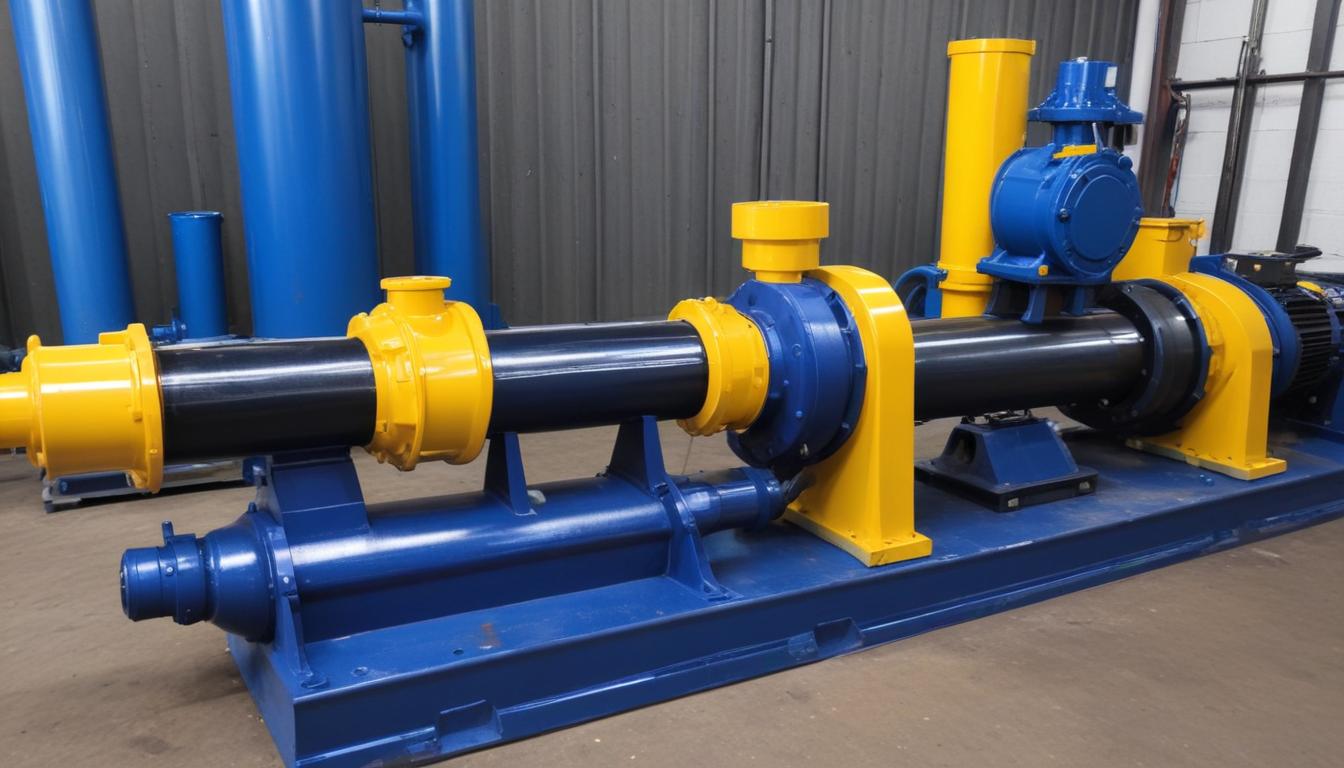
Regular maintenance practices play a vital role in managing torque requirements effectively for progressive cavity pumps. Ensuring optimal torque not only enhances pump performance but also contributes to the longevity and reliability of the system. Various maintenance strategies can be adopted to mitigate issues related to torque management, primarily focusing on the inspection, calibration, and timely replacement of key components.
Preventive Maintenance is essential for maintaining the integrity of progressive cavity pumps. This includes scheduled checks of pump components to identify wear or damage before they escalate into significant issues. Critical areas to focus on include:
- Rotor and Stator Inspection: Regularly assess the rotor and stator for signs of wear, as any degradation can increase friction, subsequently raising the torque requirements and leading to inefficient operations.
- Seal and Bearing Condition: Check seals and bearings for signs of wear or degradation. Impaired seals can lead to leaks, while damaged bearings may introduce additional friction into the system, both of which affect the required torque.
- Alignment Checks: Ensure proper alignment of the pump and its drive system. Misalignment can lead to increased load and torque demands on the pump, causing premature wear and system failure.
Torque Calibration is another critical aspect of maintenance. Regularly calibrating the pump’s torque settings helps maintain efficiency and prevents unnecessary strain on the system. This can be achieved through:
- Torque Monitoring Tools: Implement torque sensors to provide real-time data on the operational torque of pumps. This allows for timely adjustments to be made, ensuring that the pump operates within its optimal torque range.
- Flow Rate Adjustments: Regularly verify that the flow rates align with design specifications. Adjustments may be necessary to maintain proper torque levels based on varying operational conditions.
Replacement of Worn Components is crucial in torque management. Often, components might wear out unevenly, leading to increased friction and higher torque demands than necessary. Key components to monitor for replacement include:
- Rotors and Stators: Replace these components promptly when wear is detected, as their condition directly influences torque requirements.
- Pump Drive Components: Inspect and replace gears, couplings, and belts that may be contributing to torque fluctuations or excess load on the system.
Furthermore, it is advisable to develop a maintenance log that tracks all inspections, calibrations, and replacements. This record not only aids in identifying chronic issues but also assists in forecasting necessary maintenance actions based on historical data. By following structured maintenance practices, engineers can significantly minimize torque-related problems in progressive cavity pumps, thereby enhancing operational efficiency and system reliability.
