
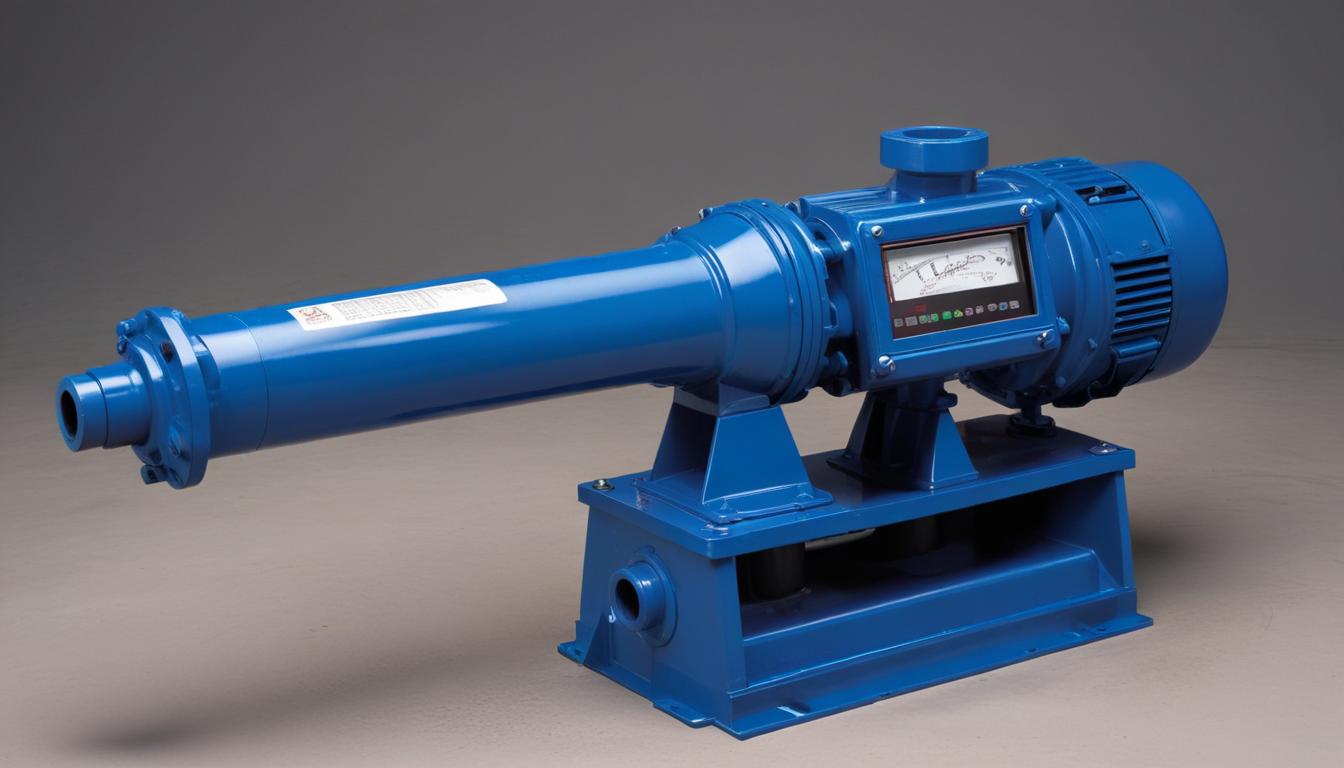
The importance of speed control in progressive cavity pumps
Speed control plays a crucial role in the efficiency of progressive cavity pumps, directly influencing their operational performance and energy consumption. By adjusting the pump’s speed, operators can optimize the flow rate and pressure output to meet specific system demands, enhancing the overall effectiveness of fluid transfer processes. This adjustment allows for precise control over the amount of fluid being pumped, thereby minimizing wastage and reducing wear on pump components.
In many cases, operating progressive cavity pumps at higher speeds can lead to cavitation and increased turbulence, which can adversely affect the lifespan of the pump and its efficiency. Conversely, implementing speed control enables a more tailored approach, where operators can reduce the speed during low demand periods, thereby conserving energy and extending equipment life.
The strategic implementation of speed control systems, such as variable frequency drives (VFDs), allows for significant enhancements in operational flexibility. This system not only improves performance but also contributes to reduced operating costs and energy savings. By leveraging these benefits, businesses can achieve significant gains in productivity while maintaining the reliability of their progressive cavity pumps.
Ultimately, understanding the importance of speed control in pump efficiency is essential for engineers and pump users alike. It facilitates improved process management, allowing for responsive adjustments that align with dynamic operational conditions.
Benefits of variable speed drives
Variable speed drives (VSDs) have become a vital component in the operation of progressive cavity pumps, offering numerous advantages that enhance pump performance and system efficiency. One of the primary benefits of VSDs is their ability to adjust the motor speed according to real-time requirements, allowing for a substantial reduction in energy consumption. By running the pump only as fast as necessary, facilities can achieve energy savings of up to 50% or more compared to traditional fixed-speed setups.
Another notable benefit is the improvement in process control. VSDs enable precise modulation of flow rates and pressure outputs. This fine-tuning capability contributes to:
- Enhanced fluid handling: Allows for smoother transitions and adjustments to flow, minimizing the risk of surges or drops in pressure.
- Reduced wear and tear: By operating at optimal speeds tailored to the specific application, the mechanical components of the pump experience less stress, prolonging their lifespan.
- Decrease in maintenance costs: Lower operational stresses on the pump lead to fewer breakdowns and maintenance interventions, reducing overall operational costs.
Moreover, VSDs facilitate better system integration. They can be easily synchronized with other components and control systems, allowing for a holistic approach to system management. By linking the pump’s operation with other factors like tank levels, flow rates, and pressure sensors, businesses can achieve an optimized and responsive pumping system.
In addition, using variable speed drives improves the adaptability of progressive cavity pumps across various operational scenarios. For instance:
- During low demand periods, operators can slow down the pump to match reduced flow requirements, resulting in energy savings.
- Conversely, in peak demand scenarios, they can ramp up the speed to maintain adequate service levels.
This adaptability is particularly beneficial in industries such as food and beverage, wastewater treatment, and chemical processing, where varying flow conditions are common. The seamless operation offered by VSDs not only contributes to economic savings but also improves process reliability, ensuring optimal performance for progressive cavity pumps. Overall, the implementation of variable speed drives represents a critical advancement in pump technology, underscoring their importance in modern engineering applications.
Impact on fluid dynamics and performance

The impact of speed control on fluid dynamics and performance in progressive cavity pumps is profound, affecting how these pumps interact with various fluids and operate within their designated systems. By fine-tuning the speed, operators can manipulate parameters such as flow rate, pressure, and turbulence, which are essential for achieving optimal pumping efficiency.
When the pump operates at lower speeds, it tends to create a smoother flow, reducing turbulence and allowing for better handling of viscous fluids. This characteristic is particularly vital in applications involving shear-sensitive materials, where maintaining the integrity of the fluid is crucial. Conversely, increasing the speed can enhance the pump’s ability to generate higher pressures and flow rates, making it suitable for applications requiring rapid fluid transfer.
Specifically, the relationship between speed control and fluid dynamics can be broken down into several key factors:
- Shear Rate: Lower speeds decrease the shear rate of the fluid, which is advantageous when dealing with sensitive materials. This prevents structural degradation while facilitating a controlled transfer.
- Turbulence: Adjusting speed helps maintain laminar flow, essential in applications such as food processing, where contaminant introduction must be minimized.
- Fill Time: The speed of the pump controls the time taken for chambers to fill, which can be optimized based on specific operational requirements, ensuring consistent output while maximizing efficiency.
The effective management of these dynamics through speed control systems profoundly influences the overall reliability and longevity of progressive cavity pumps. For instance, operating the pump at speeds aligned with real-time demands prevents mechanical stress and aids in minimizing energy wastage. With the introduction of advanced control systems, operators can seamlessly adjust to varying conditions encountered in different industrial processes.
In specialized sectors, such as pharmaceutical manufacturing and chemical processing, the ability to maintain stable flow rates while preventing cavitation is paramount. Understanding the implications of speed changes allows engineers to design systems that optimize the pumps’ performance, enhancing not only the importance of speed control but also the reliability of product quality and consistency.
Overall, the influence of speed control on fluid dynamics significantly alters the operational landscape of progressive cavity pumps, enabling customized solutions that enhance both productivity and process efficacy across diverse applications.
Applications in various industries
The application of progressive cavity pumps spans various industries, each benefiting uniquely from the capability to adjust speed control to enhance operational efficiency and performance. These pumps are particularly well-suited for applications involving viscous fluids, slurries, and sensitive materials due to their ability to maintain consistent flow rates under varying conditions.
In the food and beverage industry, progressive cavity pumps are instrumental in transferring viscous ingredients such as sauces, yogurt, and syrups. The smooth operation achieved through speed control minimizes shear stress on fragile ingredients, ensuring product quality is preserved. Additionally, operators can adjust speeds to align with specific production cycles, thus optimizing output without compromising hygiene or safety standards.
The wastewater treatment sector also employs these pumps for processes like sludge transfer and dewatering. By implementing speed control, facilities can effectively manage varying flow rates while reducing energy consumption during low-demand periods. This flexibility not only enhances the sustainability of operations but also extends pump lifespan by operating within optimal parameters.
In the chemical processing industry, the handling of corrosive and abrasive materials poses unique challenges. Progressive cavity pumps equipped with speed control systems allow for precise handling of these aggressive fluids, mitigating risks associated with cavitation and excessive wear. The ability to finely tune the pump’s speed contributes to improved mixing and dosing accuracy, which are critical for maintaining product consistency.
Furthermore, these pumps find applications in the pharmaceutical sector, where the importance of speed control is magnified. Precise flow regulations are necessary to ensure the integrity of sensitive compounds and formulations. Speed adjustments can prevent the introduction of shear-related damage to compounds while ensuring compliance with stringent health and safety regulations.
In oil and gas operations, progressive cavity pumps play a vital role in enhancing fluid extraction and transportation. With the ability to manipulate speed, operators can adapt to fluctuating production levels and varying fluid viscosities. This adaptability is essential for optimizing extraction processes while reducing operational costs associated with energy consumption.
The applications of progressive cavity pumps across different industries showcase their versatility and the critical nature of speed control. By leveraging these capabilities, businesses can enhance both performance and efficiency, making them a preferred choice for fluid handling tasks in diverse environments.
Best practices for implementing speed control

Implementing speed control in progressive cavity pumps requires careful consideration of several best practices that ensure optimal performance and reliability. These practices help maximize the advantages of speed control systems while minimizing potential pitfalls associated with their operation.
Firstly, selecting the appropriate variable speed drive (VSD) is crucial. Factors to consider include:
- Compatibility: Ensure that the VSD is compatible with the pump’s motor type and operational requirements to avoid issues with control and performance.
- Power Rating: Choose a VSD with a suitable power rating to handle the load without overloading or underpowering the pump.
- Control Features: Opt for drives that offer advanced control features, such as adaptive control algorithms that optimize speed adjustments based on real-time feedback.
Secondly, proper installation and configuration of speed control systems are fundamental. This includes:
- Positioning of Sensors: Install pressure and flow sensors in optimal locations to provide accurate feedback to the VSD, enabling precise speed adjustments.
- Parameter Settings: Calibrate the operational parameters of the pump and VSD according to the specific application, ensuring that the speed control functions effectively within the desired operational envelope.
- Network Integration: Ensure that the speed control system can interface with existing control networks to provide seamless operation and data sharing.
Training personnel on the operation of speed control systems is equally important. Operator understanding of how to adjust settings based on varying demands is necessary for:
- Real-time Adjustments: Allowing for quick responses to changes in production needs without sacrificing efficiency.
- Routine Maintenance: Recognizing early signs of maintenance needs to prevent unwanted downtime and ensure longevity of both the pump and the speed control system.
Moreover, conducting regular performance audits is vital to assess the effectiveness of speed control implementations. This includes:
- Monitoring Energy Consumption: Regularly check energy usage data to identify trends that indicate operational efficiency and potential areas for improvement.
- Performance Metrics: Analyze flow rates, pressure consistency, and any fluctuations that could indicate mechanical issues or inefficiencies.
- Update and Optimize: Use findings to recalibrate or update the control system, ensuring continued optimization of pump performance.
Lastly, adopting a proactive approach to technology upgrades ensures that the pump systems remain at the forefront of operational efficiency. Regularly evaluating advancements in VSD technologies can yield significant benefits, including improved performance capabilities and enhanced energy savings.
By following these best practices, operators can enhance the significance of speed control in progressive cavity pumps, ensuring effective fluid management while extending the lifespan and reliability of the equipment.
