
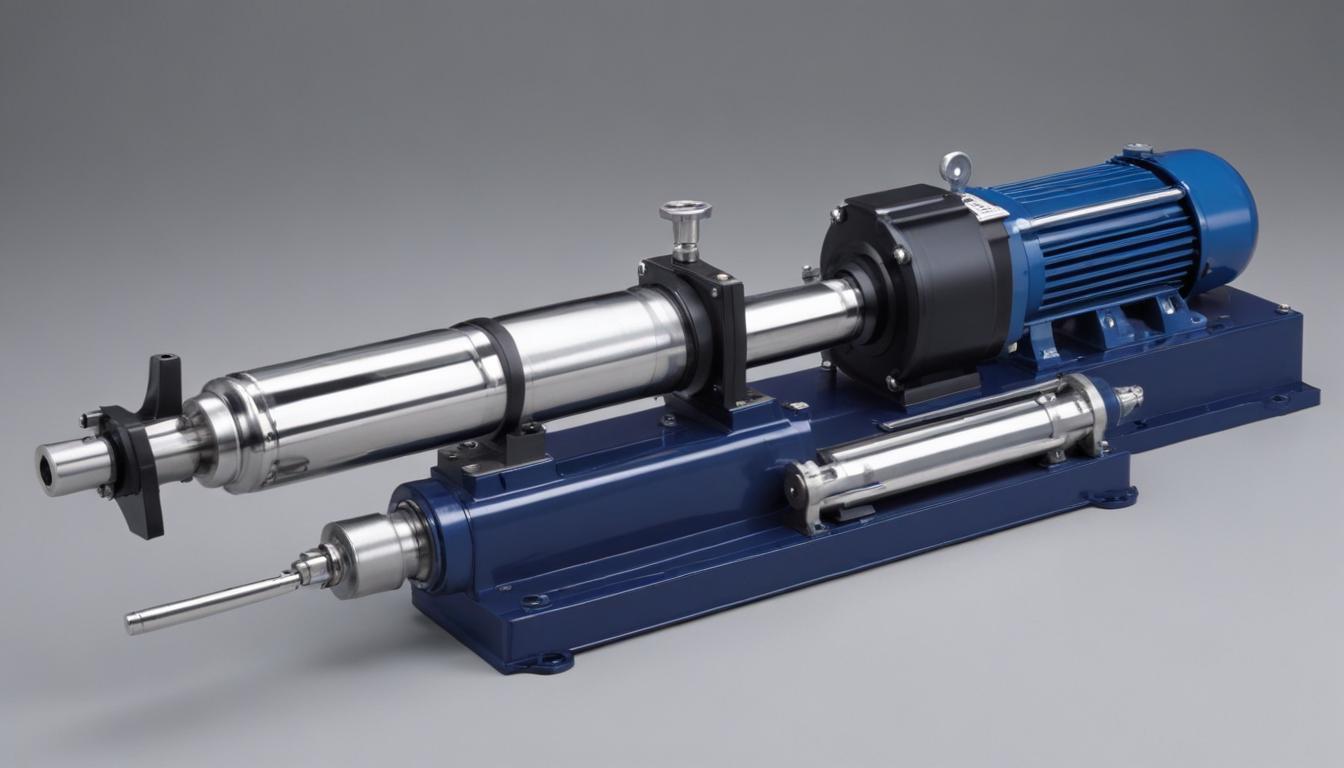
Progressive cavity pumps for pharmaceutical applications
Progressive cavity pumps are positive displacement pumps widely used in various industrial applications, particularly in the pharmaceutical sector. They are designed to handle a broad range of fluids, including those that are viscous, shear-sensitive, or contain solid particles. The pump operates using a helical rotor that rotates within a stator, creating a series of small, sealed chambers that allow for a continuous flow of fluid. This unique design not only facilitates the transportation of challenging materials but also ensures a smooth and steady flow rate, making them ideal for sensitive pharmaceutical applications.
One significant feature of progressive cavity pumps is their ability to maintain the integrity of the fluid being transported. The low shear environment created by the helical movement minimizes frothing and aeration, which is critical when pumping pharmaceutical substances that may be sensitive to such conditions. Additionally, these pumps can handle varying viscosities, which means they can accommodate a wide range of pharmaceutical formulations, from thin solutions to thicker creams and gels.
Progressive cavity pumps offer versatility in installation, as they can be configured in various ways, including horizontal and vertical orientations. This flexibility allows for seamless integration into existing systems, whether in manufacturing or laboratory settings. Furthermore, with the right materials of construction, they can withstand the corrosive nature of some pharmaceutical components, ensuring longevity and reliability in their operations.
Progressive cavity pumps represent a crucial component in the pharmaceutical industry, offering reliability, efficiency, and adaptability that meets the stringent requirements of this sector. Understanding their operational principles and benefits can significantly enhance the productivity and quality of pharmaceutical manufacturing processes.
Advantages in Pharmaceutical Applications
The use of progressive cavity pumps in pharmaceutical applications provides numerous advantages that contribute to the efficiency and effectiveness of manufacturing processes. One of the primary benefits is their capability to handle a diverse range of fluids, including those that are shear-sensitive or viscous. This versatility is particularly essential in pharmaceutical environments where product formulations can vary significantly. By maintaining a constant flow rate regardless of viscosity, progressive cavity pumps ensure accurate dosing and consistent quality of pharmaceuticals, which is critical in maintaining compliance with regulatory standards.
Furthermore, the gentle pumping action of these devices minimizes the risk of damaging sensitive ingredients, preserving the integrity of active pharmaceutical ingredients (APIs) and other complex mixtures. The low shear forces produced during operation also help prevent air entrapment, which can adversely affect the properties of certain formulations. This characteristic is especially vital when working with emulsions, suspensions, or other delicate formulations where stability is paramount.
Another significant advantage is the ease of maintenance associated with progressive cavity pumps. Their design allows for straightforward access to critical components, facilitating prompt inspections and repairs. This accessibility reduces downtime and enhances operational efficiency, crucial for maintaining production schedules in pharmaceutical manufacturing. Additionally, with proper selection of materials such as stainless steel or other corrosion-resistant alloys, these pumps can handle harsh cleaning agents used in pharmaceutical facilities, further ensuring hygiene and reliability.
Moreover, the adaptability in design allows for customization based on specific application requirements. Options for different rotor and stator configurations can be tailored to meet the precise needs of various pharmaceutical processes, accommodating everything from small-scale laboratory operations to large-scale production lines. This flexibility enables manufacturers to optimize their systems for both performance and cost-effectiveness.
The ability to operate continuously with minimal pulsation also reduces wear and tear on downstream equipment and ensures uniform delivery across processes. This trait is especially important in filling and packaging operations where precise volume control is necessary to avoid overfilling or underfilling. Such operational traits ultimately contribute to greater overall system efficiency and product quality.
The advantages offered by progressive cavity pumps in the pharmaceutical sector are multifaceted, ranging from their ability to handle complex formulations and minimize shear impact to their ease of maintenance and adaptability to varying operational needs. These features make them an essential choice for ensuring high standards of quality and efficiency in pharmaceutical manufacturing applications.
Design and Operational Principles

The operation of progressive cavity pumps is based on a unique design that allows for efficient and steady fluid transfer. At the heart of this design is the helical rotor, which rotates within a specially engineered stator. This configuration creates a series of discrete, sealed chambers that advance fluid in a continuous manner. As the rotor turns, it forms a void that captures fluid in each chamber, transporting it from the inlet to the outlet without pulsation. This design minimizes turbulence, making progressive cavity pumps especially suitable for transferring sensitive pharmaceutical applications where maintaining the integrity of the fluid is critical.
The operational principles of progressive cavity pumps can be encapsulated in the following key attributes:
- Positive Displacement Mechanism: These pumps function by displacing a fixed volume of fluid with each rotation of the rotor. This characteristic ensures that the flow rate remains constant, which is particularly beneficial in applications requiring precise dosing.
- Low Shear Conditions: The helical rotor design generates low shear forces, which is essential when pumping delicate formulations. This feature helps protect active ingredients from degradation, ensuring that the product maintains its desired properties.
- Viscosity Adaptability: Progressive cavity pumps can handle a broad viscosity range, making them ideal for various states of pharmaceutical products, including thick gels and viscous suspensions.
- Non-Pulsating Flow: The design inherently allows for a smooth flow of fluid, reducing the risk of cavitation and air entrapment that can occur in other pump types.
Moreover, the design flexibility of progressive cavity pumps permits customization based on specific operational needs. Variants in rotor and stator geometry can be chosen to optimize flow characteristics for particular applications. For instance, altering the geometry can enhance the pump’s ability to handle solids within fluids, an essential consideration when dealing with certain pharmaceutical formulations. This customization extends to the selection of materials used in manufacturing, where options like stainless steel and other corrosion-resistant materials offer compatibility with harsh cleaning agents and ensure hygiene compliance.
The integration of progressive cavity pumps into pharmaceutical processes often involves careful consideration of several operational factors, including:
- System Pressure and Flow Requirements: Determining the necessary pressure range and flow rate is crucial for matching pump specifications with system demands.
- Fluid Characteristics: Assessing properties such as viscosity, density, and temperature helps in selecting the most effective rotor and stator combination.
- Installation and Maintenance Considerations: Proper installation techniques, including alignment and securing of piping, are vital to prevent operational issues. Routine maintenance procedures should be established to ensure consistent performance.
Understanding these operational principles allows engineers and users in the pharmaceutical sector to make informed decisions when adopting progressive cavity pumps, maximizing their performance and reliability in various applications. As the demand for precision and efficiency continues to grow in pharmaceutical manufacturing, leveraging the advantages of progressive cavity pumps becomes increasingly vital.
Maintenance and Reliability Considerations
Ensuring the optimal performance of progressive cavity pumps in pharmaceutical applications necessitates careful attention to maintenance and reliability considerations. These pumps are essential for numerous processes, and maintaining their performance is crucial for the consistent quality of pharmaceutical products. A proactive approach to maintenance not only extends the life of the pump but also guarantees compliance with stringent industry standards.
One of the primary maintenance considerations is the regular inspection of the rotor and stator components. The wear on these elements can significantly impact the pump’s efficiency and reliability. Recommended practices include:
- Conducting visual inspections for signs of wear and corrosion at defined intervals.
- Measuring the clearances between the rotor and stator to ensure they remain within specified tolerances.
- Utilizing diagnostic tools, such as vibration analysis and thermal imaging, to detect early signs of mechanical issues.
Moreover, proper lubrication is vital to minimize friction and wear on moving parts. Operators should adhere to the manufacturer’s specifications regarding lubricants and the intervals at which lubrication should occur. Furthermore, ensuring that the pump operates within its designed pressure and temperature ranges is essential to prevent overheating and excessive wear.
Another critical aspect of maintenance is the management of the pump’s operating environment. Pharmaceutical facilities must adhere to stringent hygiene and cleanliness standards to prevent contamination. Implementing sanitation protocols for both the pumps and surrounding areas is necessary. Regular cleaning using compatible solvents helps maintain the integrity of the pump while also ensuring that no residues from previous batches can affect subsequent formulations.
Training personnel in proper operational techniques and routine maintenance tasks is essential to mitigate the risk of human error that can lead to pump malfunction. Establishing clear documentation and checklists can assist in standardizing maintenance practices and ensuring adherence to protocols. Also, it is advisable to keep a detailed maintenance log that includes all inspection results, repairs, and any replacement parts used, facilitating tracking of pump performance over time.
In addition to routine maintenance, the choice of materials used in the construction of progressive cavity pumps can influence their reliability in demanding pharmaceutical settings. Selecting corrosion-resistant materials such as stainless steel or specialized alloys can enhance operational longevity and withstand the harsh cleaning agents commonly used in these facilities. The integration of sensor technologies to monitor performance parameters can also provide real-time data to preemptively address potential issues before they escalate into failures.
Ensuring a robust maintenance program is critical to sustaining the reliability of progressive cavity pumps in pharmaceutical applications. By coupling this commitment to maintenance with a foundation of sound operational principles, manufacturers can achieve enhanced productivity, prolonged equipment lifespans, and continued compliance with industry regulations, ultimately driving efficiencies and sustainability in their pharmaceutical operations.
Case Studies and Real-World Applications

Case studies exemplifying the effectiveness of progressive cavity pumps in pharmaceutical applications reveal their integral role in enhancing operational performance and product quality across various processes. These real-world examples illustrate how these pumps meet specific industry needs, including handling complex formulations, maintaining precision during dosing, and adapting to stringent regulatory requirements.
One notable case involves a major pharmaceutical manufacturer that faced challenges with the transfer of a viscous gel used in a topical ointment. Traditional pump systems struggled with maintaining a consistent flow rate, leading to variations in product consistency and difficulties in filling operations. By implementing progressive cavity pumps, the manufacturer was able to achieve a steady flow, even with the high viscosity of the gel. The pump’s ability to maintain low shear forces preserved the integrity of the active ingredients, ensuring that the finished product met quality standards and regulatory compliance.
In another instance, a laboratory specializing in the formulation of parenteral solutions required precise dosing to ensure accurate drug delivery. Here, progressive cavity pumps were deployed to handle the transfer of sensitive biological materials and pharmaceutical compounds. The non-pulsating flow characteristic of these pumps not only minimized turbulence but also facilitated the accurate filling of syringes, which is critical for patient safety and dosing accuracy. The pumps’ performance contributed to decreases in product waste, resulting in cost savings and improved production efficiency.
Moreover, a company producing both liquid and semi-solid dosage forms benefitted from the flexibility of progressive cavity pumps to adapt to different viscosity profiles. The pumps were utilized in various stages of production, from ingredient transfer to final packaging. Their customizable design allowed for the selection of rotor and stator configurations tailored to each product line, significantly enhancing throughput while maintaining the required pumping conditions for both high-viscosity pastes and low-viscosity solutions.
These case studies highlight key advantages of progressive cavity pumps in pharmaceutical applications:
- Reliability: Multiple manufacturers reported reduced downtime attributed to the low-maintenance design and robust construction of progressive cavity pumps.
- Precision: Enhanced dosing accuracy directly impacted product quality, leading to increased compliance with stringent pharmaceutical regulations.
- Versatility: The ability to accommodate a range of fluid types enables manufacturers to streamline operations across various product lines, improving operational efficiency.
Furthermore, companies leveraging the monitoring capabilities of these pumps provided feedback on performance data, leading to proactive maintenance strategies that ensured uninterrupted production processes. The integration of sensors not only facilitated immediate adjustments during operation but also empowered organizations to create a data-driven maintenance culture that supports sustained performance and reliability.
These examples demonstrate that the implementation of progressive cavity pumps in pharmaceutical applications not only resolves material handling issues but also contributes to significant improvements in product quality, operational efficiency, and adherence to compliance standards. As the industry continues to evolve, leveraging advanced pumping technologies will remain a critical component of successful pharmaceutical manufacturing.
