
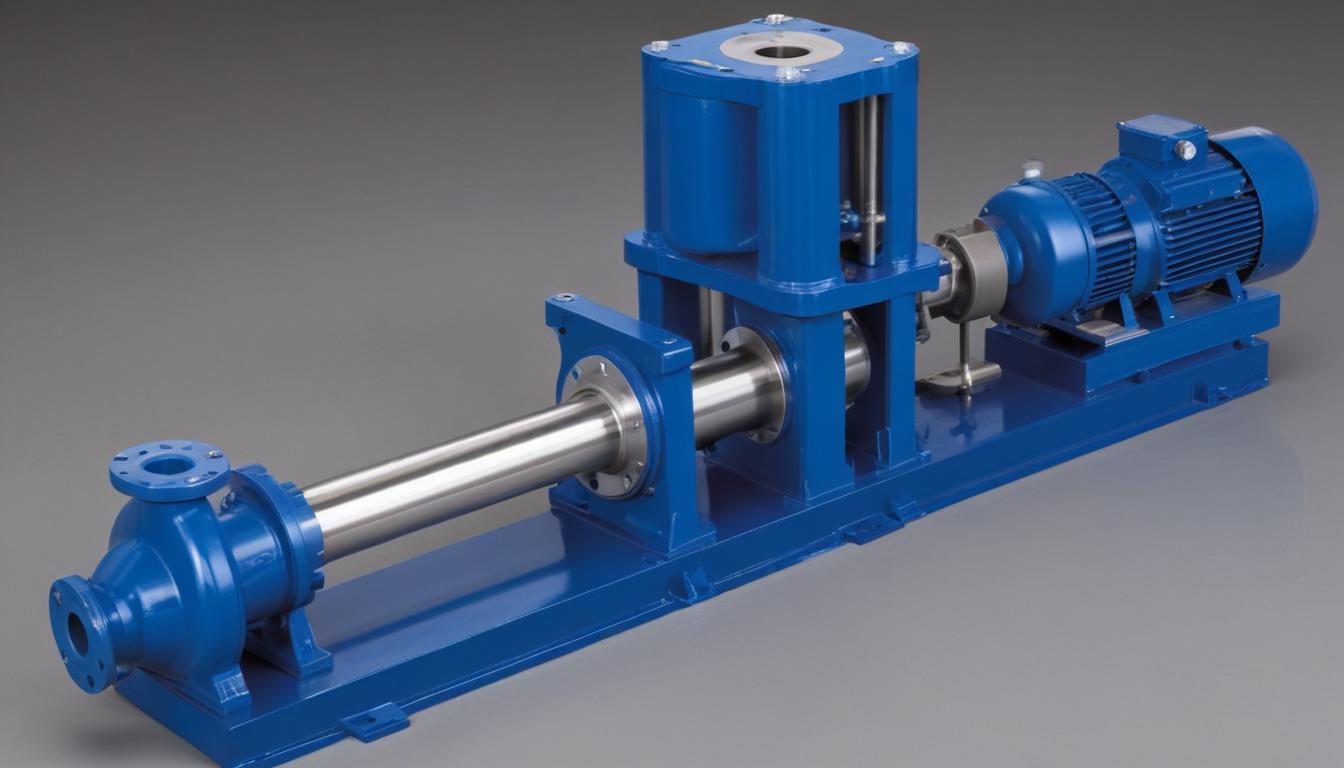
High viscosity fluid solutions with progressive cavity pumps
Progressive cavity pumps are specifically designed to excel in the handling of high viscosity fluids, making them indispensable in various industries. These pumps operate using a unique mechanism composed of a helical rotor and a stator, which work in unison to create cavities that transport fluids efficiently. This design allows them to perform exceptionally well with a broad range of fluid viscosities, providing reliable solutions for challenging pumping applications.
High viscosity fluids, such as slurries, gels, and pastes, often present difficulties for conventional pump types due to their thicker consistency. Progressive cavity pumps effectively manage these challenges through their ability to maintain consistent flow rates while minimizing shear forces on the fluid. The low pulsation output resulting from the rotary action of the pump ensures gentle handling, crucial for sensitive materials prone to damage or alteration.
In addition to their fluid handling capabilities, progressive cavity pumps offer significant advantages for high viscosity applications:
- Continuous flow: They provide a steady, uniform flow without interruption, essential for processes requiring precision.
- Ability to handle solids: Many models can handle slurries with solid particles, expanding their application range.
- Self-priming feature: These pumps can draw fluids from below their level, an essential characteristic when dealing with high viscosity liquids.
When selecting progressive cavity pumps for high viscosity applications, it is essential to assess the fluid characteristics, including viscosity, temperature, and the presence of solids. Proper sizing and material selection enhance the pump’s performance and lifespan, ensuring optimal operation in even the most demanding environments.
With their robust design and versatility, progressive cavity pumps are the preferred choice for industries that require efficient and reliable handling of high viscosity fluids, thus providing effective solutions for modern engineering challenges.
Types of progressive cavity pumps
Progressive cavity pumps come in various types, each tailored to meet specific operational needs and fluid characteristics. Understanding the different types of these pumps is crucial for engineers and pump users who seek effective solutions for handling high viscosity fluids.
Broadly categorized, the types of progressive cavity pumps include:
- Standard Progressive Cavity Pumps: These are the most common models, designed for general applications involving a range of viscosities, including high viscosity fluids. They typically feature a single helical rotor and stator, providing efficient flow control.
- Multi-Screw Progressive Cavity Pumps: Incorporating multiple screws, these pumps are adept at handling higher capacities and pressure levels. They are particularly effective in applications with extremely high viscosity fluids, ensuring a consistent flow rate despite changes in viscosity.
- Compact Progressive Cavity Pumps: Designed for limited spaces, these pumps retain the core functionality of standard models but in a more compact form factor. Their efficiency makes them suitable for high viscosity applications in small-scale environments.
- Heavy-Duty Progressive Cavity Pumps: Built for rugged conditions, these pumps are ideal for industrial settings with corrosive or abrasive materials. They often feature enhanced materials and construction to prolong lifespan and reliability while handling high viscosity fluids.
Each type presents unique advantages depending on the specific use case:
- Standard models are versatile and cost-effective for average viscosity scenarios.
- Multi-screw varieties excel in performance, especially in applications with demanding fluid characteristics.
- Compact options offer flexibility and are perfect for setups with space constraints.
- Heavy-duty selections provide durability and resistance to harsh environments, ensuring longevity in high viscosity handling.
When selecting the right type of progressive cavity pump, it is critical to consider factors such as flow rate, pressure requirements, and the specific properties of the fluid being pumped. Each application will have its unique demands, and understanding the nuances of various pump types will facilitate informed decision-making, ultimately leading to optimized pumping solutions for high viscosity situations.
Applications in industry
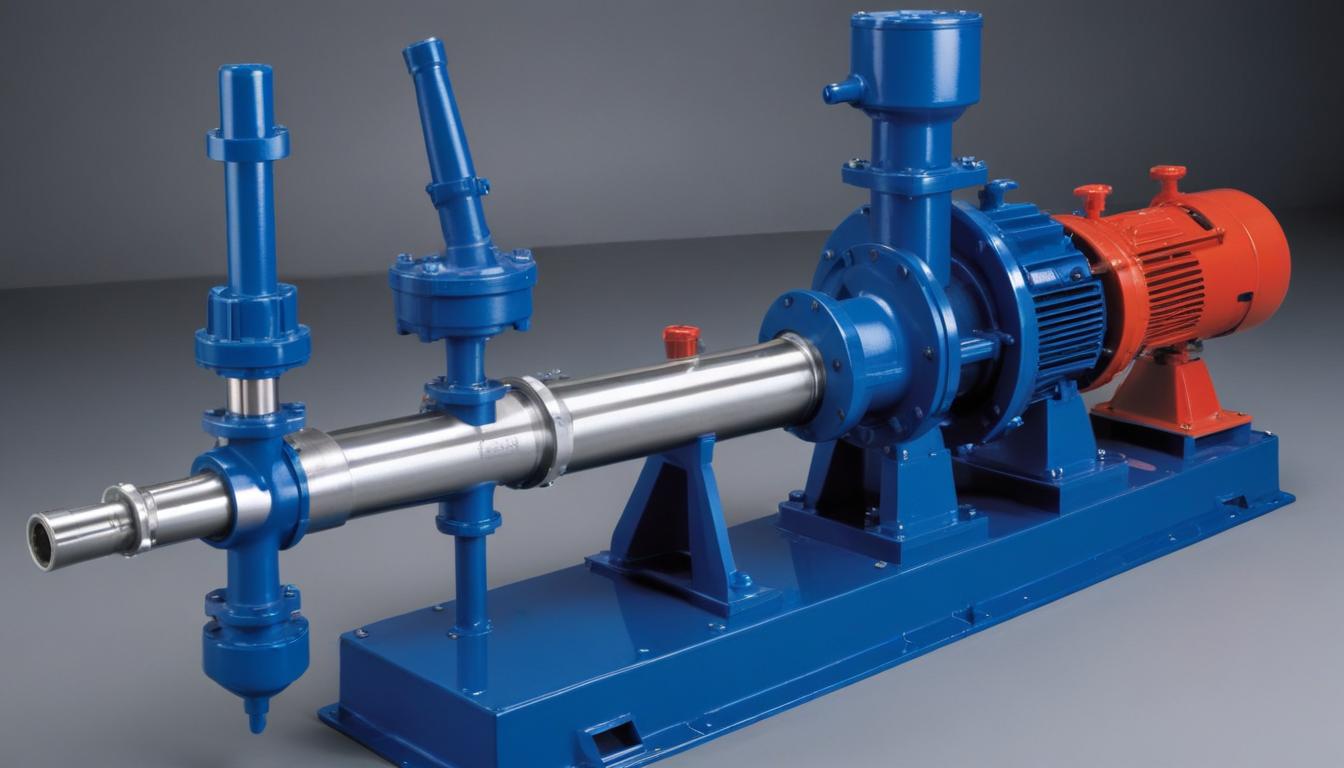
Progressive cavity pumps find extensive applications across various industries due to their exceptional capabilities in handling high viscosity fluids. Their ability to provide a consistent flow of challenging materials has established them as a preferred solution for operations that demand reliability and performance. Below are some key industries and specific applications where progressive cavity pumps are leveraged for optimal results:
- Oil and Gas: In this sector, progressive cavity pumps efficiently transport viscous fluids such as crude oil and heavy oils. Their robust design allows them to manage changes in fluid characteristics while maintaining a steady flow, essential for extraction and processing operations.
- Food and Beverage: These pumps are extensively used for transporting high viscosity foods such as pastes, sauces, and syrups. The gentle pumping action minimizes shear, preserving the integrity and quality of sensitive products.
- Pharmaceuticals: Progressive cavity pumps are critical in the pharmaceutical industry for handling high viscosity formulations, including ointments and creams. Their ability to meet stringent hygiene standards and provide hygienic fluid transfer makes them vital for production processes.
- Chemical Processing: In the chemical sector, these pumps manage viscous fluids, including adhesives, coatings, and emulsions. With their precise flow control, progressive cavity pumps enable manufacturers to maintain consistency in production while reducing waste.
- Waste Water Treatment: These pumps play a crucial role in transferring sludge and other high viscosity fluids produced during treatment processes. Their self-priming feature is particularly advantageous in lifting challenges commonly encountered in wastewater applications.
- Pulp and Paper: The pulp and paper industry relies on progressive cavity pumps to manage thick slurries and pulps. Their capability to handle solid-laden high viscosity materials ensures smooth operational processes and enhances system efficiency.
By providing effective solutions for the diverse requirements of these industries, progressive cavity pumps contribute significantly to enhancing productivity and operational efficiency. Their adaptability to different fluid properties, paired with the ability to mitigate operational challenges, solidifies their role as a critical component in the machinery of industries dealing with high viscosity fluids.
Challenges and solutions
When working with high viscosity fluids, several challenges can arise that impact the efficiency and reliability of pumping systems. Understanding these challenges and implementing effective solutions is vital for maximizing the performance of progressive cavity pumps. Common challenges include:
- Increased energy consumption: High viscosity fluids often require more energy to pump due to their thickness, leading to elevated operational costs.
- Wear and tear on pump components: The movement of viscous fluids can lead to accelerated wear and increased maintenance requirements, reducing the lifespan of the pump.
- Pulsation in flow: While progressive cavity pumps generally minimize pulsation, certain operating conditions can still lead to fluctuations that affect process stability.
- Clogging and blockages: The presence of solids in high viscosity fluids can cause clogging, leading to operational downtime and increased maintenance efforts.
To address these challenges, engineers and pump operators can implement several solutions:
- Optimizing pump design: Selecting progressive cavity pumps with robust construction materials and designs specifically tailored for high viscosity applications can significantly reduce wear and energy consumption.
- Regular maintenance: Establishing a proactive maintenance schedule helps detect early signs of wear and ensures that components remain in optimal condition, extending pump life.
- Pulsation dampeners: Incorporating pulsation dampeners can mitigate flow fluctuations in the system, leading to improved process stability and product consistency.
- Screening for solids: Utilizing strainers or filters before the pump can help prevent clogging by removing larger particles, ensuring uninterrupted flow of high viscosity fluids.
Additionally, employing performance optimization techniques, such as adjusting the pump speed and selecting the appropriate rotor and stator configurations, can enhance the handling of high viscosity fluids. By strategically addressing these challenges with targeted solutions, progressive cavity pumps can maintain superior performance and reliability, ultimately delivering effective solutions for a wide range of industrial applications requiring the management of high viscosity fluids.
Performance optimization techniques
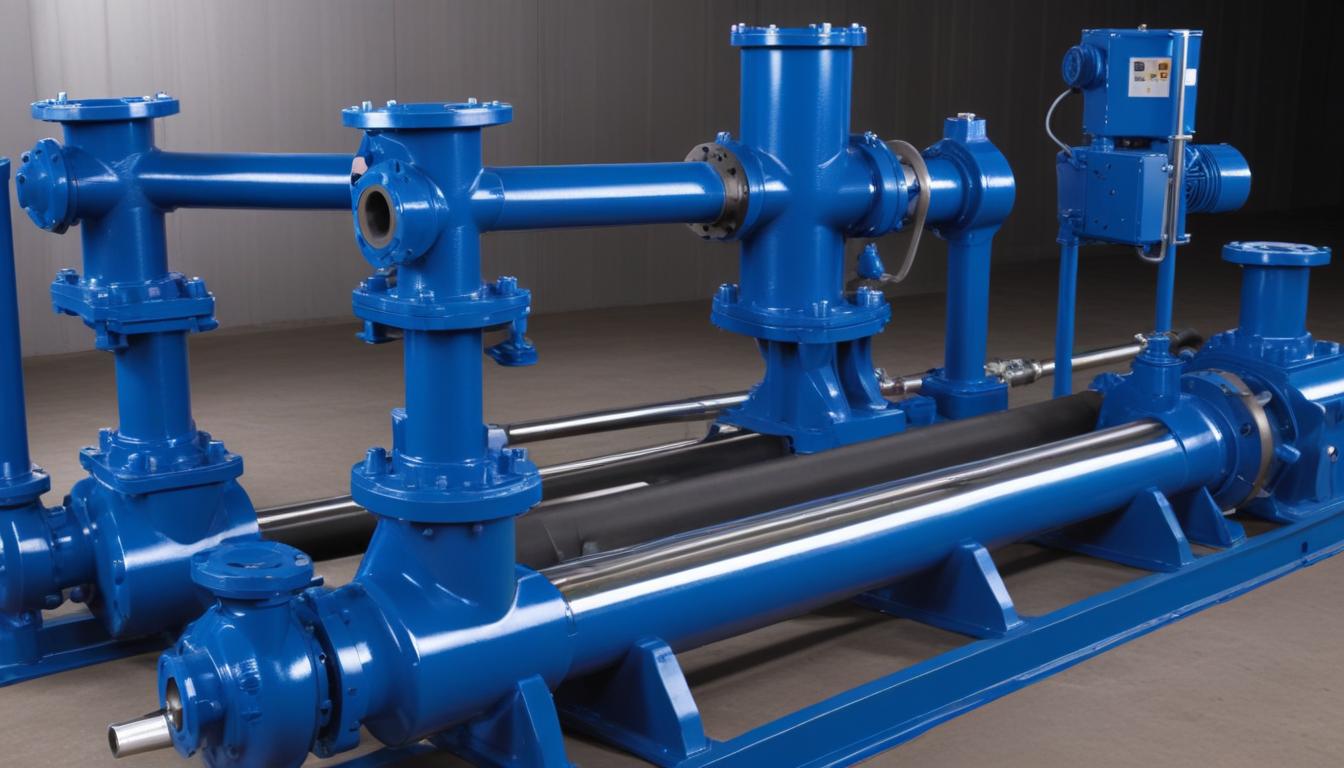
Optimizing the performance of progressive cavity pumps for high viscosity fluids involves several techniques aimed at enhancing efficiency, reliability, and overall effectiveness. These techniques encompass design adaptation, operational adjustments, and maintenance strategies that ensure the pump operates within its optimal parameters. Key performance optimization techniques include:
- Adjusting Pump Speed: Modulating the speed of the pump can significantly impact fluid handling capabilities. Slower speeds are generally more effective for very high viscosity fluids, as they reduce shear forces and ensure gentle handling, minimizing the risk of damaging sensitive materials.
- System Pressure Management: Monitoring and managing the discharge pressure is crucial. Maintaining an optimal pressure level can prevent undue stress on pump components while ensuring consistent performance. It is essential to avoid exceeding the manufacturer’s specified pressure limits to prevent mechanical failures.
- Rotor and Stator Configuration: Choosing the right rotor and stator configurations, including the pitch and geometry, can greatly influence the pump’s ability to handle specific viscosities. Customizing these components to suit the fluid being pumped can enhance flow rates and efficiency.
- Maintaining Optimal Temperature: Viscosity typically decreases with an increase in temperature. By implementing pre-heating or insulation techniques in conjunction with progressive cavity pumps, operators can reduce fluid viscosity, facilitating easier pumping and improved flow consistency.
- Regular Calibration and Monitoring: Utilizing advanced monitoring systems to track pump performance parameters, such as flow rate and pressure, allows for timely adjustments. Regular calibration ensures that the pump operates within desired specifications, immediately addressing any deviations that could impact performance.
- Fluid Properties Analysis: Conducting thorough analysis of the fluid characteristics, such as viscosity, density, and temperature changes, empowers engineers to fine-tune the pumping system. This insight enables the selection of the appropriate pump size, capacity, and configuration for optimal results.
Additionally, integrating technology like variable frequency drives (VFDs) offers enhanced control over pump speeds and allows for dynamic adjustments based on real-time fluid viscosity changes. This means that as conditions in the process change, the pump can adapt, maintaining an efficient operational state.
Ultimately, by implementing these performance optimization techniques, engineers and operators can enhance the operational capabilities of progressive cavity pumps in challenging high viscosity applications, ensuring they deliver consistent and reliable solutions while minimizing downtime and maintenance costs.
